Home · Products · Pneumatic Shaft/Air Shaft

China Expansion Shaft

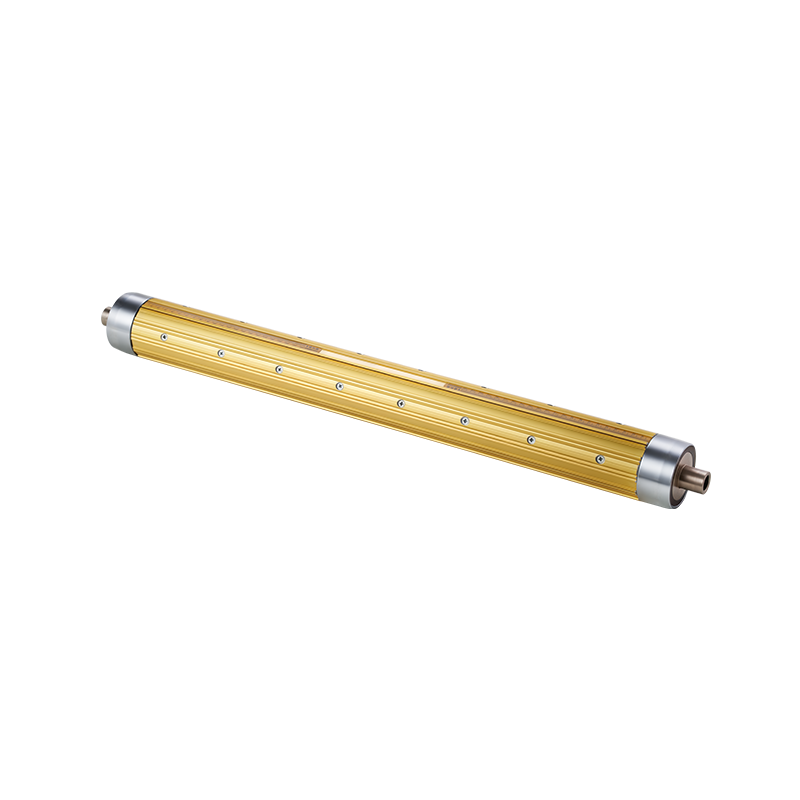
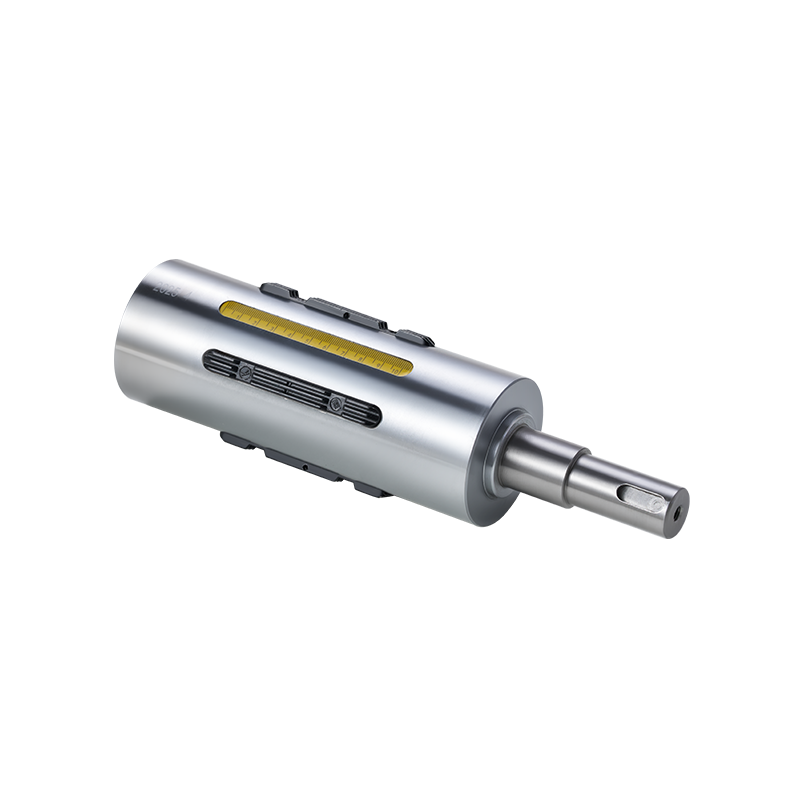
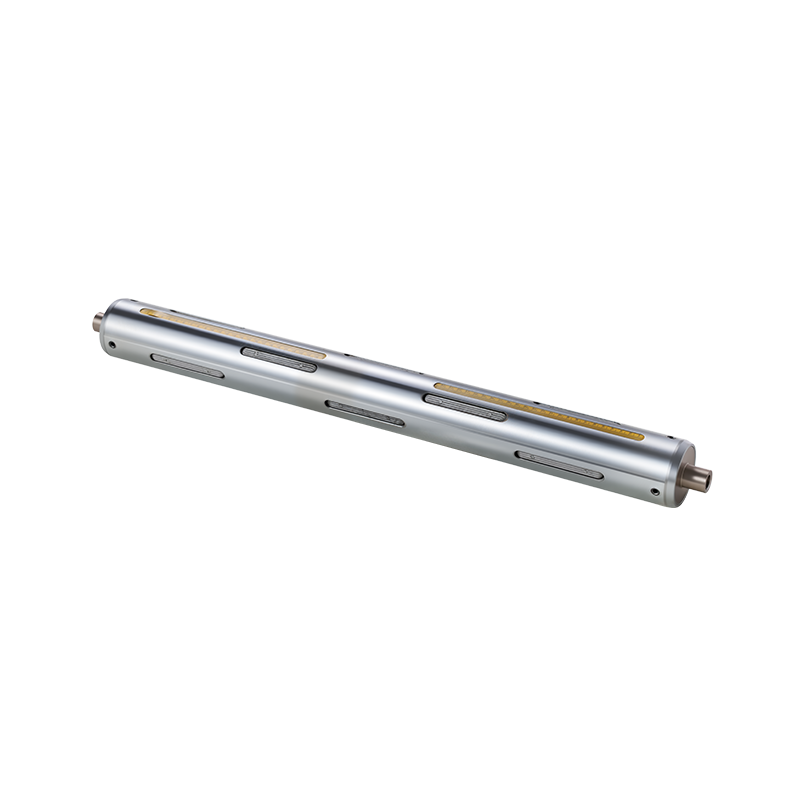
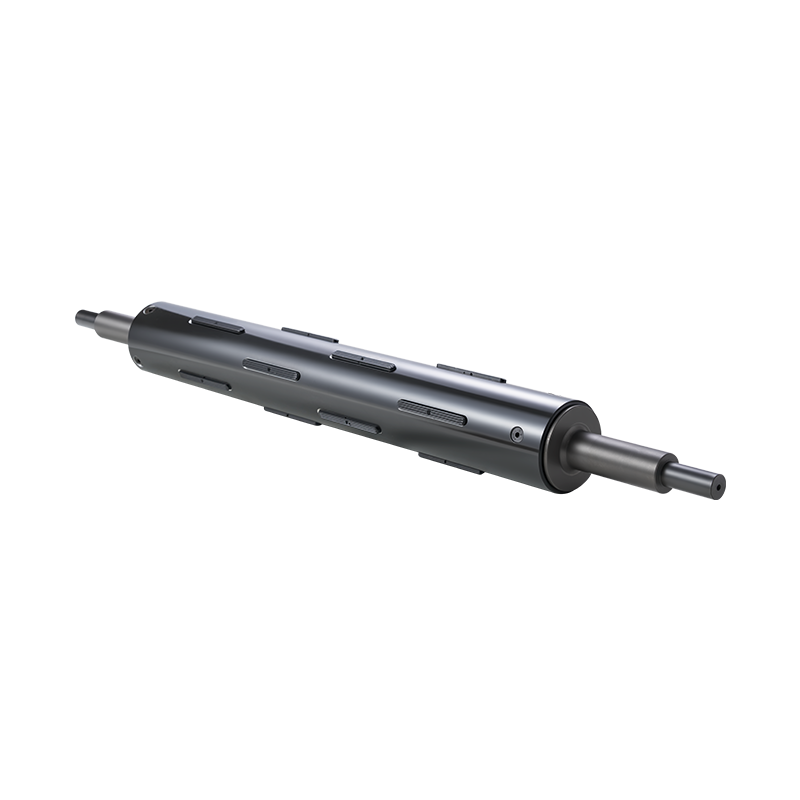
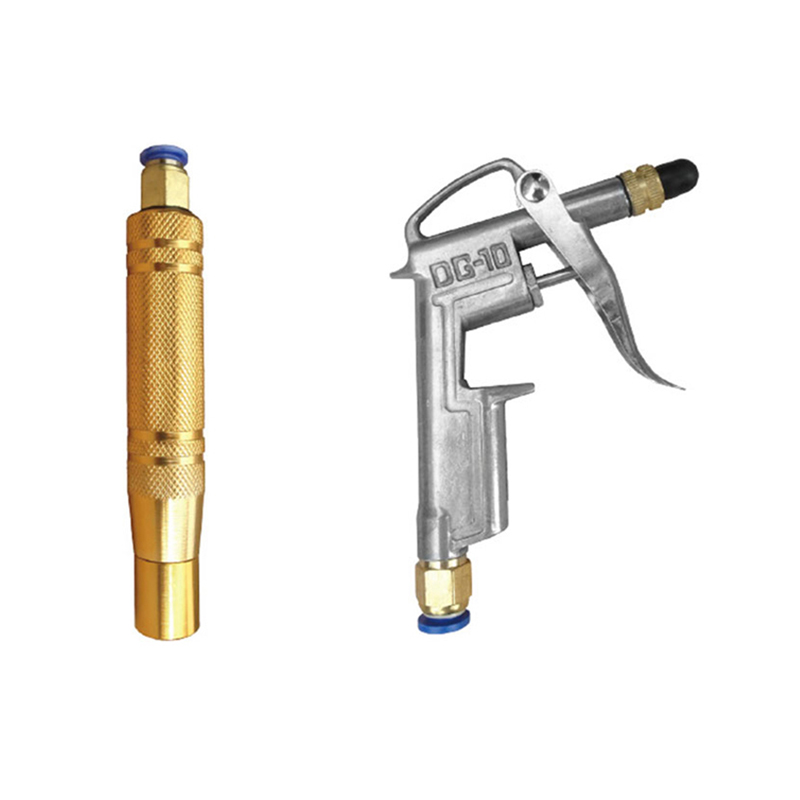
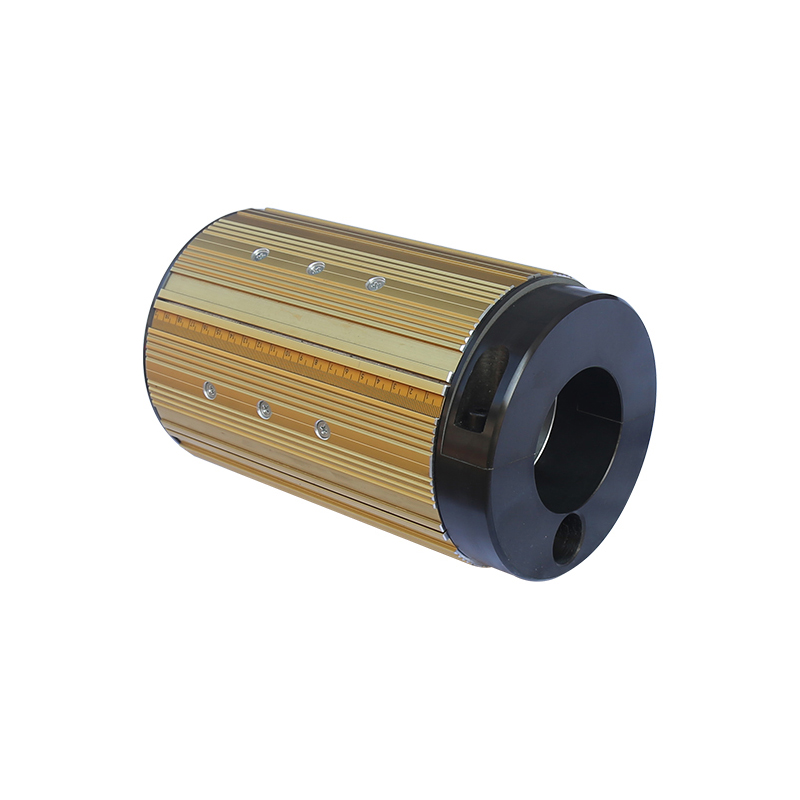
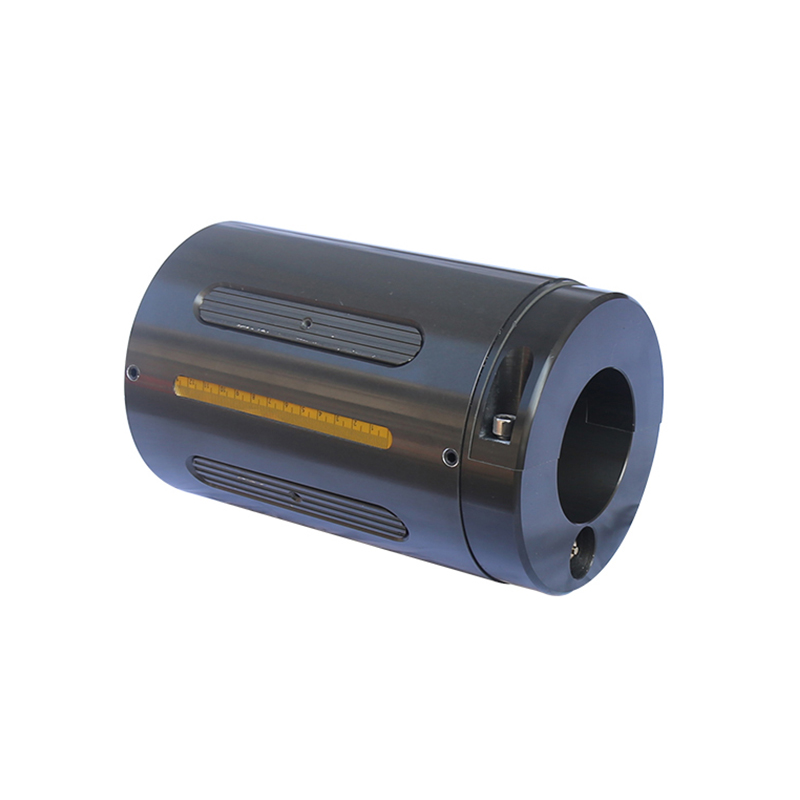
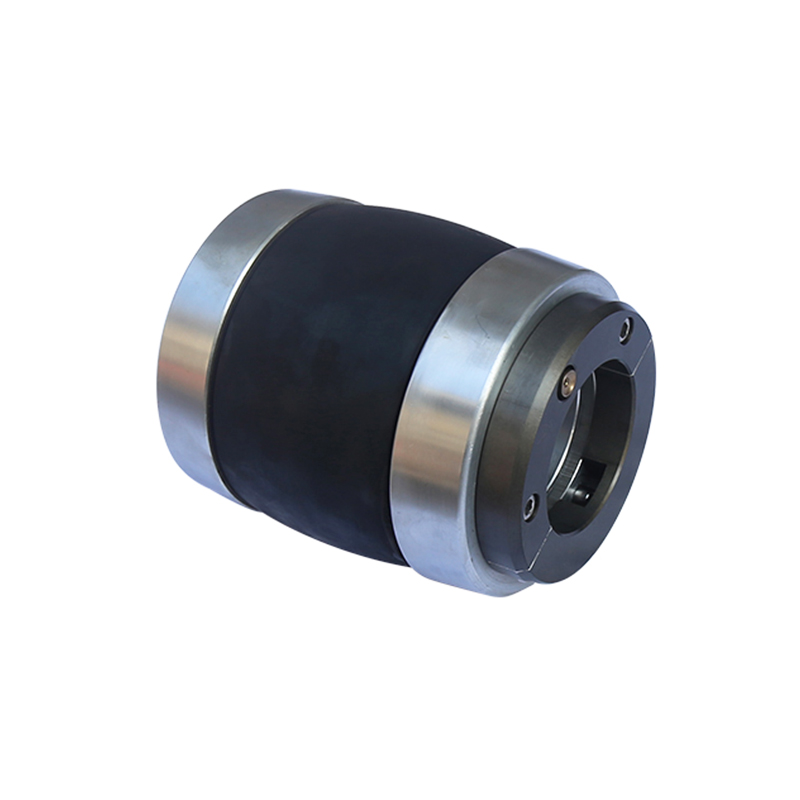
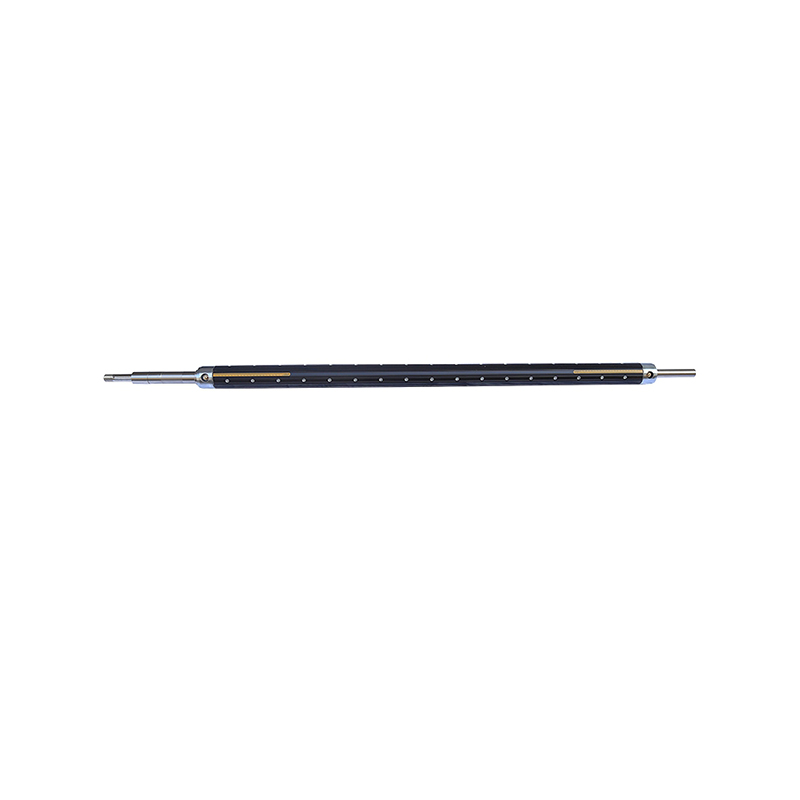
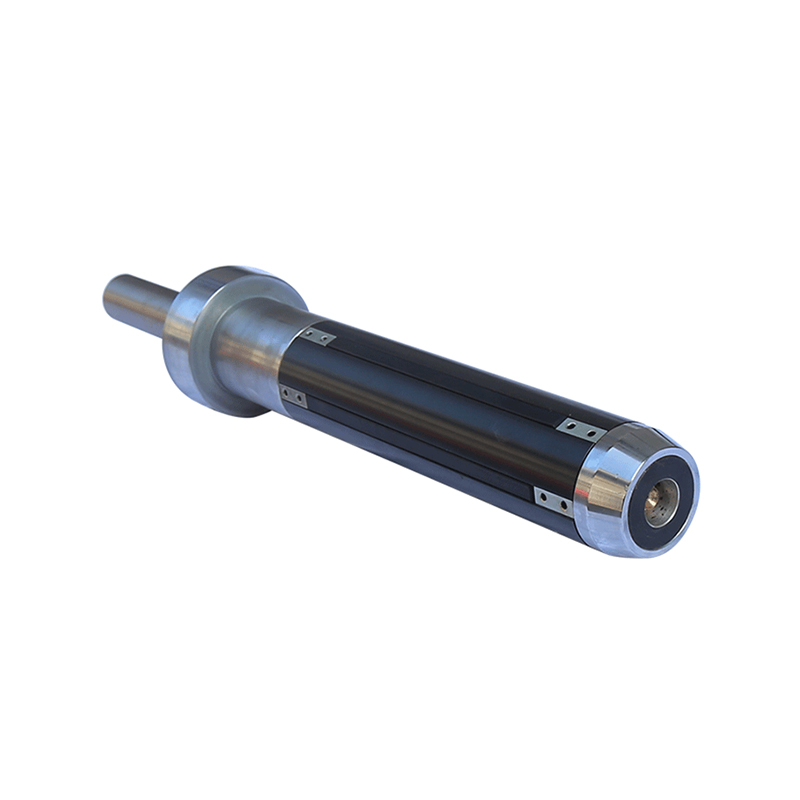
An air shaft is a highly efficient component specifically designed for winding and unwinding processes. It consists of an airbag, nozzle, key, shaft head, and shaft body. High-pressure inflation causes the shaft surface to expand, firmly holding the paper tube in place. Upon deflation, the surface rapidly retracts, allowing for easy unloading. Inflation and deflation take only seconds, ensuring safe and efficient operation, significantly improving production efficiency.

Product types include key, slat (tile), flange, and single-arm cantilever air shafts, widely applicable to printing, slitting, rewinding, coating, laminating, bag making, and papermaking equipment. Diameters range from 1 inch to 12 inches, and lengths up to 3000 mm can be customized. Made of high-quality steel and precision-machined, air shafts offer a high load capacity and strength, capable of handling rolls exceeding one ton.

Air shafts are rationally designed, durable, and reliable, with standardized component specifications for easy disassembly and maintenance. With its strong applicability, long service life and affordability, it has become an indispensable core component of various coil processing equipment, bringing customers an efficient and stable production experience.

About Us
Ruian Baixiao Machinery Co., Ltd.

In the field of color printing and packaging machinery,Ruian Baixiao Machinery Co., Ltd. has achieved rapid growth through continuous research and application of technology.,as a Custom Pneumatic Shaft/Air Shaft Manufacturer and Wholesale Pneumatic Shaft/Air Shaft Factory for over two decades, the company has been committed to technological improvement and scientific management, organizing production and sales with high standards, new technologies, and new equipment to enhance its ability to compete in the fiercely competitive market.

Our factory specializes in producing a wide range of supporting products for color printing, packaging, and various flexible packaging machinery, including aluminum guide rollers, air shafts, differential shafts, air sleeves, rubber rollers, drums, magnetic powder clutches, controllers, and other machinery. These products are sold nationwide. Our excellent quality and excellent after-sales service have earned us the trust and support of domestic and international customers. Our people-oriented company strives for survival through quality, development through innovation, and market success through integrity. We possess independent R&D capabilities, sophisticated processing equipment, and employ modern technology, along with scientific management, comprehensive testing methods, and a comprehensive quality assurance system. In 2010, Ruian Baixiao Machinery Co., Ltd. was awarded the title of "China Credit Enterprise Certification System Demonstration Unit" and "China Credit Enterprise Unit" by the China Internet News Center (sponsored by the China Internet Network Information Center, with guidance from the State Council Information Office's Network Publicity Bureau, the Ministry of Commerce's Market Operation Department, and the National Development and Reform Commission's International Cooperation Center).

Our factory adheres to the business philosophy of "technology-driven, pioneering, and reputation-based," striving to provide comprehensive and detailed technical services. We sincerely welcome new and existing customers, both domestic and international, to work together to achieve mutual success.

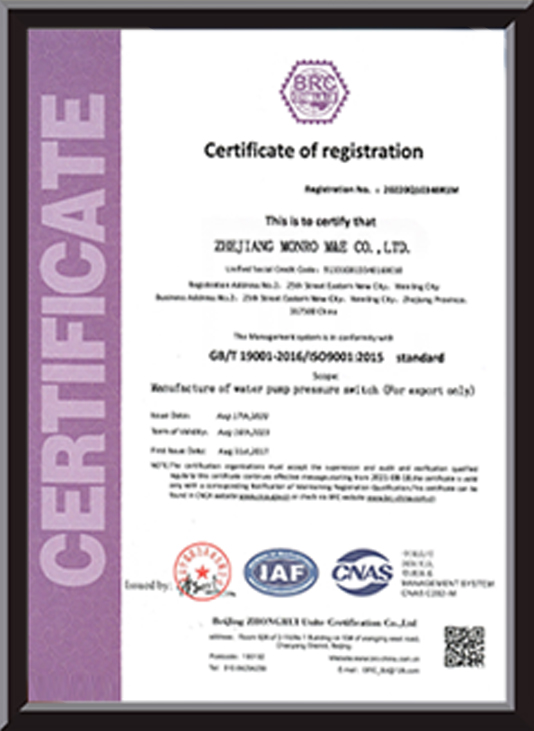
Certificate Of Honor
  • Demonstration Unit of China Credit Enterprise Certification System
  • Certification
  • Certification
  • Certification
News
Message Feedback
Pneumatic Shaft/Air Shaft Industry knowledge

How Can Manufacturers Choose the Right Expansion Shaft Based on Core Diameter?

Selecting the correct expansion shaft for a production line is critical for operational efficiency and product quality. Manufacturers need to consider multiple factors:

  1. Core Compatibility: The expansion shaft must match the inner diameter of the core or tube to ensure a secure fit. Mismatched diameters can cause slippage or misalignment.
  2. Load Capacity: Determine the weight of the roll or material. Heavier rolls require stronger shafts capable of handling higher torque without bending or failing.
  3. Roll Width and Length: The shaft length must accommodate the full width of the material being processed, with allowances for end supports and adapters.
  4. Material Selection: Depending on the application, expansion shafts can be made of steel, aluminum, or carbon fiber. Material choice affects weight, rigidity, and corrosion resistance.
  5. Operating Speed: High-speed production lines require precision balancing to reduce vibration and maintain consistent tension.

By carefully matching the expansion shaft to the core diameter and operational requirements, manufacturers can prevent production downtime and maintain consistent material handling.

What Are the Differences Between Air Shafts and Mechanical Expansion Shafts?

Air shafts and mechanical expansion shafts serve the same fundamental purpose of gripping a roll core, but their mechanisms and applications differ:

  • Actuation Method: Air shafts use pneumatic pressure to expand internal elements that grip the core, while mechanical expansion shafts rely on manual or motor-driven mechanical expansion.
  • Speed and Convenience: Air shafts allow quick inflation and deflation, enabling faster roll changes compared to mechanical types, which may require tools or time-consuming adjustments.
  • Pressure Control: Air shafts offer adjustable pressure, which can be optimized for different core materials and roll weights, ensuring a safer grip without damaging the core.
  • Maintenance Requirements: Mechanical expansion shafts typically require less maintenance than air shafts because they lack pneumatic seals and hoses, but they can be slower in high-volume operations.
  • Application Suitability: Air shafts are ideal for high-speed or high-volume operations where roll changes must be frequent and efficient, whereas mechanical shafts are preferred in low-speed, heavy-load, or high-temperature applications.

Understanding these differences allows manufacturers to select the appropriate shaft type for their production line requirements.

How Safe Is an External Element Air Shaft, and What Happens if the Air Supply Fails?

External element air shafts are widely used because they provide reliable gripping via individual segments that expand outward. Safety considerations include:

  1. Fail-Safe Design: High-quality external element air shafts often incorporate spring-loaded segments or locking mechanisms that maintain grip even if air pressure is lost temporarily.
  2. Air Supply Monitoring: Continuous monitoring of pneumatic pressure is critical. Sudden pressure drops can reduce holding force, so many systems include alarms or automatic shut-offs.
  3. Material and Construction: Durable construction materials and precision-machined segments prevent deformation under high torque, reducing the risk of slippage.
  4. Load Limits: Operators must adhere to recommended roll weight limits to ensure the shaft can maintain grip in all conditions.
  5. Maintenance Practices: Regular inspection of seals, hoses, and expansion elements ensures consistent performance and prevents unexpected failures.

By implementing proper maintenance and monitoring procedures, manufacturers can safely operate external element air shafts, even in demanding high-speed or heavy-load environments.

How Can Proper Shaft Selection Improve Manufacturing Efficiency?

Integrating the right expansion shaft or air shaft provides several operational advantages:

  • Reduced Downtime: Quick roll changes with air shafts improve line efficiency in high-volume operations.
  • Consistent Product Quality: Correct shaft selection ensures uniform tension and alignment, reducing defects.
  • Extended Equipment Life: Properly matched shafts reduce stress on machinery and cores, lowering maintenance costs.
  • Operational Safety: Reliable gripping prevents rolls from slipping or falling, protecting operators and equipment.
  • Energy Efficiency: Lightweight and well-balanced shafts reduce rotational inertia, decreasing motor energy requirements.