
 Español
 Deutsch

Heat Treatment Techniques Enhancing Steel Roller Durability
Steel Roller Heat Treatment
Heat treatment processes, including annealing, quenching, and carburizing, are applied during or after roller manufacturing to enhance these properties. A Steel Roller Factory carefully selects the appropriate heat treatment for each roller type to ensure it can withstand high loads, repeated stress, and abrasive materials during operation. Properly treated steel rollers deliver longer life, improved efficiency, and reduced maintenance costs.
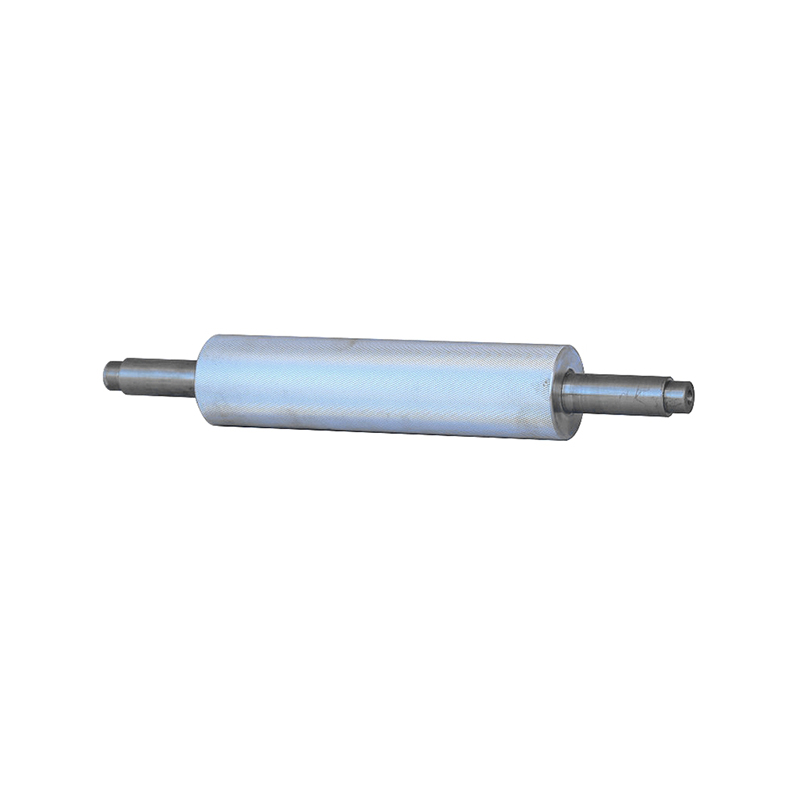
Annealing: Improving Toughness and Machinability
Annealing is a heat treatment process that involves heating steel rollers to a specific temperature and then slowly cooling them. This process reduces internal stresses created during forging or machining, which helps prevent warping or cracking during operation. Annealing also refines the steel’s microstructure, increasing toughness and making the roller easier to machine to precise dimensions. In addition, annealed rollers exhibit improved ductility, which allows them to absorb shocks or impact loads without fracturing. For applications where moderate hardness and high toughness are required, annealing provides a balanced combination of mechanical properties that enhance roller reliability.
Quenching: Enhancing Hardness and Wear Resistance
Quenching involves heating the steel roller to a high temperature and then rapidly cooling it, typically in water, oil, or air. This process transforms the steel’s microstructure into martensite, which significantly increases surface hardness. Harder rollers are more resistant to abrasion and surface deformation, which is especially important when rollers come into contact with rough materials or operate under high loads. Quenched steel rollers also maintain consistent dimensions under repetitive stress, reducing the risk of wear-induced misalignment in conveyor systems or printing presses. A Steel Roller Factory often combines quenching with subsequent tempering to balance hardness and reduce brittleness, ensuring the roller can endure heavy-duty industrial use.
Carburizing: Surface Hardening for Longevity
Carburizing, also known as case hardening, is a process in which the surface of the steel roller is enriched with carbon at high temperature, followed by quenching. This creates a hard, wear-resistant outer layer while preserving a tough, ductile core. The hard surface resists scratches, wear, and deformation from continuous contact with materials, while the softer core absorbs impact and prevents cracking. Carburized rollers are particularly suitable for high-speed or heavy-load applications, such as printing, paper processing, and metal sheet handling. By optimizing surface hardness without compromising core strength, carburizing extends roller service life and reduces downtime caused by maintenance or replacement.
Benefits of Heat Treatment in Industrial Rollers
Heat treatment provides steel rollers with enhanced mechanical performance, ensuring durability, stability, and efficiency in industrial applications. Treated rollers exhibit higher wear resistance, better load-bearing capacity, and improved resistance to fatigue and surface damage. These improvements reduce operational disruptions, increase production consistency, and lower long-term costs for maintenance and replacement. Additionally, heat-treated rollers can be tailored to specific operational environments, allowing factories to produce customized solutions for varied industrial needs.
Heat treatment processes such as annealing, quenching, and carburizing are critical in enhancing the durability and performance of steel rollers. A Steel Roller Factory strategically applies these techniques to improve hardness, toughness, wear resistance, and overall service life. By combining precise heat treatment with quality materials and manufacturing standards, factories ensure that steel rollers can endure high operational stresses, maintain dimensional stability, and provide reliable performance across demanding industrial applications. Properly heat-treated rollers not only extend operational life but also contribute to overall efficiency and cost savings in industrial processes.

We specialize in manufacturing aluminum guide rolls, air shafts, steel rolls, rubber rolls, curved rolls, slip shafts, magnetic powder brakes, and other mechanical supporting products.
©2025 Ruian Baixiao Machinery Co., Ltd.

Aluminum Guide Rollers Manufacturer