
 Español
 Deutsch

What Benefits Does Hard Anodized Aluminum Guide Roller Bring
Guide rollers remain in contact with moving materials for long periods, so surface condition can influence how smoothly a conveying process runs. Aluminum is often selected for roller construction because it combines a relatively light structure with useful mechanical properties. Surface treatment adds another consideration, especially where repeated contact may gradually change an untreated surface.
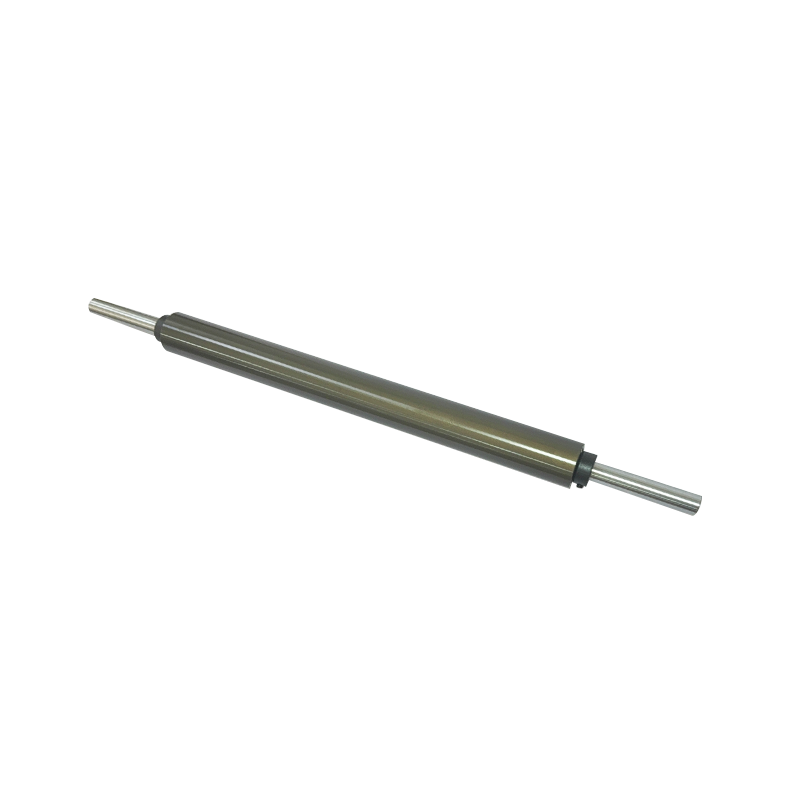
A Hard Anodized Aluminum Roller has an aluminum body with a treated outer layer. Rather than changing the entire roller into a different material, anodizing modifies the surface condition of the aluminum. Such treatment can influence resistance to everyday contact, surface wear, and handling during service.
Material moving across a roller may include film, sheet material, paper‑like products, or other flexible goods. Each application creates a different contact pattern. Continuous contact along one area can gradually mark a surface, while intermittent movement may produce a different form of wear.
Surface treatment therefore needs to match the working environment. A roller used for light material guidance does not face the same conditions as one exposed to repeated friction or frequent cleaning.
Several factors are worth considering together:
- Material being conveyed
- Contact pattern
- Roller surface condition
- Cleaning requirements
- Installation environment
- Expected maintenance routine
A treated surface is not an isolated feature. Roller dimensions, shaft arrangement, alignment, and the material being guided all influence how the component performs inside a larger system.
How Does Hard Anodizing Change an Aluminum Roller Surface
Hard anodizing creates a treated layer on an aluminum surface through a controlled electrochemical process. The resulting layer becomes part of the surface structure rather than acting like a simple paint coating that sits separately on top.
Such a change can make the outer surface harder and more resistant to certain forms of contact wear. Under repeated movement, a treated aluminum surface may retain its condition differently from untreated aluminum.
Surface preparation plays an important role before treatment. Oil, dirt, scratches, and other surface conditions can influence how evenly the treatment develops. For roller production, preparation therefore forms part of the final surface quality.
Treatment uniformity also matters. A roller surface needs to remain consistent around its circumference so that material contact does not vary unnecessarily as the roller turns.
The treated layer should still be viewed as part of the roller rather than as a replacement for sound mechanical design. An uneven roller, incorrect alignment, or unsuitable shaft arrangement cannot be corrected through surface treatment alone.
A useful way to view the structure is:
Aluminum Body → Prepared Surface → Anodized Layer → Material Contact
Each stage contributes to the final condition. Good surface treatment begins with suitable aluminum preparation and continues through careful processing and inspection.
What Benefits Can a Hard Anodized Aluminum Roller Provide
One practical reason for using a treated aluminum roller is the need to maintain a stable surface under repeated contact. Moving materials can rub against the roller during production, and gradual surface wear may affect the condition of both the roller and the conveyed material.
A hard anodized surface can provide greater resistance to ordinary surface wear than untreated aluminum under suitable working conditions. Such resistance may help reduce visible scratching and surface deterioration caused by repeated contact.
Another consideration is surface stability during routine handling. Aluminum can be relatively easy to mark during transportation, installation, and cleaning. A treated surface provides an additional layer of protection against some forms of everyday contact.
Possible benefits include:
- Improved resistance to surface wear
- Reduced tendency toward ordinary surface marking
- More stable surface condition during repeated contact
- Easier control of surface appearance
- Additional protection for the aluminum underneath
Actual results depend on the material being conveyed and the working environment. Abrasive contamination, improper alignment, or excessive contact pressure can still damage a roller surface.
For that reason, treatment should be selected according to the application rather than viewed as a universal solution. Surface durability has value when it addresses a real operating condition.
How Does Surface Hardness Affect Material Contact
Roller surfaces come into direct contact with moving materials, so hardness can influence how the surface responds to friction and repeated movement.
Soft or untreated aluminum can be marked by contact with harder objects, tools, or contaminated material. Small scratches may become noticeable over time, especially where the same section of the roller receives repeated contact.
A harder treated surface can reduce susceptibility to some forms of surface damage. Maintaining a consistent surface can also matter when handling flexible materials that may show marks from irregular contact.
Contact conditions should still be considered carefully. A material may slide across the roller, move intermittently, or remain under tension while passing through the system. Each situation creates different forces at the contact area.
For example, a roller guiding a delicate sheet may require attention to surface smoothness, while a roller used for heavier industrial material may place greater emphasis on wear resistance.
| Contact Condition | Surface Consideration |
|---|---|
| Smooth Flexible Material | Consistent surface condition |
| Repeated Sliding Contact | Resistance to surface wear |
| Frequent Cleaning | Surface durability |
| Dust or Residue | Ease of inspection |
| Intermittent Material Contact | Stable surface condition |
Surface hardness should therefore be considered alongside smoothness and application requirements. A hard surface alone does not guarantee suitable material handling.
Can Hard Anodizing Affect Roller Maintenance
Maintenance becomes easier to manage when roller surfaces remain in a predictable condition. Dust, residue, adhesive traces, and material fragments can collect on rollers during production, especially where cleaning is performed regularly.
A hard anodized surface can provide resistance to some forms of everyday surface wear, which may help maintain the physical condition of the roller during routine use. Cleaning still needs to follow the requirements of the treated surface and the material being removed.
Inspection can focus on visible changes such as:
- Scratches
- Surface discoloration
- Deposits
- Uneven wear
- Damaged edges
- Changes around mounting areas
Roller maintenance should not focus only on the outer surface. Shaft condition, bearings, mounting points, and alignment can influence how evenly the roller contacts moving material.
A roller with a good surface may still operate poorly when alignment changes. Similarly, surface treatment cannot compensate for a bearing problem that causes uneven rotation.
For that reason, maintenance is more useful when surface condition and mechanical condition are checked together.
How Does a Hard Anodized Roller Fit Different Conveyor Conditions
Different conveying systems place different demands on rollers. Material type, contact frequency, tension, movement direction, and environmental conditions can all affect surface requirements.
A Hard Anodized Aluminum Roller may be considered where repeated surface contact creates concern about ordinary aluminum wear. Applications involving flexible materials may also require careful attention to surface consistency because scratches or rough areas can affect the material passing over the roller.
Roller dimensions remain equally important. Diameter, length, shaft arrangement, and mounting position need to fit the existing equipment. A suitable surface treatment cannot compensate for a roller that does not match the mechanical structure.
Environmental conditions also matter. Moisture, dust, cleaning agents, and material residue can influence the surface during service. Selecting a roller therefore requires a broader view than simply choosing aluminum with a treated finish.
A practical selection process can begin with the material being conveyed, followed by contact conditions and maintenance needs. Surface treatment then becomes one part of the overall roller specification.
For production planning, communication with a Conveyor Rollers Factory can help connect surface requirements with dimensions, shaft design, finishing, and inspection requirements before manufacturing begins.
What Should a Conveyor Rollers Factory Consider During Production
Production of a Hard Anodized Aluminum Roller starts well before surface treatment. Aluminum preparation, roller dimensions, shaft installation, and surface condition all affect the final component, so manufacturing needs to follow a connected process.
A roller body should have a suitable surface before anodizing. Scratches, dents, oil, dust, or uneven machining marks may remain visible after treatment. Surface preparation therefore deserves attention during production rather than being treated as a final cleaning step.
Dimensional accuracy also matters. An anodized layer changes the outer surface condition, so the relationship between the treated surface and the original roller dimensions needs to be considered during manufacturing.
Shaft and mounting areas require separate attention. Not every part of a roller necessarily receives the same surface treatment, particularly where another component needs to connect with the aluminum body. Clear separation between treated and untreated areas can help maintain correct assembly.
A production process may include:
- Aluminum body preparation
- Surface cleaning
- Dimensional inspection
- Anodizing treatment
- Surface inspection
- Shaft and mounting assembly
- Final roller inspection
Uniform treatment around the roller is particularly relevant because a guide roller rotates continuously. Uneven surface conditions can create differences in material contact as the roller turns.
A Conveyor Rollers Factory also needs to consider how the finished roller will be handled after treatment. Scratches introduced during packing, transportation, or assembly can affect the surface before the roller reaches its working position.
How Should Roller Surface Quality Be Checked
Surface inspection helps identify visible problems before a roller enters service. A treated aluminum surface should be checked around the full working area rather than at a single convenient location.
Visual inspection can reveal scratches, uneven coloration, surface marks, damaged edges, or areas where treatment appears inconsistent. Such observations do not always indicate a functional problem, although they can provide a reason for closer examination.
Dimensional checks remain separate from appearance checks. Roller diameter, length, shaft position, and mounting dimensions need to match the intended equipment.
Roundness also matters because a guide roller rotates around its central axis. An uneven roller can affect material movement even when its surface appears clean and properly treated.
Inspection can therefore be divided into several areas:
| Inspection Area | What to Check |
|---|---|
| Working Surface | Marks, scratches, uneven treatment |
| Roller Dimensions | Diameter and overall size |
| Roundness | Smooth rotational geometry |
| Shaft Area | Position and connection condition |
| Edges | Damage or surface defects |
| Mounting Points | Fit with related equipment |
Cleaning the surface before inspection can make small marks easier to identify. Handling should remain controlled because a newly treated surface can still be damaged by tools or rough contact.
Inspection requirements may vary according to the application. A roller used with sensitive sheet material may require closer attention to surface condition, while another conveying task may place greater focus on mechanical dimensions.
When Is Hard Anodized Aluminum a Practical Choice
A hard anodized aluminum surface can make sense where repeated contact creates a need for additional surface durability. Applications involving continuous material guidance, frequent handling, or regular cleaning may benefit from considering a treated surface.
Untreated aluminum can still be suitable for applications with limited contact or low surface wear. Choosing anodizing simply because it is available may add unnecessary processing when operating conditions do not require additional surface protection.
Application requirements can be reviewed through several questions:
- Does moving material contact the roller frequently?
- Could ordinary handling create surface marks?
- Is surface wear a maintenance concern?
- Does the material being conveyed require a consistent contact surface?
- Will the roller require regular cleaning?
- Are moisture or residue present during operation?
A roller intended for a clean, low‑contact environment may have different surface needs from one working continuously with moving material.
Hard anodizing can also be useful where maintaining the aluminum surface condition is important during repeated service. Such a decision should still be based on the actual operating environment rather than a general assumption that treated aluminum suits every conveyor.
How Should Hard Anodized Aluminum Roller Selection Be Planned
Selection works more effectively when the roller is considered as part of the complete conveying system. Surface treatment is only one part of the decision, alongside roller construction, dimensions, mounting, material contact, and maintenance.
A simple planning sequence can help organize the process:
Conveyed Material → Contact Conditions → Roller Design → Surface Requirement → Treatment → Inspection → Maintenance
Start with the material moving through the equipment. Its surface, flexibility, weight, and contact behavior can influence the required roller condition.
Next, consider how contact occurs. Continuous sliding, intermittent movement, and changing material tension can create different wear patterns. Cleaning requirements should also be included because repeated maintenance can influence surface condition.
Roller dimensions then need to match the equipment. Shaft arrangement, mounting position, and available space should be checked before production begins.
Once mechanical requirements are established, surface treatment can be selected according to the actual working conditions. A Hard Anodized Aluminum Roller may provide useful surface durability where repeated contact is expected, while another finish may suit a different environment.
Communication with a Conveyor Rollers Factory can cover several production details at the planning stage:
- Aluminum roller body requirements
- Working surface condition
- Anodizing requirements
- Shaft and mounting structure
- Dimensional inspection
- Surface inspection
- Packaging and handling
Clear requirements reduce the chance of treating surface finish as an isolated specification. Roller performance depends on the interaction between material, surface, dimensions, rotation, installation, and maintenance.
For applications involving repeated material contact, a treated aluminum surface can offer a practical way to manage surface wear while retaining the basic characteristics of an aluminum roller. Careful selection remains important because the value of surface treatment comes from matching it to real operating conditions rather than applying the same approach to every conveying system.

We specialize in manufacturing aluminum guide rolls, air shafts, steel rolls, rubber rolls, curved rolls, slip shafts, magnetic powder brakes, and other mechanical supporting products.
©2025 Ruian Baixiao Machinery Co., Ltd.

Aluminum Guide Rollers Manufacturer