
 Español
 Deutsch

How Pneumatic Air Shaft Improves Roll Changing Efficiency
Roll changing is a regular part of many material processing operations. Whenever one finished roll needs to be removed and another core needs to be installed, production preparation has to pause or slow down. Handling methods used during that transition can influence how smoothly work continues.
Traditional mechanical fastening often requires manual tightening, loosening and repositioning. Each action may appear small on its own, although repeated handling can make roll replacement more tiring and harder to keep consistent.
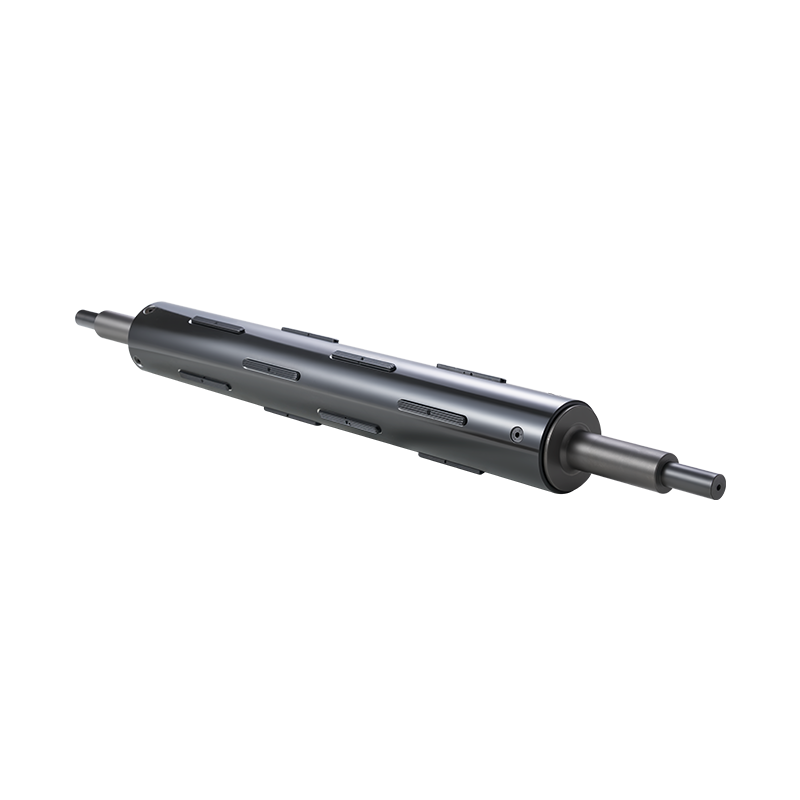
A Pneumatic Air Shaft approaches core handling through controlled air pressure. Expansion elements inside the shaft move outward when air enters the system, creating contact with the inner wall of a roll core. Releasing the air allows the gripping elements to return, making removal easier.
Roll changing efficiency is influenced by several connected factors:
- How quickly a core can be engaged
- How easily a finished roll can be released
- Whether the core remains properly positioned
- How much manual adjustment is required
- Whether the shaft fits the surrounding machine structure
Efficiency does not simply mean moving faster. A practical roll change also needs secure core engagement, suitable alignment and predictable handling.
How a Pneumatic Air Shaft Secures and Releases Roll Cores
Inside a pneumatic shaft, air pressure is used to move expandable gripping components. Once a roll core has been placed over the shaft, introducing air causes those components to press against the inner surface of the core.
Such contact creates the connection needed for winding or unwinding. When air is released, gripping pressure decreases and the core can be removed without repeated manual loosening.
A basic operating sequence looks like this:
Core placement → Air activation → Internal expansion → Core engagement → Processing → Air release → Core removal
Simple operation can reduce the number of physical adjustments required during a roll change. For operators, a clear sequence also makes preparation easier to repeat from one production cycle to another.
Suitable gripping pressure remains important. Excessive force may affect a fragile core, while insufficient contact may allow unwanted movement. Shaft selection therefore needs to consider the core material, wall condition and requirements of the processing line.
How Pneumatic Operation Simplifies Roll Changing
Manual fastening can involve several actions before a roll is ready for production. A pneumatic arrangement changes part of that process by using air pressure to engage or release the core.
During installation, the new core can be positioned on the shaft before expansion takes place. Once alignment is suitable, air activation creates the gripping action. At removal, releasing pressure allows the connection to loosen.
Reduced manual handling can be useful in workplaces where roll changes occur frequently. Operators can spend less effort on repeated tightening and loosening and more attention on positioning, inspection and preparation.
Practical benefits of a simplified process include:
- Fewer manual fastening steps
- Easier core release
- More consistent gripping
- Less physical adjustment during replacement
- Clearer preparation procedures
Roll changing still requires care. A pneumatic system does not remove the need to position the core correctly or inspect the shaft before use. Efficiency comes from combining simpler engagement with proper preparation.
How Core Alignment Influences Roll Changing
Core alignment plays an important role during installation. A roll core needs to sit correctly on the shaft before expansion occurs. Poor positioning can make gripping uneven and may affect subsequent roll movement.
Once the shaft expands, contact between the gripping elements and core should remain distributed according to the shaft design. Uneven contact can create unwanted movement or make removal more difficult.
Alignment can be checked through a few simple observations:
- Core position relative to the shaft
- Condition of the inner core surface
- Whether the core sits evenly during installation
- Whether gripping occurs as expected
- Whether the finished roll can be removed without unusual resistance
Good alignment also supports later processing. A roll that starts from an unsuitable position may create additional adjustment work after production begins.
For that reason, roll changing should be viewed as part of the wider production setup rather than as a separate loading task.
How Different Roll Materials Affect Shaft Selection
Roll characteristics vary according to the material being processed. Paper, film, foil and textile materials can have different core structures and handling requirements.
A rigid core may tolerate a different gripping condition from a softer or more easily deformed core. Surface condition also matters, particularly when the inner wall has been exposed to moisture, dust or repeated mechanical contact.
| Roll Material | Core Consideration | Shaft Selection Focus |
|---|---|---|
| Paper | Core rigidity and surface condition | Controlled gripping |
| Film | Core stability and material sensitivity | Even engagement |
| Foil | Roll handling and alignment | Secure core contact |
| Textile | Core structure and winding condition | Suitable expansion |
| Mixed Materials | Varying core characteristics | Flexible application matching |
A shaft should therefore be selected according to the actual roll characteristics rather than using one configuration for every application.
Core dimensions, material strength and roll handling conditions can all influence the appropriate shaft arrangement. Where several materials are processed, compatibility across normal production conditions becomes an important consideration.
How Pneumatic Air Shafts Can Reduce Handling Work
Manual roll handling involves more than lifting or moving a finished roll. Operators may also need to secure a core, adjust mechanical parts and release the connection after processing.
Pneumatic engagement can reduce some of those repeated actions. Air pressure performs the expansion and release function, allowing operators to work through a more consistent sequence.
Reduced handling may also help with workplace organization. Fewer loose fastening components can mean less time spent searching for tools or placing parts aside during a roll change.
A practical workflow may involve:
- Removing the finished roll.
- Checking the shaft and core condition.
- Positioning the replacement core.
- Activating air pressure.
- Confirming core engagement.
- Beginning the next processing stage.
Each step still requires attention, especially where roll alignment or material sensitivity is involved. Pneumatic operation supports the mechanical process rather than replacing careful setup.
How Shaft Design Influences Production Stability
Roll changing is only one part of shaft performance. Once a new core is installed, secure contact between shaft and core continues to matter during winding or unwinding. Unstable contact may cause unwanted movement, uneven material handling or repeated adjustment.
Expansion structure, shaft length and core support all influence how a roll behaves during operation. A suitable arrangement keeps contact consistent while allowing the core to be released when production ends.
Acceleration and deceleration can place changing forces on the roll assembly. A properly matched shaft helps keep the core connected during such transitions, reducing the chance of slipping or shifting.
Several design points deserve attention:
- Core engagement: Contact should remain suitable during normal operation.
- Shaft support: Shaft structure needs to match the surrounding machine.
- Roll alignment: Correct positioning helps maintain stable movement.
- Release action: Finished rolls should be removable without unnecessary force.
- Working condition: Shaft selection should reflect the material and processing method.
Production stability depends on more than the shaft itself. Core quality, installation accuracy and machine condition also influence how the roll behaves once processing begins.
What Maintenance Conditions Affect Roll Changing Efficiency
A pneumatic system relies on more than its visible shaft surface. Air connections, expansion components and contact areas all need suitable care. Small problems can become noticeable during core engagement, particularly when a roll fails to grip or release as expected.
Routine inspection can focus on practical areas rather than complicated procedures. Air lines should be checked for visible damage, while connections need to remain secure. Shaft surfaces should also be kept reasonably clean so that contamination does not interfere with core placement.
Useful maintenance checks include:
- Inspecting air connections before operation
- Checking expansion elements for wear
- Removing dust or material residue from contact areas
- Looking for damage on the shaft surface
- Confirming that expansion and release operate normally
- Checking the roll core before installation
Cleaning needs to suit the shaft material and surrounding equipment. Excessive force or unsuitable cleaning materials can create another source of damage.
Maintenance also has a direct connection with roll changing. A shaft that engages smoothly can reduce unnecessary adjustment during replacement, while worn components may create delays that are difficult to identify until a new core is installed.
How an Air Shaft Factory Can Match Shaft Design to Applications
An Air Shaft Factory may produce different shaft configurations because roll handling requirements vary between processing lines. Core size, roll width, material type and machine structure can all affect the appropriate design.
A shaft used for narrow material may have different structural requirements from one used with a wider roll. Core weight and material flexibility also influence how much support is needed during operation.
Selection can begin with several basic questions:
| Application Factor | Why It Matters |
|---|---|
| Core Size | Determines suitable shaft dimensions |
| Roll Width | Influences shaft working length |
| Material Type | Affects gripping requirements |
| Roll Weight | Relates to support and handling |
| Machine Structure | Determines installation compatibility |
| Operating Method | Influences winding or unwinding needs |
Such information helps connect shaft configuration with the actual working environment. A general-purpose assumption may not reflect the requirements of every processing line.
Factory design also needs to consider how the shaft will interact with existing equipment. Mounting position, available space, air supply and roll-changing procedures can all influence practical installation.
For production teams, clear application information can make equipment selection easier because shaft design is then connected to real working conditions rather than considered as an isolated component.
How Pneumatic Roll Handling Fits Into Modern Production Workflows
Roll handling has gradually become more connected with the wider production process. Loading, core engagement, winding, unloading and replacement form a continuous sequence, so a change in one stage can influence the next.
A pneumatic shaft fits into that workflow by simplifying the connection between a machine and its roll core. Air activation provides the gripping action, while air release supports removal when processing ends.
A well-organized roll-changing process can follow a clear sequence:
Preparation
The finished roll is brought to the removal position, while the replacement core is checked for damage or deformation.
Removal
Air pressure is released so the completed roll can be separated from the shaft with suitable handling equipment.
Installation
A new core is positioned carefully, with attention to alignment and surrounding machine components.
Engagement
Air pressure is applied to expand the gripping elements and establish contact with the core.
Production
Once engagement and alignment have been checked, normal winding or unwinding can begin.
Connecting each stage in a predictable way can reduce unnecessary movement between tasks. Operators also have a clearer opportunity to inspect the core and shaft before production resumes.
How Roll Core Condition Affects Pneumatic Shaft Performance
Core condition deserves attention because gripping takes place against the inner surface. A damaged, crushed or uneven core may prevent proper contact even when the shaft itself remains in suitable condition.
Moisture can also change the condition of some core materials. Dust, adhesive residue and material fragments may collect inside a core, affecting installation or causing uneven contact.
Before installing a new roll, several simple checks can help:
- Inspect the inner wall of the core.
- Remove loose debris where appropriate.
- Check for visible deformation.
- Confirm that the core fits the shaft correctly.
- Look for signs of moisture or contamination.
A clean and properly formed core makes the pneumatic gripping process easier to assess. Problems can then be separated more clearly between the shaft, core and surrounding equipment.
Why Balanced Roll Handling Supports Efficient Production
Roll changing efficiency is closely connected with preparation. A pneumatic system can simplify core engagement and release, although practical results still depend on suitable shaft selection, correct alignment and regular maintenance.
Handling becomes easier when each part of the process has a clear role. Core inspection prevents unsuitable rolls from entering production, alignment supports stable installation, pneumatic expansion provides the gripping action, and routine maintenance keeps operating conditions consistent.
For applications using different roll materials, selection should take account of core structure, roll size, machine layout and handling requirements. An Air Shaft Factory can use such application information when developing a shaft configuration suited to a particular production environment.
A Pneumatic Air Shaft therefore contributes to roll changing through a combination of controlled gripping, easier release and reduced manual adjustment. Its role extends beyond replacing a mechanical fastening step, since proper core engagement also supports stable handling after a new roll has been installed.

We specialize in manufacturing aluminum guide rolls, air shafts, steel rolls, rubber rolls, curved rolls, slip shafts, magnetic powder brakes, and other mechanical supporting products.
©2025 Ruian Baixiao Machinery Co., Ltd.

Aluminum Guide Rollers Manufacturer