
 Español
 Deutsch

What Makes Aluminum Guide Roller with Ptfe Coating Different
Continuous material handling depends on controlled movement. Paper, film, textile, packaging material and other flexible products may pass across several rollers before reaching the next processing stage. A small change in contact condition can influence how smoothly material travels, especially when a surface touches the product repeatedly.
Aluminum is often selected as a base material for guide rollers because its relatively light structure makes handling and installation easier. A roller does not work alone, though. Shaft position, roller shape, surface condition and surrounding equipment all contribute to how material moves through a production line.
For a guide roller, contact with the material needs careful attention. Too much resistance can affect movement, while an unsuitable surface may collect residue during repeated operation. Material can also shift sideways when alignment is not properly controlled.
Several factors should be considered together:
- Weight of the roller
- Shape and dimensions
- Surface condition
- Contact with the processed material
- Mounting position
- Rotation and alignment
A suitable roller design therefore starts with the material being handled rather than with the roller itself. Film may require different contact conditions from paper or textile material, while a coated surface may behave differently from bare aluminum.
What Changes When PTFE Coating Is Added to an Aluminum Roller
Adding a PTFE coating changes the outer contact surface while leaving aluminum as the main structural body. Such a combination separates two functions: aluminum provides the base structure, while the coating creates a different surface for contact with moving material.
One noticeable change concerns adhesion. Certain materials, coatings or residues can cling to an untreated metal surface during repeated contact. A suitable PTFE surface can reduce unwanted sticking, making material movement easier to manage and helping limit residue accumulation.
Surface friction is another consideration. A coated roller may offer a different level of resistance during contact compared with untreated aluminum. Lower resistance can be useful in applications where material needs to pass across the roller without dragging or catching.
PTFE coating does not automatically make every roller suitable for every process. Temperature, pressure, material type, surface condition and cleaning requirements still need to match the application.
A practical way to view the construction is:
Aluminum Core → Mechanical Support → PTFE Surface → Material Contact
Each layer has a different purpose. Focusing only on the coating can overlook important mechanical factors such as shaft alignment, balance and roller dimensions.
How Does PTFE Coating Affect Material Contact
Material passing over a roller remains in contact with its surface for a certain portion of the production path. During repeated movement, even a small amount of sticking can become noticeable, particularly when the material carries adhesive residue, coating material, dust or other substances.
A PTFE‑coated surface can help reduce adhesion in suitable applications. Material can pass across the roller with less tendency to remain attached to the surface, which may make cleaning and routine operation easier.
For flexible materials, contact behavior can also affect tracking. A roller needs to guide material without creating unnecessary drag. Surface friction, roller alignment and material tension all interact, so changing one factor may alter how the entire path behaves.
Paper processing provides one example. Paper may move through several stages where surface contact needs to remain controlled. Film handling presents another situation because thin material can react to small changes in friction or alignment.
Textile production also involves continuous movement across rollers. Fibers or loose material may collect around equipment when surfaces are difficult to clean, making surface condition an important part of equipment maintenance.
A suitable contact surface should therefore balance several needs:
- Smooth material movement
- Limited unwanted adhesion
- Easy removal of residue
- Appropriate contact with the processed material
- Stable operation during repeated movement
A coating can support those conditions in suitable applications, while the underlying roller still needs correct mechanical design.
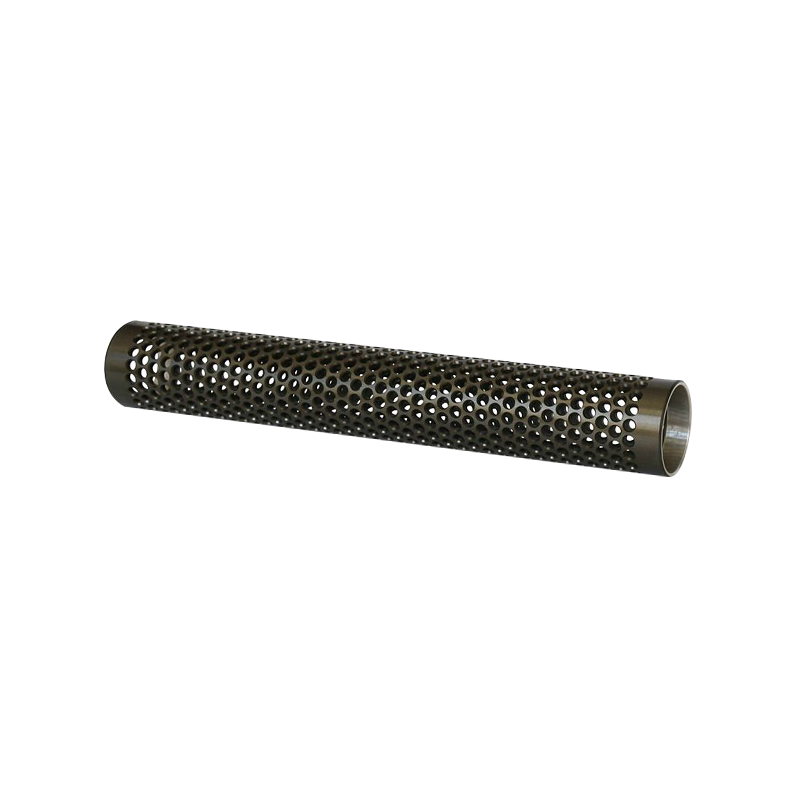
How Can an Aluminum Guide Roller Fit Into a Conveyor Roller System
A Conveyor Roller System may contain several rollers with different jobs. Some rollers carry material, while others help maintain direction or position. Guide rollers are generally concerned with keeping material on its intended path rather than simply supporting its weight.
An Aluminum Guide Roller can be used where light roller construction and controlled surface contact are useful. Its position within a system depends on the material path, roller spacing and surrounding equipment.
Alignment deserves particular attention. A roller that is slightly out of position may cause material to move toward one side instead of following a stable path. Problems can become more noticeable when material passes through several rollers in sequence.
Roller dimensions also need to correspond with the equipment. Diameter, length, shaft arrangement and mounting points should be considered before installation.
A simple relationship can be viewed as:
Roller Dimensions → Mounting Position → Alignment → Surface Contact → Material Tracking
Changing one part of the arrangement may affect another. For that reason, selecting a coated roller should involve the complete material path rather than looking at surface treatment alone.
In some applications, a coated aluminum guide roller can help manage contact where residue or sticking is a concern. In other systems, a different surface treatment may be more appropriate. The right choice depends on working conditions, material characteristics and maintenance requirements.
| Factor | PTFE Coated Aluminum Roller | Other Surface Treatments |
|---|---|---|
| Material Contact | Reduced Adhesion in Suitable Applications | Depends on Surface Finish |
| Cleaning | Residue Can Be Easier to Remove | Depends on Material Buildup |
| Friction | Lower Contact Resistance May Be Possible | Varies With Treatment |
| Typical Use | Film Paper Textile Packaging | Depends on Process Conditions |
| Maintenance | Coating Condition Needs Inspection | Depends on Surface Type |
A roller should be viewed as part of a larger system. Surface treatment can influence contact, while dimensions, balance and alignment determine how the roller performs mechanically.
Which Industries Can Use PTFE Coated Aluminum Guide Rollers
PTFE‑coated aluminum guide rollers can be considered in production lines where flexible materials move continuously across several contact points. Printing, paper processing, packaging, textile work, film handling and coating operations can all involve guided material movement.
Each application presents a different working environment. Paper can leave small amounts of dust, while film or coated materials may carry residues that gradually collect on equipment surfaces. Textile processes may involve loose fibers that gather around moving parts.
Packaging equipment often requires material to travel through a defined path before cutting, sealing or forming. A guide roller helps keep that path controlled, with surface condition influencing how the material contacts the roller.
Film processing presents another consideration because thin material can react to changes in contact resistance and alignment. A surface that allows material to pass without unnecessary sticking may help reduce interruptions during continuous handling.
No single surface treatment suits every production process. Material composition, operating temperature, contact pressure and the type of residue present should all be considered before selecting a roller.
What Should Be Considered When Choosing the Roller Surface
Choosing a roller surface starts with the material that will touch it. A surface suitable for paper may not behave in the same way when used with adhesive‑coated film or textile material.
Operating conditions also matter. Heat, pressure, moisture and cleaning methods can affect the condition of a coated surface over time. A roller used in a relatively clean environment may have different maintenance needs from one exposed to dust or sticky residue.
Material movement should also be examined. A guide roller needs enough contact to help maintain direction, while excessive resistance may interfere with smooth travel.
Several questions can help narrow the selection:
- What material will touch the roller?
- Does the material carry dust, adhesive or coating residue?
- How much contact pressure is expected?
- Will the roller operate in a warm or humid area?
- How often will cleaning be required?
- Can the coating be inspected easily after installation?
PTFE may be useful where low adhesion and easier cleaning are important. A different treatment may make more sense where another surface characteristic is required.
Roller dimensions remain important as well. A suitable coating cannot correct an incorrect diameter, shaft size or mounting arrangement. Surface treatment should therefore be selected alongside the mechanical requirements.
How Does Precision Manufacturing Affect Roller Performance
Surface treatment receives much attention, although manufacturing accuracy also plays a significant role in roller operation. A guide roller needs to rotate in a controlled manner, and small differences in shape or alignment can influence material tracking.
Straightness is one consideration. A roller that does not remain properly aligned can cause material to move away from its intended path. Balance also matters during rotation, especially where the roller operates continuously.
Shaft positioning needs to match the surrounding equipment. A correctly coated roller can still create problems when mounting points do not line up properly.
For a Precision Roller Manufacturer, production normally involves attention to dimensions, shaft arrangement, surface preparation and coating condition. Customized roller requirements may involve changes in length, diameter, mounting style or surface treatment according to the equipment layout.
Inspection should cover the complete roller rather than the coated layer alone. Useful checks can include:
- Overall dimensions
- Shaft position
- Surface consistency
- Rotation condition
- Coating coverage
- Mounting compatibility
Such checks help connect manufacturing quality with actual equipment requirements. A roller is part of a moving system, so its mechanical accuracy and surface condition need to work together.
How Should PTFE Coated Aluminum Guide Rollers Be Maintained
Routine maintenance helps keep the contact surface and mechanical parts in usable condition. Cleaning needs to match the type of material being handled because aggressive tools or unsuitable cleaning methods may damage a coated surface.
Residue should not be allowed to build up around areas where material makes repeated contact. A gradual layer of dust, adhesive or process material can change surface behavior and may also affect material tracking.
Visual inspection can reveal several early signs of trouble. Scratches, peeling, uneven areas or exposed sections of the underlying material may indicate surface damage. Shaft connections and bearing areas also deserve attention during inspection.
A simple maintenance process can include:
- Stop the equipment safely before inspection
- Remove visible residue from the roller surface
- Check the coating for scratches or damaged areas
- Inspect shafts and mounting points
- Check whether rotation remains smooth
- Observe material tracking during normal operation
Cleaning frequency should reflect the working environment. A dusty production area may require attention more often than a cleaner process.
Care is also needed when removing stubborn residue. Hard scraping tools may leave marks on the surface, while unsuitable cleaning substances can affect the coating. Using a method compatible with the roller material and coating helps preserve its intended surface condition.
A PTFE‑coated Aluminum Guide Roller is different from an untreated roller mainly because its surface and base material perform separate roles. Aluminum provides the roller structure, while PTFE changes how processed material contacts the outer surface. Within a Conveyor Roller System, such a combination may be useful where controlled movement, reduced adhesion and easier surface cleaning are relevant.
Selection still needs to begin with the production process. Material type, roller dimensions, operating conditions, alignment and maintenance requirements all have a role, while precision manufacturing helps bring those requirements together into a roller that fits the surrounding equipment.

We specialize in manufacturing aluminum guide rolls, air shafts, steel rolls, rubber rolls, curved rolls, slip shafts, magnetic powder brakes, and other mechanical supporting products.
©2025 Ruian Baixiao Machinery Co., Ltd.

Aluminum Guide Rollers Manufacturer