
 Español
 Deutsch

How Hard Anodized Aluminum Roller Handles Surface Wear
Rollers tend to play a fairly important role in many production and material handling processes. Although a roller may look like a simple rotating component, its surface condition can influence quite a bit about how materials move, how equipment operates, and how often maintenance ends up being needed.
During continuous contact with materials, roller surfaces tend to experience friction, pressure, dust exposure, and repeated cleaning. Over time, these conditions can gradually change the appearance and working condition of ordinary aluminum surfaces. For applications that need stable contact and smooth guidance, surface treatment tends to become a fairly important part of roller design.
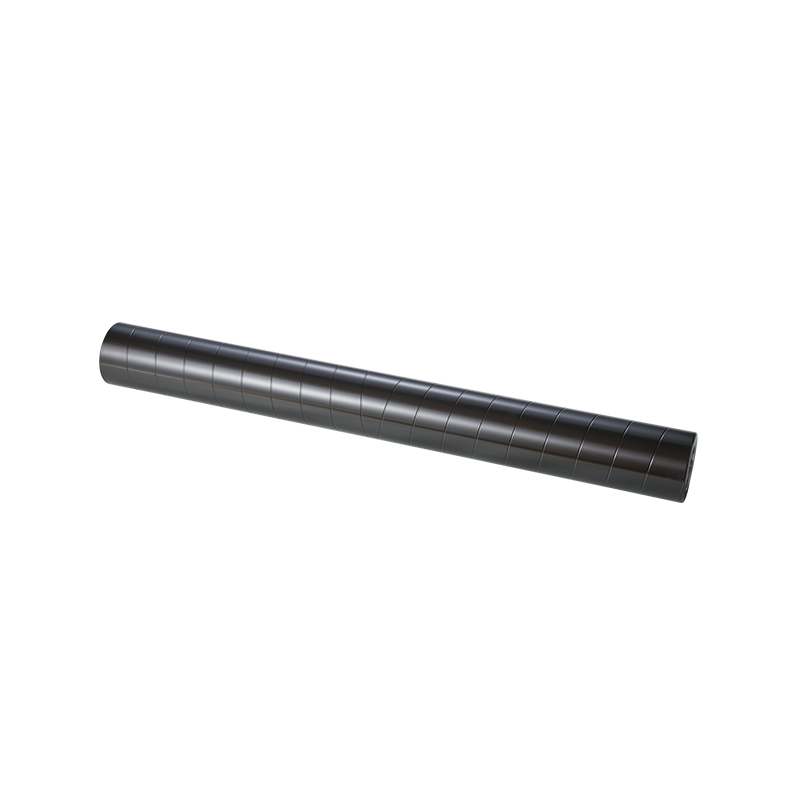
A Hard Anodized Aluminum Roller combines an aluminum base with a treated surface layer that tends to improve resistance against daily wear. The purpose of the treatment probably isn't just about appearance—it also tends to connect with surface protection, cleaning needs, and working environment requirements.
Different industries tend to have somewhat different expectations for roller performance. A roller used for guiding flexible materials may focus more on surface smoothness, while a roller installed in a production system may need more attention to size accuracy and structural balance. Understanding how surface wear tends to happen, and how design choices influence durability, can help buyers select more suitable solutions.
What Causes Surface Wear on Aluminum Rollers?
Surface wear usually develops through repeated contact between the roller and surrounding materials. Even when the rotating movement looks smooth, small forces tend to keep acting on the surface during daily operation.
A few conditions that may influence surface changes:
- Continuous friction between materials and roller surface
- Dust particles entering the working area
- Frequent contact with different materials
- Cleaning processes during maintenance
- Changes in temperature and humidity
A roller guiding paper, film, fabric, or other flexible materials tends to need a surface that can maintain fairly consistent contact. Small scratches or uneven areas may affect material movement and create problems during processing.
The working environment also tends to change the type of wear that shows up. A clean indoor production area may create somewhat different challenges compared with an outdoor or dust-filled environment. Because of this, roller selection usually starts with understanding where the component will be installed and what materials will actually contact the surface.
Surface wear probably isn't just about the outer layer either. Roller structure, rotation balance, installation method, and material characteristics all tend to influence how the surface experiences pressure.
A properly designed roller tends to consider several factors together:
| Factor | Influence on Roller Use | Buyer Consideration |
|---|---|---|
| Surface Treatment | Changes contact resistance and protection ability | Which finish matches the working condition |
| Aluminum Material | Affects weight and processing options | Is aluminum suitable for the equipment |
| Roller Structure | Influences rotation stability | What design fits the system |
| Working Environment | Changes wear conditions | Where will the roller operate |
How Does Hard Anodizing Improve Roller Surface Performance?
Hard anodizing is a surface treatment method used to modify the outer layer of aluminum. Rather than adding a separate coating on top, the process tends to change the surface characteristics of the aluminum itself.
The treated surface tends to offer a different level of resistance against contact, scratches, and daily handling compared with untreated aluminum. For roller applications, this change tends to help the surface maintain its condition a bit better during repeated use.
A roller surface generally needs to balance a few requirements:
- Contact Stability
Materials passing over a roller tend to need fairly consistent contact. A suitable surface condition tends to help reduce unexpected friction changes during movement. - Surface Protection
Repeated contact may gradually affect untreated aluminum over time. A treated surface tends to provide additional protection for applications where wear is more of a concern. - Maintenance Convenience
Surface condition tends to influence cleaning and inspection work. A smoother and more stable surface can often make routine maintenance a bit easier.
The effectiveness of surface treatment tends to depend on quite a few elements, including the aluminum base, processing control, and application environment. A treatment suitable for one working condition may not fit another situation particularly well, which is part of why manufacturers usually consider the full usage environment before settling on a surface solution.
What Structural Factors Influence Roller Durability?
Surface treatment tends to be an important part of roller design, yet durability also depends quite a bit on the structure underneath. A well-designed roller generally needs material selection, shape, and manufacturing process to work together reasonably well.
A few structural elements that tend to affect practical use:
- Roller Diameter
Diameter tends to influence how the roller contacts materials and how it rotates within equipment. Different systems tend to require different dimensions depending on available space and operating requirements. - Wall Thickness
The internal structure tends to affect strength and weight balance. A suitable wall thickness tends to help the roller maintain shape during operation while avoiding unnecessary weight. - Shaft Connection
The connection between the roller body and supporting parts tends to affect installation stability. A suitable connection design tends to help reduce movement problems during rotation. - Balance and Roundness
A roller generally needs balanced rotation to maintain smooth operation. Uneven forming or inaccurate processing may create vibration or uneven contact over time.
A Hard Anodized Aluminum Roller probably isn't defined by its surface layer alone. The relationship between the aluminum body and surface treatment tends to shape quite a bit of how it performs during actual use.
How Does Surface Wear Affect Different Industrial Applications?
Different industries tend to create somewhat different challenges for roller surfaces. Material type, operating speed, environmental conditions, and maintenance methods all tend to influence wear patterns to varying degrees.
Printing and Packaging Applications
Printing and packaging systems often require rollers that guide materials fairly smoothly. Surface condition tends to influence how materials pass through the equipment.
For these applications, buyers may focus on:
- Smooth material movement
- Stable contact with surfaces
- Easy cleaning
- Consistent roller condition
A roller surface with suitable treatment can help maintain a more stable working environment, especially where materials frequently touch the roller.
Film and Sheet Processing
Flexible materials such as films and sheets tend to need fairly careful handling, since surface marks or uneven movement may affect the final product.
Rollers used in these systems often tend to need:
- Controlled surface smoothness
- Suitable friction characteristics
- Accurate dimensions
The roller design generally needs to match the material being processed. A surface that works well with one material may need some adjustment for another.
Textile and Converting Applications
Textile processing environments often involve fairly continuous material movement. Fibers, dust, and repeated contact can gradually influence roller surfaces over time.
In such situations, attention usually tends to go toward:
- Surface protection
- Cleaning methods
- Rotation stability
- Long-term maintenance plans
Why Is Aluminum Used for Roller Manufacturing
Aluminum remains a practical material for many roller applications because it offers a useful balance between weight and processing flexibility. In production systems where rotating parts need to move smoothly, unnecessary weight can create extra load on supporting components. Aluminum helps reduce that burden while still allowing precise shaping.
Another reason comes from manufacturing convenience. Aluminum can be formed into different sizes and surface conditions more easily than many heavier materials. That makes it suitable for roller bodies that need specific dimensions or custom mounting details.
Material behavior also matters during use. A roller installed in a processing line may face repeated motion, cleaning, and environmental change. Aluminum provides a base that can work well with surface treatment, which gives the finished roller a more controlled outer condition.
Selection usually depends on the actual working environment. Lightweight structure may help in one system, while another setup may need stronger support or a different surface solution. Aluminum gives manufacturers enough flexibility to adjust design according to those requirements.
What Makes A Hard Anodized Aluminum Roller Suitable For Long Term Use
Long term use depends on more than one feature. A treated surface helps protect the roller, yet the structure underneath must also remain stable. When both parts work together, the roller can handle repeated contact with less interruption.
A Hard Anodized Aluminum Roller often suits applications where surface contact continues throughout daily production. The treated layer supports the outer surface during repeated movement, while the aluminum base keeps the roller light enough for practical handling.
Several conditions support long term use:
- Controlled surface condition
- Balanced roller rotation
- Suitable connection design
- Proper cleaning and inspection
- Matching between roller size and application
Maintenance also plays a practical role. A roller that is cleaned carefully and checked at regular intervals is more likely to keep its working condition for a longer period. Dirt buildup, misuse, or poor installation can affect performance even when surface treatment is suitable.
Temperature changes, humidity, and contact material all influence long term behavior. A roller used in a stable indoor line may face different challenges from one installed in a harsher environment. Because of that, durability always needs to be viewed together with the specific job it supports.
How Does A Precision Roller Manufacturer Support Different Requirements
A roller supplier does more than produce a round part. A Precision Roller Manufacturer usually works with multiple design points at the same time, including diameter, surface finish, shaft connection, balance, and intended use. Each point can influence how the roller performs inside the equipment.
Buyers often arrive with different priorities. One project may focus on smooth guidance for thin material. Another may need a roller with a special mounting style or a surface treatment that handles frequent contact more comfortably. A manufacturer needs to translate those practical needs into a finished component.
Customization often involves:
- Size and diameter selection
- Wall thickness adjustment
- Surface finish choice
- Connection and mounting details
- Application-based design changes
Communication between buyer and manufacturer matters because roller use is tied closely to the surrounding system. A well-designed roller for one machine may not work in the same way in another machine. Equipment layout, working speed, and material type all influence what kind of roller design will fit.
Production consistency also matters. When several rollers are used in one line, similar dimensions and surface condition help the system behave more steadily. Small variation can create uneven movement or extra adjustment work during installation.
How Should Buyers Select The Right Roller Solution
Choosing a roller starts with understanding the working environment. A buyer who knows what the roller will contact, where it will operate, and how long it will run can narrow the options more effectively.
Important points often include:
- Material Contact
What kind of material touches the roller during use? Soft film, paper, fabric, or another surface may each create different wear patterns. - Surface Requirement
Is the roller expected to stay smooth, resist wear, or handle cleaning with limited change in condition? Surface treatment should match that need. - Mounting Method
How will the roller be installed? Connection style affects both stability and maintenance convenience. - Working Environment
Will the roller operate in a clean room, a production hall, or a place with more dust or humidity? Environment influences wear and cleaning demands. - Maintenance Plan
How often can the roller be inspected or cleaned? A practical design should fit the maintenance rhythm of the equipment.
Buyers often benefit from describing the complete use case before ordering. A short note about machine type, material type, operating space, and surface expectations can help the manufacturer suggest a more suitable solution.
A roller chosen only by appearance or general size may create issues later. A roller selected through application needs usually fits the system more naturally and reduces unnecessary correction during setup.
How Do Manufacturing Details Influence Final Roller Quality
Final quality reflects a chain of decisions, not just one processing step. Shape accuracy, surface preparation, connection quality, and balancing all affect how the roller performs.
If shaping is uneven, roller rotation may feel inconsistent. If surface preparation is not controlled well, the finish may not respond as expected in daily use. If connection points are weak or poorly aligned, installation may create extra stress on the roller body.
A useful roller design grows from three linked areas:
- Material selection that suits the use case
- Surface treatment that matches wear conditions
- Structural control that supports balance and rotation
When those parts are aligned, the finished roller fits more naturally into the working system. That is often where a Precision Roller Manufacturer adds value, since accurate production can reduce adjustment needs after installation.
What Should Buyers Review Before Ordering
Before placing an order, buyers usually benefit from checking a few practical points.
- Does the roller need surface wear resistance or mainly guiding stability?
- Will the roller run in a clean indoor area or a more demanding environment?
- Is a standard size enough, or is customization needed?
- Which surface finish suits the material being processed?
- How will the roller be cleaned and maintained?
Clear answers help narrow the design path. A roller meant for gentle guidance may need a different finish from one used in a more active line. A roller used with flexible material may also require different attention from one that sees stronger pressure or repeated contact.
Approaching the order with these points in mind makes the selection process more direct and practical. It also helps the final product fit the real job rather than only a general description.
A well-made treated roller becomes part of a larger working system. Material, surface, structure, and installation all influence how stable that system feels in daily operation. When design and use condition match closely, roller performance becomes easier to manage over time.

We specialize in manufacturing aluminum guide rolls, air shafts, steel rolls, rubber rolls, curved rolls, slip shafts, magnetic powder brakes, and other mechanical supporting products.
©2025 Ruian Baixiao Machinery Co., Ltd.

Aluminum Guide Rollers Manufacturer