
 Español
 Deutsch

Why Is Carbon Steel Roller Used In Printing And Packaging Machinery
Printing and packaging lines move in a continuous rhythm. Material enters from one end, passes several guiding points, then exits with printed or formed structure. In that movement chain, a Carbon Steel Roller often becomes one of the parts that quietly keeps everything aligned.
Carbon Steel Roller sits in contact with moving sheets or films, so any uneven rotation quickly reflects in the final output. Even small changes in surface movement can shift alignment in printing zones or tension in packaging paths.
In many workshops, the roller is not treated as a single unit of importance. It works with other rollers in sequence. One roller guides, another presses, another stabilizes. Carbon steel structure helps keep rotation behavior steady so the whole chain does not drift.
Typical roles in real production flow:
- keeping material moving in a straight path
- supporting even pressure during printing contact
- helping sheets pass without sudden tension change
- maintaining alignment between multiple machine sections
When motion stays stable here, later steps in packaging feel more predictable.
How Strength Of Carbon Steel Changes Roller Behavior
Carbon steel is often chosen for its resistance to deformation under constant pressure. In printing and packaging work, rollers are never idle. They stay in contact with moving material for long periods, sometimes under uneven load depending on material thickness or tension.
If a roller surface changes shape slightly under pressure, the material passing over it will also shift. That shift may not be obvious, yet it becomes visible in alignment or print consistency later.
Carbon steel helps reduce that kind of drift. It holds shape more firmly when pressure repeats again and again across long working cycles.
In practical use, material strength affects:
- stability of roller shape under continuous load
- resistance to slow surface deformation
- steadiness of pressure across contact area
- consistency during long production runs
A stable roller body gives the rest of the system a fixed reference point to rely on.
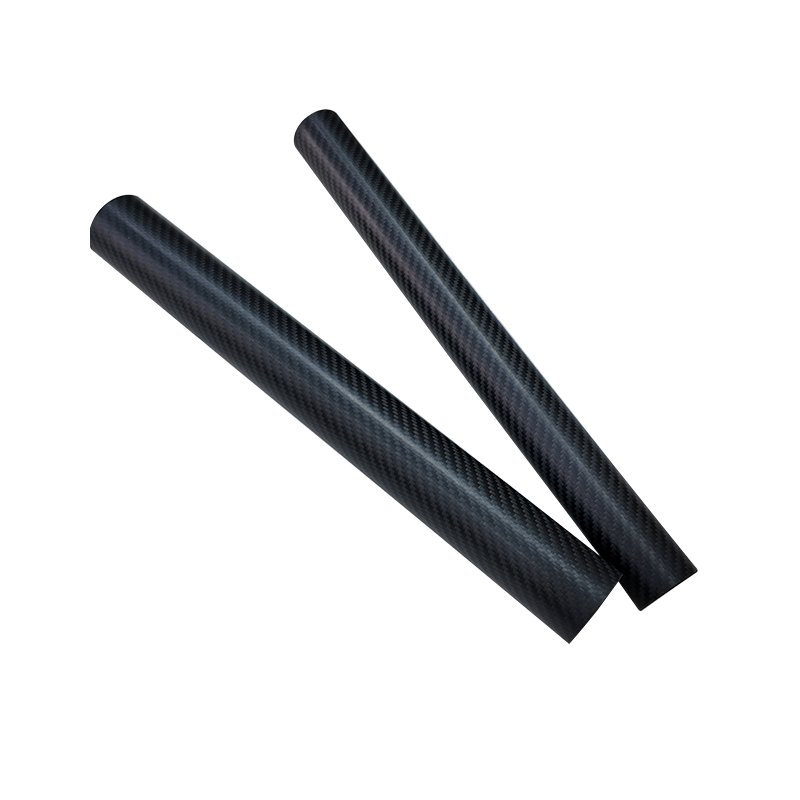
Why Industrial Steel Roller Systems Rely On Carbon Steel
In many machines, rollers are part of a connected system rather than independent pieces. An Industrial Steel Roller setup depends on synchronized movement, where each roller follows a shared speed and pressure balance.
Carbon steel fits into that structure because it behaves predictably under mechanical load. It does not shift easily under pressure, and that helps keep alignment stable when multiple rollers are working together.
Industrial Steel Roller often needs to stay consistent even when production conditions change slightly. Carbon steel helps reduce variation during those changes.
Common reasons for its use in system design:
- steady rotation under continuous operation
- compatibility with multi-roller alignment systems
- stable response under material pressure changes
- reduced drift in long production cycles
In simple terms, it helps different parts of the machine "move together" instead of separately.
How Surface Condition Affects Material Movement
Even when internal structure is strong, surface condition decides how smooth the material feels during movement. In printing and packaging, surfaces are in constant contact with paper, film, or coated materials.
Carbon steel rollers often go through surface treatment to adjust friction level. The goal is not only smoothness, but controlled contact. Too much friction slows movement, too little reduces control.
When surface balance is correct, material passes through without sudden jumps or uneven tension.
Typical surface-related effects:
- smoother material sliding during transport
- reduced sticking during printing contact
- more stable ink transfer on printed layers
- lower chance of surface marking on packaging film
A well-balanced surface helps keep movement calm even when speed changes.
Why Balance Matters In Roller Rotation
Rotation balance sounds technical, but in real machines it shows up as vibration or smoothness. A roller that turns evenly keeps material movement steady. A roller with slight imbalance creates small vibration patterns that pass into the material path.
In printing sections, those small vibrations can shift alignment. In packaging, they may affect folding or sealing accuracy.
Balanced rotation supports:
- stable movement of sheets across machine path
- reduced vibration during long operation
- consistent alignment across multiple stages
- smoother transition between machine sections
Even when machines run at different speeds, balance keeps behavior predictable.
| Condition | Rotation Feel | Effect On Material |
|---|---|---|
| Well balanced carbon steel roller | smooth and steady | stable alignment and feed |
| Medium balance condition | slight vibration | small variation in output |
| Poor balance condition | uneven rotation | visible drift in material path |
How Continuous Operation Affects Carbon Steel Roller
Printing and packaging machines often run for long periods without stopping. During that time, rollers stay in contact with moving material constantly. Carbon steel handles that environment by maintaining shape stability under repeated load.
Friction builds gradually during operation. Heat also appears from constant contact. Carbon steel structure helps reduce deformation under these conditions, so roller shape remains closer to its original form.
Over time, typical behavior includes:
- steady rotation under repeated cycles
- controlled surface wear pattern
- stable pressure across contact area
- consistent material movement through system
When conditions remain steady, roller performance stays more predictable across long runs.
How Maintenance Slowly Changes Roller Behavior In Daily Operation
Printing and packaging lines rarely stop for long, so rollers end up working in a repeating rhythm that feels almost constant. A Carbon Steel Roller keeps contact with moving materials for hours, sometimes longer, and small surface changes start to matter more than obvious mechanical issues.
Carbon Steel Roller gradually collects ink traces, paper dust, or light adhesive residue during operation. Nothing dramatic happens at the beginning, yet surface feel slowly shifts. Movement may still look normal, while tension behavior in material starts to feel slightly different.
Maintenance in real workshop conditions is usually not complicated. It tends to revolve around simple, repeated actions that keep the roller from drifting away from its original state.
Typical practical steps:
- wiping surface after long production cycles
- checking bearing rotation by hand during idle time
- clearing fine dust near roller edges
- observing alignment between paired rollers
When these small actions are done regularly, movement stays closer to stable. When ignored for too long, changes appear slowly through vibration or slight material shift rather than sudden failure.
How Packaging Materials Influence Roller Contact Behavior
Different materials interact with rollers in their own way. A Carbon Steel Roller does not behave differently on its own, yet the surface reaction changes depending on what passes over it.
Industrial Steel Roller systems often handle mixed material types, so contact conditions are rarely identical across production runs.
Paper-based materials usually create stable contact, though fine dust may appear after long use. Film materials move more smoothly, yet tension sensitivity becomes more noticeable. Composite layers behave differently again, with alternating friction levels depending on coating or thickness.
Common interaction patterns seen in operation:
- paper increases contact stability but adds residue over time
- film reduces friction yet requires tighter tension control
- coated surfaces shift friction during longer cycles
- mixed materials create uneven pressure response zones
Because of these differences, roller performance is always linked to what is running through the machine at that moment.
How Industrial Steel Roller Systems Depend On Smooth Coordination
In many printing and packaging setups, rollers do not act alone. They form a chain where each unit depends on the next. An Industrial Steel Roller is often part of that sequence, working alongside feeding and guiding sections.
When rotation stays synchronized, material flow feels continuous. When one roller drifts slightly out of balance, the effect moves forward through the system.
Coordination issues usually appear in subtle ways:
- slight shift in printed alignment
- uneven tension across material width
- small vibration during transfer between stages
- irregular feeding into cutting or sealing zones
Stable coordination depends on several conditions:
- matched rotation speed across connected rollers
- consistent pressure between contact points
- correct positioning inside machine frame
- stable material tension between stages
Even small imbalance can travel through the whole production line.
How Wear Develops Without Sudden Failure
Carbon steel rollers do not fail suddenly in many cases. Instead, wear develops slowly through repeated contact. The surface becomes slightly smoother in some areas and slightly rougher in others, depending on pressure distribution.
In real use, contact is not perfectly equal across the roller surface. Certain zones carry more load depending on material width or alignment. Those zones naturally experience more wear over time.
Typical wear patterns include:
- gradual polishing in high-contact areas
- small friction changes after long operation cycles
- uneven residue buildup in specific zones
- slight variation in rotation feel over time
Even with these changes, function usually continues, only with small shifts in sensitivity or response.
How Workflow Integration Shapes Roller Role In Production Lines
Modern printing and packaging systems are built as continuous flow lines. Material does not stop between stages, it moves from feeding to printing, then to finishing and packaging in one direction.
Inside this flow, rollers act as transfer points. A Carbon Steel Roller helps maintain movement consistency between each stage so that material does not lose alignment during transitions.
In practical workflow behavior:
- feeding stage depends on stable roller entry movement
- printing stage requires steady surface contact
- transfer zones need smooth speed matching
- packaging stage depends on consistent alignment
When roller movement remains steady, the entire workflow feels more connected. When small instability appears, it tends to repeat through later stages.
How Long-Term Stability Forms In Roller Systems
Stability in roller systems does not come from a single adjustment. It develops gradually through repeated operation under similar conditions. Once machine settings, material type, and operating speed remain consistent, roller behavior slowly becomes predictable.
Carbon steel structure supports this process by holding shape under continuous load and reducing unexpected movement changes.
Conditions that support long-term stability:
- steady material type across production cycles
- consistent machine speed settings
- regular light cleaning and inspection
- balanced load distribution across roller set
Over time, the system begins to behave in a familiar pattern, where movement changes become less abrupt and easier to manage.
A Carbon Steel Roller stays in constant motion inside printing and packaging machinery, even though it rarely draws attention. Its role is not about visibility, it is about maintaining steady movement across connected stages.
Industrial Steel Roller systems rely on this stability to keep production flow consistent from start to finish.
When structure, maintenance, and workflow conditions align, roller behavior remains steady across long operation cycles, supporting smooth material movement without sudden disruption.

We specialize in manufacturing aluminum guide rolls, air shafts, steel rolls, rubber rolls, curved rolls, slip shafts, magnetic powder brakes, and other mechanical supporting products.
©2025 Ruian Baixiao Machinery Co., Ltd.

Aluminum Guide Rollers Manufacturer