
 Español
 Deutsch

What Should You Know Before Choosing Carbon Steel Roller For Production Line
Why Do Production Lines Rely on Roller Systems in Material Handling Processes
In many production lines, material movement rarely depends on lifting or manual shifting, since items usually need to pass through multiple working stages in a steady direction, and roller systems become part of that movement path where contact and rotation replace direct dragging on surfaces.
A Carbon Steel Roller is commonly used in these sections because it supports repeated contact with moving loads while keeping rotation behavior stable over long running periods, and in practice it works more as a guiding surface than a visible working component, since most of its role happens through continuous motion under pressure.
Inside a working line, materials may change in shape, weight, or surface texture, yet movement still needs to remain controlled from one station to the next, so rollers act as a transition layer between fixed frames and moving goods, reducing friction that would otherwise slow down the process.
Without rollers, materials would slide directly on supporting structures, which increases resistance and creates uneven movement, especially when load distribution shifts slightly during transport or when surfaces are not perfectly uniform.
Typical functions observed in roller-based systems:
- Keeping material movement continuous across different stations
- Reducing direct surface friction during transfer
- Supporting direction control along conveyor paths
- Spreading load across multiple contact points
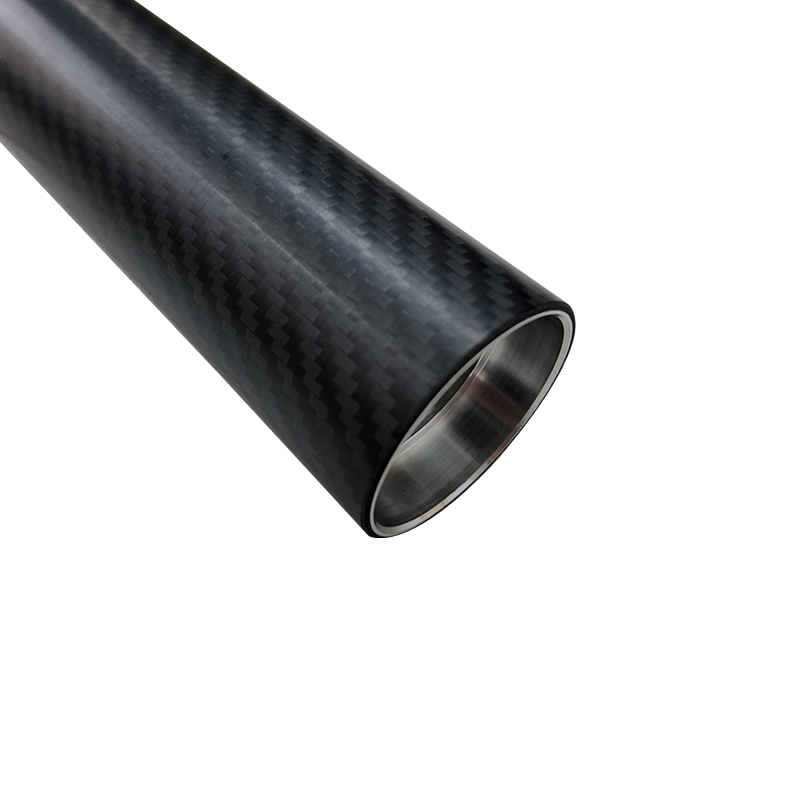
What Makes Carbon Steel Roller Different From Other Roller Materials
Material choice in roller construction has a direct influence on how movement behaves during operation, and Carbon Steel Roller is often selected where structural strength and consistent rotation are required under repeated contact conditions.
Compared with lighter materials, carbon steel construction holds its shape under continuous pressure, and that stability becomes noticeable when systems run for long periods without interruption, since surface deformation tends to develop more slowly.
In real production environments, rollers are not used in static conditions, they rotate under constant load while materials pass over them repeatedly, and this repeated contact gradually tests how well the surface maintains its form.
Key behavior patterns include:
- Stable structural response under continuous loading
- Controlled surface change during long-term use
- Steady rotation under repeated contact pressure
- Resistance to early deformation in working cycles
The role of carbon steel in this setting is not about changing the movement style, it is more about keeping movement predictable when pressure conditions remain constant for long durations.
How Does Load Distribution Affect Roller Performance in Production Lines
Load distribution across a roller surface rarely stays perfectly even, since materials entering a conveyor system may shift slightly during movement, and that small shift changes how force is applied across the rotating surface.
When pressure concentrates on one side, the roller begins to experience uneven contact, which can influence rotation smoothness over time and create small differences in wear between different sections of the same roller.
Shaft alignment also plays a quiet role in this process, since even small changes in positioning can affect how force travels through the roller body, leading to uneven motion behavior during long cycles.
In practical operation, effects of load imbalance often appear as:
- Uneven pressure zones along roller surface
- Gradual wear differences between contact points
- Slight variation in movement smoothness
- Changes in rotation consistency during long use
When load is evenly distributed, movement tends to remain more stable across the entire conveyor path, allowing materials to pass through without interruption or irregular shifting.
Why Is Surface Wear an Important Factor in Roller Selection
Rollers operate through continuous contact, and that contact slowly changes surface condition over time, which makes wear behavior a key factor when selecting materials for long-term production use.
In Carbon Steel Roller systems, surface hardness helps maintain shape under repeated pressure, although friction still creates gradual changes depending on the type of material being transported and how long the system runs.
Wear does not only affect appearance, it also influences movement behavior, since uneven surfaces can introduce resistance points that slightly interrupt smooth rolling.
Common effects linked to surface wear:
- Gradual change in surface smoothness during operation
- Increased friction in contact areas over time
- Small variations in material movement speed
- Minor vibration during rotation cycles
Material selection often considers the balance between resistance to wear and smooth contact behavior, since overly rigid interaction can increase friction, while softer surfaces may change faster under continuous load.
How Does Carbon Steel Roller Perform Under Continuous Operation Conditions
Continuous operation places steady pressure on roller systems, since rotation does not pause for long intervals, and friction between surface and material generates heat that slowly affects performance behavior.
Carbon Steel Roller maintains rotation stability through internal structural strength that supports repeated load cycles, allowing movement to stay relatively consistent even when operation continues for extended periods.
In practical use, long running conditions often reveal how well a roller maintains surface contact without sudden change in motion pattern, since small shifts in rotation can affect material flow across the entire line.
| Roller Aspect | Carbon Steel Roller Behavior | Softer Material Roller Behavior |
|---|---|---|
| Load response | Maintains stable shape under pressure | May shift under long-term load |
| Surface wear | Develops gradually over time | Changes more quickly under friction |
| Rotation stability | Keeps steady motion across cycles | More variation under uneven load |
| Contact behavior | Consistent rolling contact | Less stable under repeated stress |
What Role Does Surface Treatment Play in Roller Function
In production lines, roller surfaces rarely work in a raw state without adjustment, since direct metal contact with transported materials can create uneven friction, noise, or surface marks that affect movement quality over time.
Surface treatment is often used to adjust how the roller interacts with passing materials, and in Carbon Steel Roller applications, treatment layers help shift the contact feel without changing the internal strength of the structure.
Different treatment methods can slightly change how friction behaves, which then influences how smoothly materials move across conveyor paths, especially when surface sensitivity of transported goods becomes part of the process.
Common surface effects include:
- Adjustment of friction level during rotation
- Reduction of direct metal contact impact
- Smoother movement across conveyor sections
- Better handling of surface-sensitive materials
In some production environments, Rubber Roller Supplier options are considered when softer contact behavior is needed, since rubber surfaces respond differently under pressure and can reduce direct impact between roller and material, especially in lighter or more delicate transport conditions.
How Does Carbon Steel Roller Work With Conveyor Systems
A Carbon Steel Roller is usually placed inside conveyor structures where continuous movement is required, and its role is to support motion by rotating under load while keeping direction aligned along the transport path.
Inside conveyor systems, rollers are arranged in sequences, so each unit shares part of the load while guiding materials forward in a controlled flow, and this shared structure helps reduce strain on individual contact points.
Movement across conveyor lines depends on both rotation and spacing, since the distance between rollers affects how materials settle and move, especially when weight distribution changes during transport.
Key interaction points in conveyor systems:
- Supporting continuous forward movement of materials
- Maintaining alignment along transport direction
- Sharing load across multiple rotating units
- Reducing friction between surface and structure
In some setups, Rubber Roller Supplier configurations are used in combination with steel rollers to adjust surface behavior in specific sections of the line, especially where smoother contact or reduced hardness is required during transfer stages.
What Should Be Considered When Matching Roller Type With Production Material
Different materials behave differently during transport, and that behavior influences how roller surfaces should be selected, since hard, soft, or irregular items each create unique contact conditions during movement.
Carbon Steel Roller performs well in situations where structural strength and stable rotation are needed, especially when materials are heavier or require firm support during movement across longer distances.
However, when materials are softer or more sensitive to surface pressure, interaction between roller and product becomes more important than load capacity alone, and that is where alternative surface types are often considered.
Practical matching considerations:
- Hard materials require stable load-bearing support
- Soft materials need reduced surface pressure contact
- Irregular shapes affect rotation balance
- Mixed materials require adaptable conveyor sections
Rubber Roller Supplier options are sometimes used in these mixed environments, since rubber surfaces can absorb part of the contact force and reduce direct impact, which helps maintain surface condition of transported items.
How Does Maintenance Influence Roller Lifespan in Production Use
Rollers operate continuously in many production lines, and over time, repeated contact leads to gradual surface change, bearing wear, and small shifts in rotation smoothness, which makes maintenance part of normal operation rather than occasional work.
In Carbon Steel Roller systems, maintenance usually focuses on checking rotation balance, cleaning surface buildup, and ensuring that alignment remains stable across the conveyor structure.
When maintenance is delayed, small issues such as uneven wear or increased friction may gradually affect movement quality, and that influence can spread across connected sections of the line.
Common maintenance-related factors:
- Cleaning surface contact areas to reduce buildup
- Checking rotation smoothness during operation cycles
- Monitoring alignment across conveyor sections
- Replacing worn components at stable intervals
In systems where Rubber Roller Supplier components are used in combination, maintenance also includes monitoring surface elasticity, since rubber-based layers respond differently to long-term pressure compared with metal-based rollers.
How Does Rubber Roller Supplier Contribute to System Compatibility Decisions
In many production setups, roller systems are not limited to a single material type, since different sections of a conveyor line may require different contact behavior depending on the stage of material handling.
A Rubber Roller Supplier often becomes part of system planning when softer surface interaction is needed, especially in areas where material protection matters more than load resistance, or where surface friction needs to be reduced during transfer.
Rubber-based rollers change how contact force is distributed, allowing materials to move with less direct impact, which can be useful in sections where alignment shifts are more frequent or where products require smoother handling.
Main contributions in system design:
- Providing softer surface options for sensitive materials
- Reducing direct impact during material transfer
- Supporting mixed roller configurations in one line
- Helping adjust friction levels across different sections
| Roller Type | Contact Behavior | Suitable Use Condition |
|---|---|---|
| Carbon Steel Roller | Strong and stable contact | Heavy load and long distance transport |
| Rubber surface roller | Softer contact response | Sensitive material handling sections |
| Mixed system setup | Combined behavior across line | Multi-stage production environments |
In practical conveyor design, Carbon Steel Roller sections and rubber-based sections often work together, forming a balanced system where strength and surface softness are placed in different areas depending on material flow requirements.
In many real production layouts, roller selection becomes a combination decision rather than a single choice, where Carbon Steel Roller provides structural support while Rubber Roller Supplier solutions adjust surface interaction in specific parts of the system, allowing material flow to stay stable across different handling stages.

We specialize in manufacturing aluminum guide rolls, air shafts, steel rolls, rubber rolls, curved rolls, slip shafts, magnetic powder brakes, and other mechanical supporting products.
©2025 Ruian Baixiao Machinery Co., Ltd.

Aluminum Guide Rollers Manufacturer