
 Español
 Deutsch

How To Improve Web Stability Using Carbon Steel Roller And Pneumatic Air Shaft
Web processing lines move flexible materials such as film, paper, and thin sheets through long continuous paths. Stability matters across the entire route, since small tension changes at the start may travel further and show up as alignment problems later. In many systems, Carbon Steel Roller and Pneumatic Air Shaft quietly take care of two different sides of this balance.
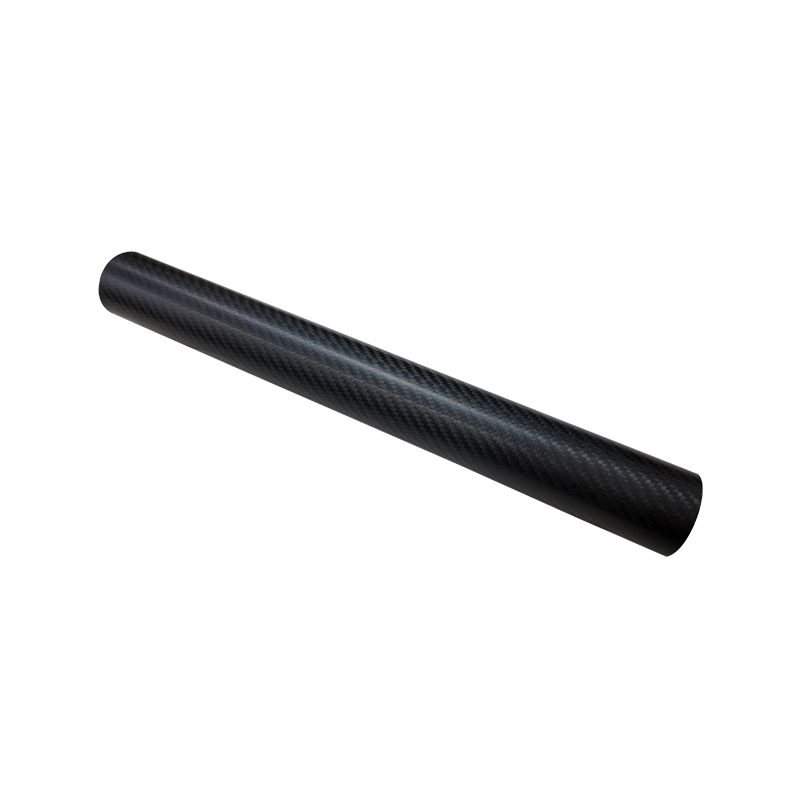
Carbon Steel Roller mainly shapes how material travels after it enters the line. Once the web touches the roller surface, direction begins to depend on roller alignment and surface condition. A rigid roller keeps movement steady and reduces random sideways drift. Material stays closer to its intended path, especially during long runs where small deviations tend to build up over time.
Pneumatic Air Shaft works earlier in the process, where rolls are loaded and released. When air pressure expands inside the shaft, the core grips tightly. That grip helps the roll rotate in a controlled way instead of slipping or shifting during unwinding. Without stable holding force, tension at the beginning of the line becomes uneven, and that unevenness spreads downstream.
Both parts support different stages of the same flow:
- Air shaft controls how material leaves the roll
- Roller guides how material travels forward
- Together they help keep tension from changing too quickly
A stable web line often depends more on these small mechanical roles than on any single adjustment elsewhere in the system.
How Does Carbon Steel Roller Influence Web Stability During Continuous Operation
A Carbon Steel Roller influences web movement mainly through contact stability and alignment control. Once material passes over the roller, its direction follows the roller's position, meaning even slight shifts in alignment can gradually affect the whole line.
Rigid structure helps reduce unwanted movement. When the roller maintains a firm shape under load, material passes over it without sudden deflection. Softer or less stable surfaces may allow small vibrations to pass through, which slowly affects tracking accuracy.
Surface condition also matters. A consistent surface gives material a smooth travel path. If friction changes across different points, tension can vary slightly, especially during longer operation cycles.
Another factor comes from balance during rotation. A well-balanced roller reduces small oscillations that can otherwise transfer into the web. Over time, those oscillations may appear as uneven edges or drifting alignment.
Key influences on stability include:
- Alignment of roller installation
- Surface uniformity across contact area
- Balance during continuous rotation
- Resistance consistency along travel path
| Roller Condition | Effect on Web Movement | Result in Operation |
|---|---|---|
| Stable alignment | Straight material travel | Reduced drift over distance |
| Uneven surface | Variable contact tension | Slight tracking shifts |
| Good balance | Smooth rotation | Lower vibration transfer |
| Misalignment | Direction deviation | Gradual edge wandering |
Even small mechanical differences become more visible when the material length increases during continuous processing.
How Does Pneumatic Air Shaft Support Material Loading And Unwinding Stability
Pneumatic Air Shaft plays a key role at the start of the web process. It holds the roll core and controls how material is released into the system. When air is introduced into the shaft, internal expansion locks the core tightly. That grip keeps the roll centered and stable during rotation.
Stable core holding prevents slippage. Without it, the roll may rotate unevenly, creating tension variation from the beginning of the line. Once tension becomes inconsistent at the source, later stages must constantly correct it, which increases instability across the full path.
Controlled unwinding is another important effect. A stable air shaft allows the roll to release material at a predictable rate. That steadiness helps the rest of the system maintain balance between feeding speed and downstream processing.
Main functional points:
- Core grip stability during rotation
- Controlled release of roll material
- Reduced lateral movement at unwinding stage
- Improved tension consistency at entry point
Simple breakdown of behavior:
- Stable air pressure → firm core grip → steady unwinding
- Weak grip → slip risk → uneven tension spread
- Uneven release → downstream correction load increases
When unwinding remains stable, rollers downstream can focus more on guiding rather than correcting tension irregularities.
How Do Carbon Steel Roller And Pneumatic Air Shaft Work Together In Web Control
Web movement rarely stays stable by itself. It depends on how feeding and guiding behave at different points of the line. Carbon Steel Roller and Pneumatic Air Shaft handle these two ends in a connected way, one starting from the roll, the other shaping the path forward.
At the unwind side, Pneumatic Air Shaft expands inside the roll core and holds it firmly. Once the grip is stable, the roll rotates with fewer sudden shifts. Material enters the line in a calmer state, which reduces early tension swings that often spread through the rest of the process.
After that, Carbon Steel Roller takes control of direction. The web touches the roller surface and begins to follow its alignment. If the roller stays steady, the material tends to keep a straight path. When small movement appears at this stage, it can slowly grow across long running lengths.
The connection between both parts becomes clearer during continuous operation:
- steady unwind reduces early disturbance
- stable feed helps roller guidance stay predictable
- controlled guidance prevents gradual side drift
When either side changes behavior, the other often reacts. A weak grip at the shaft stage makes rollers work harder. Uneven guiding may pull tension back toward the feed section. Balance between both ends keeps the whole line calmer.
How Does Installation Accuracy Influence System Performance
Installation often decides how stable the system feels later during operation. Small differences during setup may not be visible at the beginning, yet they slowly show up after long running time.
Carbon Steel Roller needs straight alignment with the web direction. Even a slight tilt can shift material toward one side. At first the change is small, though over time the drift becomes more obvious as material continues moving through multiple rollers.
Pneumatic Air Shaft depends on correct centering inside the roll core. If the roll sits uneven, rotation will not stay perfectly balanced. That imbalance creates uneven unwinding force, which then travels through the line as tension variation.
Points that often decide installation quality:
- roller axis aligned with travel direction
- shaft centered inside roll core
- stable frame without loose movement
- equal contact across guiding points
Small errors tend to stay hidden at low speed or early stage. Once operation continues for longer periods, the web begins to reveal those deviations through edge movement or uneven tension spread.
What Role Does Maintenance Play In Long Term Web Stability
Over time, every mechanical system changes slightly. Carbon Steel Roller and Pneumatic Air Shaft are no different. Wear, dust, and repeated loading slowly affect how smoothly the system behaves.
For rollers, surface condition matters a lot. Tiny residue from processed material can build up without notice. Once that layer becomes uneven, contact between roller and web is no longer the same across the surface. That difference may not stop production, yet it can affect tracking over distance.
Roller rotation also changes gradually. When bearings start to feel heavier, movement becomes less smooth. That small resistance can pass into the web as slight vibration or tension fluctuation.
For Pneumatic Air Shaft, the key point is grip strength. If air pressure becomes unstable or sealing weakens, the roll core may not stay fully locked. A small slip during unwinding is enough to disturb tension balance at the start of the line.
Maintenance usually focuses on simple but repeated checks:
- cleaning roller surface from buildup
- checking rotation smoothness by hand feel or observation
- confirming air pressure stability inside shaft
- watching for early signs of roll slip
- listening for changes during continuous running
Nothing here is complicated, yet skipping these steps often leads to slow variation in web behavior over time.
What Operational Practices Help Improve Web Processing Stability
Daily operation habits also influence how stable the system behaves. Even when equipment is well set, handling style can change results during long runs.
A smooth start is often more stable than a fast one. When feeding begins too quickly, tension jumps appear at the entry point. That change then moves forward and may affect guiding later in the line.
Speed adjustment also matters. Frequent sudden changes tend to create small disturbances that accumulate. A gradual approach usually keeps the web calmer.
During operation, watching edge position gives early signals. Small sideways movement often appears before full drift becomes visible. Correcting early keeps the system closer to balance.
Simple working habits include:
- starting feed slowly before reaching normal speed
- avoiding sharp changes in roll tension
- checking web edges during running
- making small corrections instead of large adjustments
- keeping roll loading consistent each time
When these habits stay consistent, Carbon Steel Roller and Pneumatic Air Shaft can perform their roles more effectively. The line feels more steady, and material movement becomes easier to control across long production periods.

We specialize in manufacturing aluminum guide rolls, air shafts, steel rolls, rubber rolls, curved rolls, slip shafts, magnetic powder brakes, and other mechanical supporting products.
©2025 Ruian Baixiao Machinery Co., Ltd.

Aluminum Guide Rollers Manufacturer