
 Español
 Deutsch

Why Air Shafts Dominate High-Speed Winding
Faster Core Loading and Changeover Efficiency
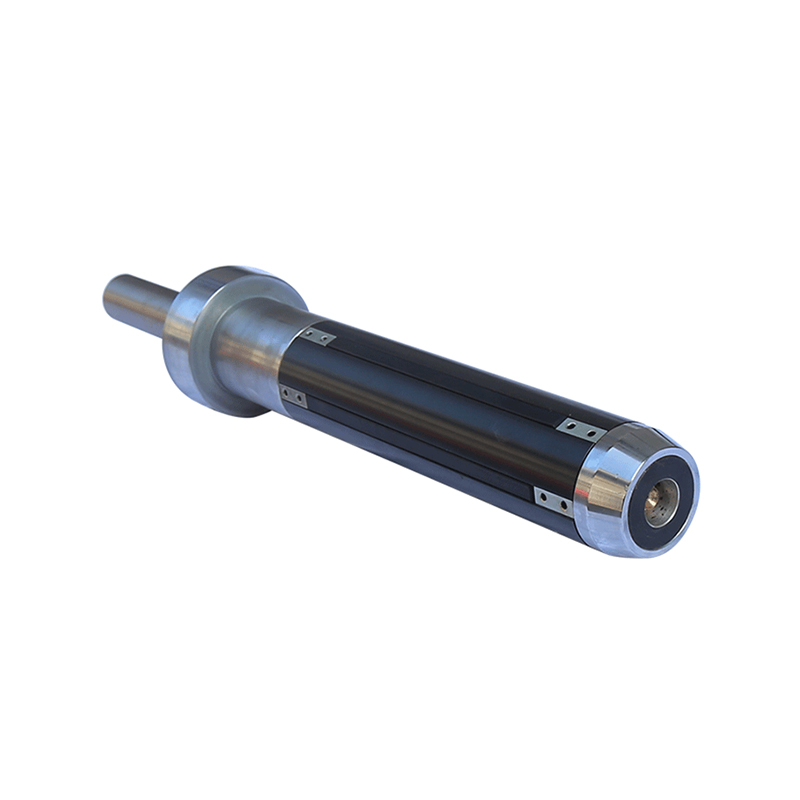
In modern converting and slitting lines, speed and uptime determine profitability. An Air Shaft Factory often highlights quick loading as a key selling point because pneumatic expansion dramatically reduces setup time compared with mechanical locking shafts.
- Rapid inflation mechanism: Operators simply apply air pressure to expand the lugs or strips, gripping the core in seconds.
- Tool-free operation: No manual tightening of bolts or adjusting clamps is required.
- Reduced downtime: Faster roll changeovers directly increase machine productivity in high-speed environments.
Mechanical locking shafts, by contrast, often require manual adjustments, increasing labor time and reducing overall efficiency.
Good Grip Consistency at High Speeds
High-speed winding demands uniform torque transmission and stable core holding. Pneumatic expansion systems offer advantages that mechanical systems struggle to match.
- Even radial pressure distribution: Air pressure expands gripping elements uniformly around the core.
- Self-adjusting compensation: Minor core diameter variations are absorbed by the inflatable structure.
- Reduced slippage risk: Consistent outward pressure ensures stable torque transfer during acceleration and deceleration.
Mechanical locking shafts may create uneven clamping points, especially if wear or improper tightening occurs, increasing the likelihood of imbalance at high rotational speeds.
Improved Dynamic Balance and Reduced Vibration
At high RPM, vibration becomes a major concern. Excessive vibration can damage bearings, reduce roll quality, and compromise safety.
- Lightweight internal structure: Pneumatic designs often have optimized internal chambers that reduce overall mass.
- Symmetrical expansion: Even inflation supports better rotational balance.
- Lower mechanical play: Fewer rigid locking components reduce imbalance risks.
Because mechanical locking systems rely on rigid parts and contact mechanisms, small asymmetries can magnify vibration during fast rotation.
Enhanced Core Protection
In industries such as film, foil, and paper converting, protecting the core from deformation is critical.
- Gentle yet firm expansion: Air-based systems apply distributed pressure rather than concentrated mechanical force.
- Reduced core cracking: Uniform expansion lowers stress concentration points.
- Better compatibility with lightweight cores: Particularly important for thin-wall or recycled materials.
Mechanical locking shafts often exert localized clamping pressure, which may deform or crush sensitive cores during high-torque winding.
Greater Operational Safety
Safety becomes increasingly important as winding speeds rise. Pneumatic systems introduce safety benefits that improve workplace reliability.
- Controlled pressure release: Air can be gradually deflated to ensure safe roll removal.
- Reduced manual strain: Operators avoid heavy mechanical tightening tasks.
- Lower risk of improper locking: Inflation indicators help confirm engagement status.
Mechanical shafts depend heavily on correct manual tightening, increasing the risk of human error.
Maintenance and Long-Term Cost Efficiency
While both systems require maintenance, pneumatic systems are often favored for predictable servicing. An experienced Air Shaft Factory typically designs shafts with replaceable bladders and modular components to simplify repairs.
- Replaceable air bladders: Worn components can be changed without replacing the entire shaft.
- Lower mechanical wear: Fewer rigid moving parts reduce long-term friction damage.
- Consistent performance over time: Properly maintained pneumatic systems maintain stable grip quality.
Mechanical locking shafts may suffer from thread wear, cam deformation, or uneven mechanical fatigue, causing performance inconsistency.
Adaptability to Modern Automation
High-speed production lines increasingly integrate automated tension control and smart monitoring systems.
- Easy integration with pneumatic controls: Air pressure can be monitored and adjusted electronically.
- Compatibility with automated core handling systems: Faster inflation and deflation improve robotic workflows.
- Scalability for advanced converting lines: Particularly important in packaging and flexible material industries.
Mechanical locking shafts lack the same level of automated adjustability, limiting their compatibility with Industry 4.0 manufacturing environments.
Pneumatic expansion systems outperform traditional mechanical locking shafts due to faster changeovers, consistent grip, improved balance, better core protection, enhanced safety, and easier automation integration. As production speeds continue to rise and operational precision becomes more critical, pneumatic shaft solutions remain the preferred choice for manufacturers seeking efficiency, reliability, and long-term cost advantages.

We specialize in manufacturing aluminum guide rolls, air shafts, steel rolls, rubber rolls, curved rolls, slip shafts, magnetic powder brakes, and other mechanical supporting products.
©2025 Ruian Baixiao Machinery Co., Ltd.

Aluminum Guide Rollers Manufacturer