
 Español
 Deutsch

Advantages of Aluminum Guide Rollers Over Steel
Introduction to Aluminum Guide Rollers
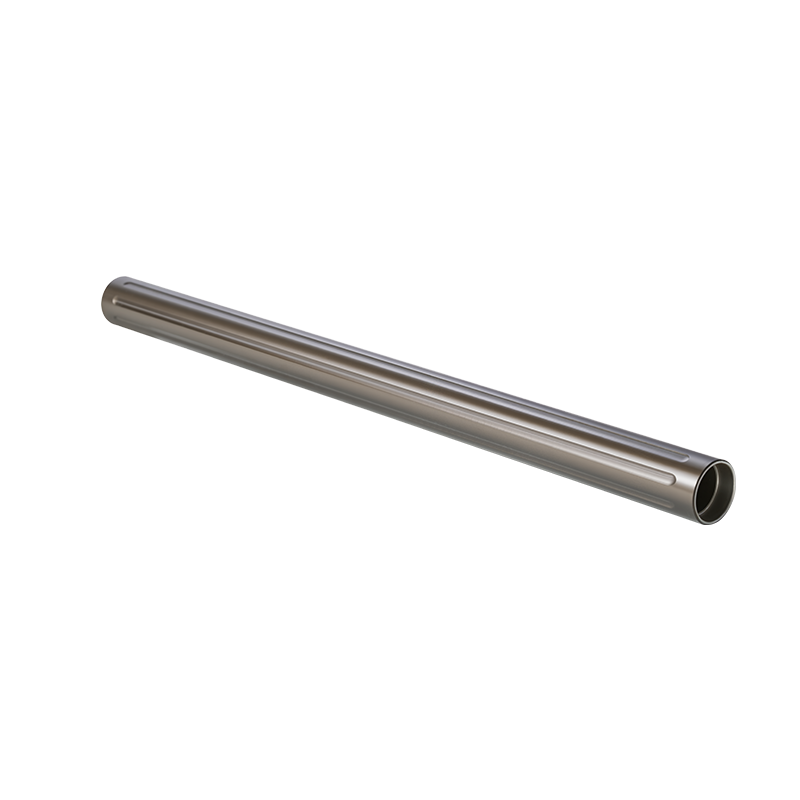
Aluminum guide rollers have become increasingly popular in various industrial applications, especially in material handling, conveyor systems, and automated machinery. Compared to traditional steel guide rollers, aluminum options offer unique benefits that enhance performance and efficiency. Choosing the right Aluminum Guide Roller can significantly impact operational productivity and maintenance costs.
Lightweight Design
One of the obvious advantages of aluminum over steel is its weight:
- Reduced Load on Equipment: Aluminum rollers are lighter, which reduces stress on shafts, bearings, and supporting structures.
- Easier Installation: Lighter rollers are easier to handle during installation or replacement, reducing labor requirements.
- Improved Efficiency: Lower weight translates to reduced energy consumption, especially in high-speed conveyor systems.
Corrosion Resistance
Aluminum naturally forms a protective oxide layer, giving it good corrosion resistance:
- Durable in Harsh Environments: Aluminum rollers perform well in humid or chemically active settings where steel might rust.
- Longer Lifespan: Corrosion resistance ensures that the rollers maintain structural integrity and smooth operation over time.
- Lower Maintenance: Minimal rusting reduces the need for frequent cleaning or coating, saving operational resources.
Thermal Performance
Aluminum exhibits good thermal conductivity, which can be an advantage in certain applications:
- Heat Dissipation: Aluminum rollers dissipate heat quickly, preventing overheating in high-speed or heavy-duty applications.
- Stable Operation: Efficient heat management reduces the risk of bearing failure or deformation due to temperature fluctuations.
- Suitability for High-Temperature Environments: Aluminum rollers can operate reliably where steel rollers may warp or require additional cooling.
Noise Reduction
Aluminum guide rollers tend to operate more quietly compared to steel rollers:
- Reduced Vibration: Aluminum absorbs vibrations better, decreasing operational noise.
- Improved Work Environment: Lower noise levels contribute to a safer and more comfortable industrial environment.
- Enhanced Product Handling: In sensitive production lines, quieter operation reduces potential damage to delicate products.
Customization and Flexibility
Aluminum is easier to machine and shape than steel, allowing for more flexible design options:
- Precision Manufacturing: Aluminum rollers can be fabricated to exact specifications, ideal for unique conveyor layouts.
- Surface Treatment Options: Aluminum can be anodized, coated, or polished for enhanced wear resistance and aesthetics.
- Lightweight Custom Solutions: Industries can design rollers with specific weight and strength requirements without excessive structural reinforcement.
Cost-Effectiveness Over Lifecycle
While aluminum may have a higher initial material cost than low-grade steel, the overall lifecycle benefits are significant:
- Lower Maintenance Costs: Reduced corrosion and wear minimize downtime and part replacement.
- Energy Savings: Lighter rollers decrease energy requirements for motors and drive systems.
- Extended Operational Lifespan: High durability and stability contribute to fewer replacements over time, improving return on investment.
Applications Suited for Aluminum Guide Rollers
Aluminum rollers are particularly advantageous in industries where:
- Weight Sensitivity Matters: Conveyor belts, automated handling systems, and light industrial machinery benefit from reduced load.
- Corrosion is a Concern: Food processing, chemical plants, and outdoor applications require materials resistant to rust.
- Noise Reduction Is Important: Packaging, electronics manufacturing, and laboratories value quieter operation.
- Temperature Management Is Needed: High-speed production lines or heat-sensitive environments require efficient heat dissipation.
Aluminum guide rollers provide a combination of lightweight design, corrosion resistance, thermal performance, noise reduction, and customization options that steel rollers cannot match in many applications. Choosing an Aluminum Guide Roller over steel can cause reduced maintenance, improved energy efficiency, and longer operational life. For industries seeking to optimize conveyor systems, automated machinery, or material handling processes, aluminum rollers offer a practical and efficient solution. Partnering with an experienced roller supplier ensures access to high-quality aluminum guide rollers designed to meet specific operational needs.

We specialize in manufacturing aluminum guide rolls, air shafts, steel rolls, rubber rolls, curved rolls, slip shafts, magnetic powder brakes, and other mechanical supporting products.
©2025 Ruian Baixiao Machinery Co., Ltd.

Aluminum Guide Rollers Manufacturer