
 Español
 Deutsch

Surface Treatment Methods and Benefits for Aluminum Guide Rollers
Aluminum Guide Roller Surface Treatments
Aluminum Guide Rollers are widely used in industrial applications such as printing, packaging, textile processing, and plastic film production. Their performance and durability are heavily influenced by the surface treatment applied during manufacturing. Proper surface treatment enhances wear resistance, corrosion protection, and friction control, ensuring the roller maintains consistent functionality over long production cycles.
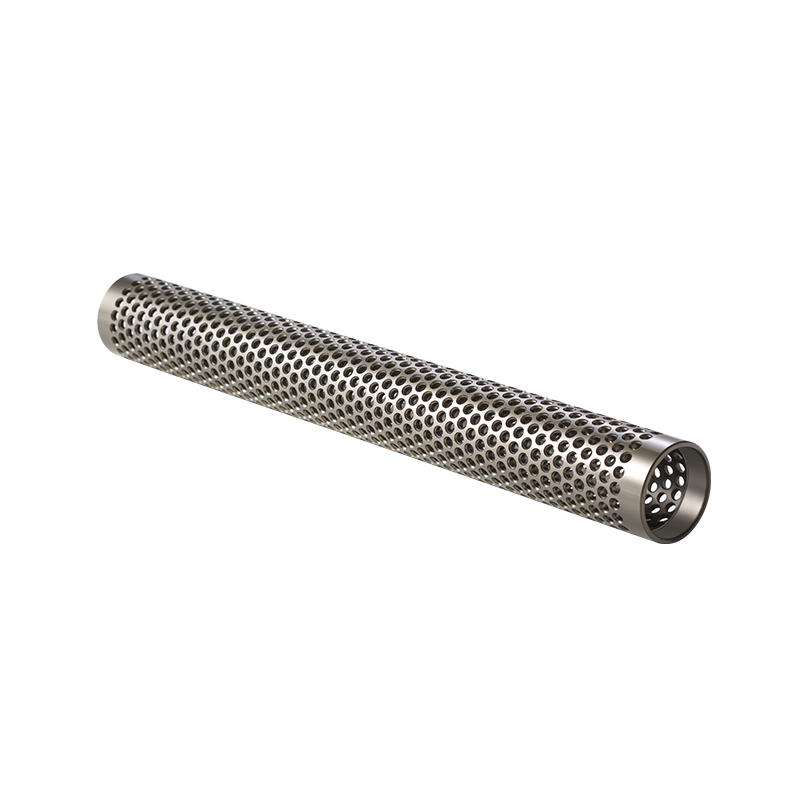
Anodizing: Enhancing Hardness and Corrosion Resistance
Anodizing is one of the common surface treatments for aluminum guide rollers. This electrochemical process thickens the natural oxide layer on the aluminum surface, improving hardness and corrosion resistance. Anodized surfaces can withstand exposure to moisture, chemicals, and industrial cleaning agents, which extends the roller’s service life. Additionally, anodizing provides a uniform, smooth finish that reduces surface friction and enhances material guidance, especially for delicate substrates such as plastic films or paper. Colored anodizing is also possible, allowing for identification or aesthetic purposes without compromising performance.
Powder Coating and Paint: Protection and Friction Control
Powder coating and liquid paint are alternative surface treatments that provide both protective and functional benefits. Powder coating involves applying a dry polymer powder to the roller surface and then curing it at high temperatures. This forms a durable, impact-resistant layer that protects against scratches, abrasion, and chemical attack. Painted surfaces similarly provide corrosion resistance while allowing manufacturers to control surface texture and friction properties. Coatings can be engineered to optimize grip or reduce static, depending on the material being processed. These treatments are especially useful in environments where the rollers are exposed to repeated handling or aggressive cleaning.
Hard Coatings: Wear Resistance for High-Load Applications
In high-speed or heavy-load industrial operations, hard coatings such as titanium nitride (TiN), chrome plating, or ceramic layers are often applied to aluminum guide rollers. These coatings significantly increase surface hardness, reducing wear from constant contact with belts, films, or paper. Hard coatings also reduce deformation under load, maintaining consistent roller diameter and alignment. The combination of hardness and low friction makes these rollers suitable for precision applications where even minor surface irregularities could affect product quality. Although more expensive than anodizing or powder coating, hard coatings are critical for industrial environments demanding extended roller life.
Surface Polishing and Texturing: Fine-Tuning Friction
Mechanical polishing and surface texturing are additional treatments that influence roller performance without adding layers. Polishing smooths the aluminum surface, reducing friction and preventing material sticking or abrasion during operation. In some applications, a controlled surface texture is applied to guide materials accurately or to reduce slippage. Micro-texturing can also enhance the adhesion of secondary coatings or lubricants, further improving roller function. These treatments are often combined with anodizing or powder coating to achieve a balance of durability, corrosion resistance, and friction control.
Surface treatments for aluminum guide rollers play a crucial role in ensuring performance, longevity, and reliability in industrial applications. Anodizing enhances hardness and corrosion resistance, powder coatings and paints provide protection and friction control, hard coatings improve wear resistance for high-load environments, and surface polishing or texturing fine-tunes roller behavior. By selecting the appropriate surface treatment for the operational environment and material being processed, manufacturers can improve roller efficiency, reduce maintenance costs, and ensure consistent product quality. Careful consideration of these treatments ensures that aluminum guide rollers remain effective and durable throughout their service life.

We specialize in manufacturing aluminum guide rolls, air shafts, steel rolls, rubber rolls, curved rolls, slip shafts, magnetic powder brakes, and other mechanical supporting products.
©2025 Ruian Baixiao Machinery Co., Ltd.

Aluminum Guide Rollers Manufacturer