
 Español
 Deutsch

Comparing Differences of Rubber Roller Under Loads
Importance of Load Performance
Rubber rollers are widely used in industrial machinery, printing, coating, and conveyor systems. Their performance under varying load conditions significantly affects operational efficiency, product quality, and equipment longevity. Understanding how a Rubber Roller behaves under light and heavy loads helps engineers and operators select the right roller for specific applications, ensuring stability, durability, and smooth operation.
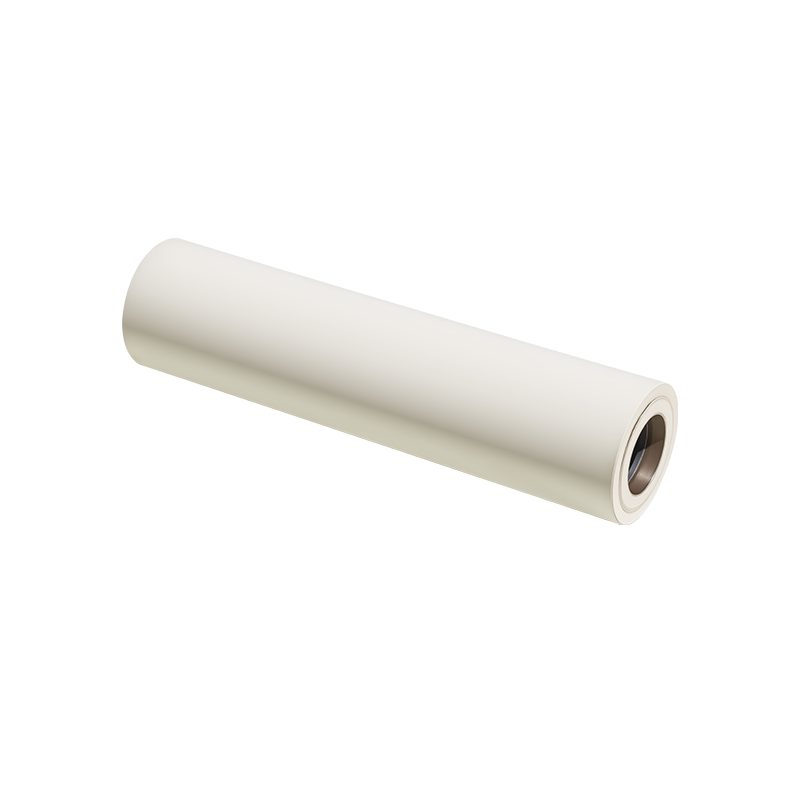
Material Properties and Load Response
The composition of the rubber and core material directly influences performance under different loads. In light-load conditions, a softer rubber with high elasticity allows the roller to maintain good contact with the surface, ensuring smooth operation and consistent product handling. Under heavy loads, the same soft roller may deform excessively, causing uneven pressure distribution, reduced precision, or accelerated wear. Harder rubber or reinforced cores provide additional support, maintaining structural integrity and performance under high-load conditions.
Deformation and Deflection Differences
Light-load operation typically results in deformation of a Rubber Roller. This ensures uniform pressure distribution and stable contact with the conveyor or substrate. In contrast, heavy-load conditions increase deflection and flattening, especially in rollers with smaller diameters or softer rubber. Excessive deflection can cause uneven material movement, vibration, and higher stress on bearings or shafts. Choosing a roller with appropriate hardness, wall thickness, and diameter helps mitigate these issues, allowing reliable operation across varying loads.
Friction and Traction Performance
Friction between the roller surface and the material it contacts is crucial for both light and heavy loads. Under light loads, traction is generally sufficient even with softer rubber, resulting in smooth motion and slippage. Heavy loads increase contact pressure, which can enhance traction but also increase surface wear and heat generation. The choice of rubber durometer and surface texture must balance grip and durability to optimize performance under both loading conditions.
Bearing and Shaft Considerations
The performance of a Rubber Roller under varying loads is closely tied to its bearings and shaft assembly. Light loads generate lower stress on bearings, requiring less robust support. Heavy loads, however, impose higher radial and axial forces, necessitating high-quality bearings and reinforced shafts to prevent bending or misalignment. Proper lubrication and precision installation further ensure consistent performance and extend roller life.
Applications and Load-Specific Uses
Rubber rollers in light-load applications, such as packaging lines, printing, or light material handling, benefit from high elasticity and low rolling resistance. In heavy-load scenarios, such as industrial conveyors, metal sheet processing, or high-pressure laminating, reinforced or harder rubber rollers maintain performance and resist deformation. Selecting the appropriate roller for the intended load ensures operational efficiency, product quality, and reduced downtime.
Maintenance and Longevity
Maintenance requirements vary depending on load conditions. Light-load rollers generally experience slower wear, requiring routine inspection and minimal maintenance. Heavy-load rollers face higher stress and wear rates, necessitating more frequent monitoring for deformation, surface damage, and bearing integrity. Regular cleaning, lubrication, and replacement schedules optimize performance and extend service life, regardless of the load conditions.
Selecting the Right Roller for Loads
Rubber Roller performance differs significantly between light and heavy-load conditions. Material hardness, roller diameter, core reinforcement, bearing quality, and surface texture all influence load response, deflection, traction, and wear. Proper selection and maintenance ensure that rubber rollers provide stable, durable, and efficient operation across a range of industrial applications, meeting both light and heavy-load requirements without compromising performance or longevity.

We specialize in manufacturing aluminum guide rolls, air shafts, steel rolls, rubber rolls, curved rolls, slip shafts, magnetic powder brakes, and other mechanical supporting products.
©2025 Ruian Baixiao Machinery Co., Ltd.

Aluminum Guide Rollers Manufacturer