
 Español
 Deutsch

How Aluminum Guide Roller Improves Surface Contact Control
Continuous materials pass through rollers during conveying, coating, printing, winding, and other production processes. Film, paper, foil, and similar materials need to stay in a controlled position as they move from one part of the line to another. The condition of each contact point can affect how smoothly that movement takes place.
A guide roller is a simple-looking component, yet several physical factors influence its contact with the material. Roller weight, surface finish, alignment, and rotation all have a role. A change in one area can affect the way the material behaves at the contact surface.
Aluminum is often considered for roller construction when a lighter rotating body is useful. Surface treatment can then change the condition of the outer layer, giving the roller a working surface suited to repeated contact. The two aspects are related, since the way a roller rotates and the way its surface meets the material happen at the same time.
Why Does Surface Contact Control Matter in Web Handling
The material needs to pass over a guide roller while remaining in a stable position. Contact is not simply a matter of keeping the material against the roller. The roller must rotate in response to the material while the surface provides a suitable interaction between the two.
A difference in movement can cause the material to slide against the roller rather than travel with it. Repeated rubbing may leave marks on a sensitive surface. Uneven contact across the material width can also affect how tension is distributed as the web continues through the machine.
The contact condition can be influenced by several factors:
- Roller surface condition
- Rotation quality
- Material characteristics
- Roller alignment
- Material tension
- Cleanliness around the contact area
Different materials respond in different ways. Thin film may be sensitive to surface marks, while paper can respond to changes in friction and tension. Foil may also require careful handling because surface damage can affect its later processing.
For that reason, contact control needs to be considered as part of the whole material path rather than as an isolated roller function. A smooth surface cannot compensate for poor alignment, while accurate alignment does not remove the effects of a damaged roller surface.
Roller construction also enters the picture because its rotating mass influences how quickly it reacts when material speed changes.
How Does an Aluminum Guide Roller Respond to Speed Changes
An Aluminum Guide Roller has a relatively light rotating body. Less rotating mass generally means that the roller can change its rotational movement with less resistance.
The difference can be noticed when the material accelerates or slows down. The roller needs to adjust its rotation along with the moving web. When the roller continues at a different speed for a short period, sliding can occur at the contact surface.
A lighter roller body can respond more readily to changes in material movement. The rotational speed can therefore stay closer to the movement of the material during acceleration and deceleration. A closer match can help maintain a more stable contact condition.
The same idea applies when equipment slows down. A heavier rotating body has more stored rotational movement and may take longer to respond. Reducing the rotating mass can make the change in movement easier to manage.
Roller weight is still only one part of the situation. Bearings, alignment, balance, material tension, and the condition of the surrounding equipment also affect rotation. The practical value of a light roller becomes clearer when all of these factors are considered together.
How Can Low Rotational Inertia Reduce Web Tension Changes
Material tension can change when the web and roller do not respond to movement changes at the same pace. A roller with greater rotating mass may resist a change in speed, creating a temporary difference between the material movement and roller rotation.
A lighter rotating structure can adjust more easily. During acceleration, the roller can increase its rotation with less resistance. During deceleration, it can also slow down more readily. Keeping the two movements closer together can reduce unnecessary changes in the contact condition.
The relationship can be viewed in a straightforward way:
Material speed changes → roller rotation adjusts → surface movement stays closer to the material → tension changes can be moderated.
The effect becomes relevant when several rollers are arranged along one material path. Changes at one contact point can influence the condition of the web as it moves toward the next roller.
Low rotational inertia does not eliminate tension variation. Material stiffness, machine settings, bearing condition, alignment, and other parts of the system remain involved. It simply gives the roller less resistance to changes in rotational movement.
Surface condition matters at the same time. A roller may respond quickly to speed changes, yet a rough, contaminated, or damaged surface can still interfere with material movement. The focus therefore shifts naturally from the rotating body to the surface that actually touches the material.
Which Surface Conditions Affect Contact Between the Roller and Material
The roller surface is the physical point of contact with the moving material. Its condition can change through use, cleaning, friction, contamination, or accidental damage.
A consistent working surface allows the material to move across the roller without sudden changes in contact. Scratches or worn areas can create local differences. Dirt, adhesive residue, and other deposits may also change the way the material interacts with the roller.
Several common conditions deserve attention:
| Surface Condition | Possible Effect on Material Contact |
|---|---|
| Smooth working surface | More even contact during material movement |
| Scratched area | Greater possibility of surface marks |
| Dirt or residue | Local changes in surface interaction |
| Uneven wear | Differences in contact across the roller |
| Damaged edge | Possible interference with material movement |
Cleaning is therefore part of routine contact control. The cleaning method needs to be compatible with the roller finish and the material being processed. Excessive friction during cleaning can also change a surface that was originally prepared for controlled contact.
Surface finish can vary according to the application. Some materials require a smooth working surface, while other processes may use a particular texture or groove arrangement to influence material movement.
For aluminum rollers, surface treatment provides another way of controlling the condition of the working surface during repeated use.
How Does Hard Anodizing Change Aluminum Roller Surface Performance
A Hard Anodized Aluminum Roller combines an aluminum roller body with a treated outer surface. Hard anodizing changes the surface of aluminum by forming an oxide layer. The treated surface can provide greater resistance to everyday wear than untreated aluminum, which is relevant where the roller remains in repeated contact with moving material.
For guide roller applications, surface wear is more than a cosmetic concern. Changes to the working surface can affect friction and the way material passes over the roller. A surface that develops scratches, deposits, or uneven wear may create different contact conditions across the material path.
Hard anodizing can help maintain a stable surface condition during repeated contact. The actual result still depends on the finish, material being handled, roller design, and working environment.
Surface treatment should therefore be considered together with the rest of the roller:
- The condition of the treated surface
- Roller alignment
- Rotation quality
- Material characteristics
- Cleanliness
- Installation condition
A finish that works well for one material may require a different approach for another. Sensitive film, paper, foil, and other materials can have different surface requirements, so the roller finish needs to match the contact conditions involved.
Once the rotating body and working surface are considered together, roller alignment and rotation become the next part of the contact picture. Even a suitable surface can behave differently when the roller is not positioned correctly or does not rotate evenly.
How Does Roller Alignment Change Surface Contact
A suitable roller surface can still produce uneven contact when the roller is not correctly positioned. Alignment affects the path followed by the material as it moves through the equipment. A small change in roller position can alter the contact area and may cause the material to move toward one side.
Parallel positioning is particularly relevant when a roller spans the width of a moving web. When one side sits differently from the other, contact may not remain consistent across the material. The resulting movement can influence tension and may create wrinkles or marks along the material edge.
Installation checks can therefore include:
- Position of the roller relative to nearby rollers
- Condition of mounting points
- Smoothness of rotation
- Material path across the roller
- Signs of uneven contact
Alignment also needs to be considered after maintenance. Removing and reinstalling a roller can change its position slightly, even when the roller itself has not been modified. Checking the material path after maintenance helps identify such changes before regular operation continues.
How Does Smooth Roller Rotation Support Even Contact
Rotation connects the roller body with the moving material. When the roller turns smoothly, the contact surface can move at a more consistent speed. Irregular rotation may create changing contact conditions, particularly when the material is sensitive to tension or surface movement.
Bearing condition has a role here. Dirt, wear, or damage around the rotating support can affect how freely the roller turns. A problem in the bearing area may not always be visible from the outside, so unusual noise, resistance, or changes in material movement can provide useful signs during inspection.
Balance also matters. A roller that does not rotate evenly can place changing pressure on the material as it moves. When the roller remains balanced and turns smoothly, the contact condition can stay more uniform.
The combination of a light rotating structure and smooth support can make speed changes easier to manage. The surface then remains in contact with the material while the roller adjusts to changes in movement.
How Can Stable Contact Help Control Material Tension
Material tension is affected by the interaction between movement, roller rotation, and the material path. When contact remains relatively consistent, the pulling force across the material can be distributed more evenly.
Uneven contact can have several visible effects. One area may experience greater pulling than another, which can contribute to local stretching or wrinkles. Edge areas can also be affected when the material gradually shifts sideways during movement.
A stable contact condition does not depend on one roller feature. It comes from several parts working together:
Responsive rotation + suitable surface + correct alignment + steady support = more consistent material movement
An Aluminum Guide Roller can contribute through its lightweight rotating body, while surface treatment and installation condition influence the contact that takes place around it.
The actual material also needs to be considered. A thin film, paper web, or metal foil may respond differently to changes in contact and tension. Roller selection therefore needs to reflect the characteristics of the material rather than relying on a single design approach.
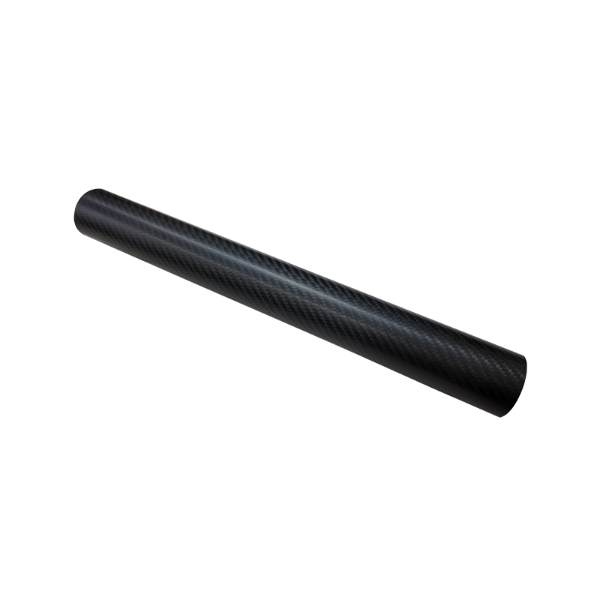
What Roller Surface Designs Suit Different Material Conditions
Materials vary in flexibility, surface sensitivity, thickness, and resistance to friction. A roller surface that suits one application may not provide the same contact condition for another.
Film may require attention to scratches and surface marks. Paper can be affected by moisture, dust, and changes in friction. Foil may need a carefully controlled contact surface because marks or uneven movement can influence later processing.
When selecting a roller surface, several questions can help narrow the requirements:
- Does the material have a sensitive outer surface?
- Is repeated contact expected?
- Could dust or residue collect on the roller?
- Does the material need a smooth release from the surface?
- Will the roller operate through frequent speed changes?
A Hard Anodized Aluminum Roller may be considered when a treated aluminum surface is appropriate for the working conditions. The treatment can help the surface resist wear, while the underlying aluminum construction retains the characteristics associated with a lighter rotating body.
Surface treatment still needs to match the material. Contact pressure, cleanliness, roller finish, and material behavior all influence the final result.
What Should Be Checked When Surface Contact Changes
A change in material movement can have several possible causes, so checking the roller alone may not reveal the full situation. Inspection can begin with the contact surface and then move outward toward the roller assembly and material path.
Visible scratches, residue, worn sections, or damaged areas should be noted. The roller can also be checked for smooth rotation and unusual resistance. Mounting points and alignment should be reviewed when the material appears to move sideways or contact one area differently from another.
For regular maintenance, attention can be given to:
- Roller surface cleanliness
- Surface wear and visible damage
- Bearing and rotating support condition
- Roller alignment
- Material contact marks
- Changes in material movement
The condition of a Hard Anodized Aluminum Roller also needs to be monitored over time. Surface treatment can resist wear, yet it does not prevent contamination, mechanical damage, or changes caused by unsuitable handling.
A clean surface, steady rotation, suitable alignment, and an appropriate roller finish work together to keep contact conditions under control. The choice of an Aluminum Guide Roller should therefore be linked to the material, machine arrangement, speed changes, and maintenance conditions rather than considered separately from the rest of the web-handling process.

We specialize in manufacturing aluminum guide rolls, air shafts, steel rolls, rubber rolls, curved rolls, slip shafts, magnetic powder brakes, and other mechanical supporting products.
©2025 Ruian Baixiao Machinery Co., Ltd.

Aluminum Guide Rollers Manufacturer