
 Español
 Deutsch

Corrosion Resistance of Expansion Shaft in Harsh Environments
Importance of Corrosion Resistance
Expansion shafts are widely used in construction, mechanical assemblies, and industrial installations where secure anchoring is essential. In chemical plants, marine facilities, or coastal infrastructures, corrosion is a critical concern that can compromise structural integrity and safety. Evaluating the corrosion resistance of an Expansion Shaft in these harsh environments is vital for ensuring long-term reliability, reducing maintenance costs, and preventing failures.
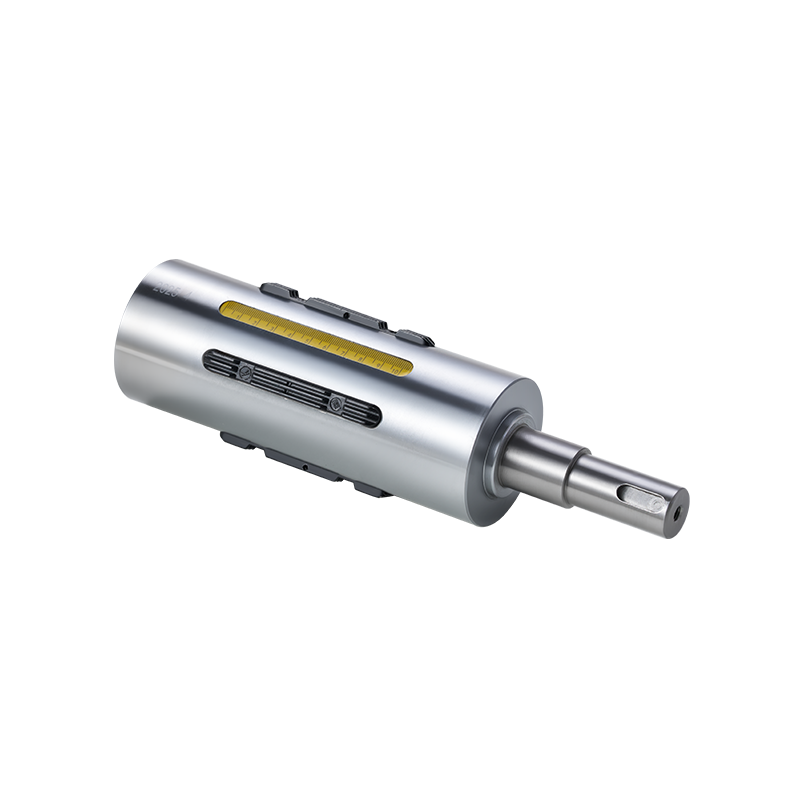
Material Selection for Harsh Environments
The corrosion resistance of an Expansion Shaft largely depends on the material used. High-quality stainless steel alloys, such as 316 or duplex stainless steel, are commonly chosen for applications in chemical and marine environments. These materials provide good resistance to chloride ions, acids, and other corrosive agents found in seawater or industrial chemicals. Lower-grade metals, such as mild steel or untreated carbon steel, are prone to rust and degradation, making them unsuitable for prolonged exposure to aggressive conditions. Selecting the right material is therefore the one step in ensuring durability and performance.
Protective Coatings and Surface Treatments
Even with corrosion-resistant materials, additional protective measures enhance the lifespan of an Expansion Shaft. Electroplating, galvanization, or specialized anti-corrosion coatings create a barrier that prevents direct contact with corrosive agents. Passivation treatments further improve resistance by forming a protective oxide layer on the metal surface. In marine or chemical applications, these surface enhancements are critical for preventing pitting, crevice corrosion, and surface degradation, thereby maintaining the mechanical integrity of the shaft over time.
Design Considerations for Corrosion Prevention
Design features of an Expansion Shaft also influence its performance in corrosive environments. Smooth surfaces, rounded edges, and uniform wall thickness reduce areas where water, salt, or chemicals could accumulate, reducing localized corrosion. Proper sizing and tolerances ensure that the shaft distributes load evenly, avoiding stress concentrations that may exacerbate corrosion effects. Manufacturers specializing in Expansion Shafts often incorporate these design principles to improve reliability in aggressive environments.
Environmental and Operational Factors
The actual operating environment significantly affects the corrosion rate of an Expansion Shaft. Factors such as temperature, pH, salinity, and exposure duration must be considered. In marine settings, continuous contact with saltwater and airborne chlorides can accelerate corrosion. Similarly, chemical plants may expose shafts to acids, alkalis, or solvents that require enhanced material properties. Choosing the appropriate alloy, surface treatment, and installation practices tailored to the specific environment ensures durability and reduces the risk of failure.
Maintenance and Longevity
Regular inspection and maintenance are essential for maintaining corrosion resistance in harsh environments. Cleaning to remove salt deposits, chemical residues, and debris prevents localized attack. Periodic coating inspection and reapplication, when necessary, can further extend service life. A well-manufactured Expansion Shaft, combined with proper maintenance, can provide reliable performance over decades, even in aggressive chemical or marine settings.
Ensuring Long-Term Reliability
The corrosion resistance of an Expansion Shaft in chemical or marine environments depends on careful material selection, protective surface treatments, thoughtful design, and regular maintenance. High-quality stainless steel alloys, combined with coatings and passivation, offer good resistance to chloride and chemical exposure. Considering environmental conditions and implementing proper upkeep ensures that expansion shafts remain durable, safe, and effective in demanding applications, providing peace of mind for engineers and facility operators alike.

We specialize in manufacturing aluminum guide rolls, air shafts, steel rolls, rubber rolls, curved rolls, slip shafts, magnetic powder brakes, and other mechanical supporting products.
©2025 Ruian Baixiao Machinery Co., Ltd.

Aluminum Guide Rollers Manufacturer