
 Español
 Deutsch

Avoiding Misalignment in Expansion Shaft Installation
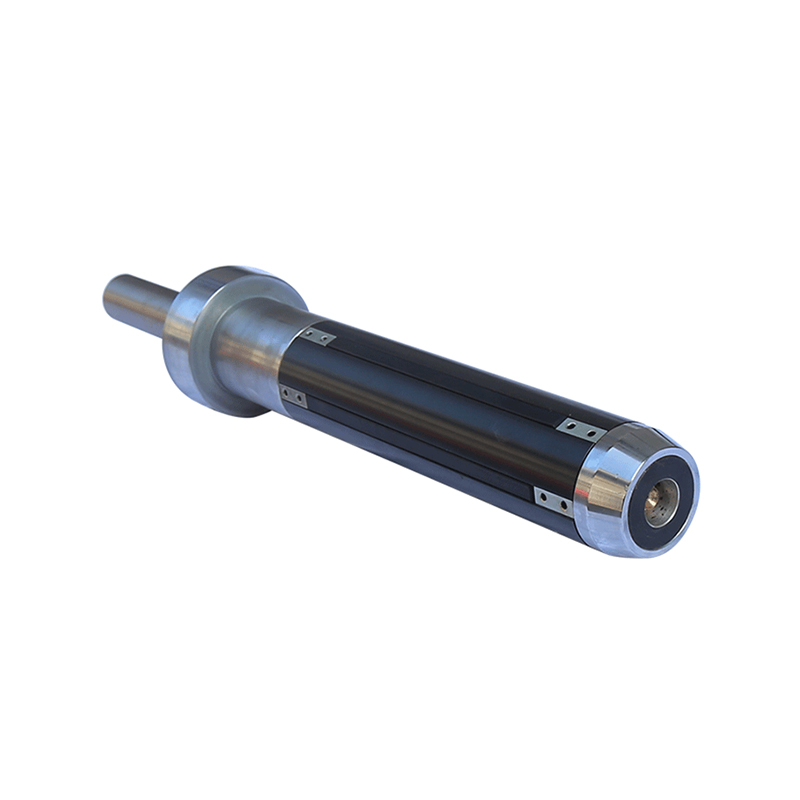
Proper installation of an expansion shaft is crucial for ensuring suitable performance and preventing equipment issues. Misalignment or eccentric rotation can cause vibrations, premature wear, and operational inefficiencies. For companies sourcing from a reputable Expansion Shaft Factory, understanding installation techniques and practices is essential for maintaining machinery longevity and performance.
1. Pre-Installation Inspection
- Check Shaft Dimensions: Ensure that the expansion shaft meets the required specifications, including diameter, length, and tolerance levels. Minor deviations can cause eccentricity during installation.
- Inspect End Faces: Examine the shaft’s end faces and surfaces for scratches, burrs, or deformation, which can affect alignment and create vibration points.
- Verify Component Compatibility: Confirm that bearings, hubs, and other mating components are compatible with the expansion shaft to prevent stress or misalignment.
2. Proper Mounting Surface Preparation
- Clean Mounting Areas: Remove any dust, debris, or rust from bearing seats and hub surfaces. Contaminants can prevent the shaft from seating evenly.
- Check Surface Flatness: Ensure that mounting surfaces are level and flat. Irregular surfaces can force the shaft to sit eccentrically.
- Lubricate Contact Areas: Apply the appropriate lubricants on mating surfaces to allow smooth fitting and reduce friction during installation.
3. Correct Alignment Techniques
- Use Dial Indicators: Employ precision dial indicators to measure shaft runout and ensure that the expansion shaft is concentric with the system axis.
- Gradual Tightening: When securing hubs or clamps, tighten bolts gradually in a crisscross pattern to evenly distribute pressure and prevent shaft tilt.
- Check Bearing Positioning: Properly seat bearings and avoid forcing them into place. Misaligned bearings can create eccentric rotation and vibration.
4. Use of Temporary Supports
- Support the Shaft During Installation: Use temporary supports or jigs to hold the shaft in position before final tightening. This prevents bending or sagging that could cause misalignment.
- Maintain Shaft Centering: Adjust supports to ensure the shaft is centered within the assembly, avoiding lateral shifts that cause vibration at high speed.
- Monitor Deflection: Measure any deflection along the shaft length to confirm that the support is even and balanced.
5. Controlled Expansion
- Uniform Inflation: For air or pneumatic expansion shafts, ensure uniform inflation to avoid uneven radial expansion that can result in eccentric rotation.
- Monitor Internal Pressure: Adjust internal air or hydraulic pressure gradually while checking concentricity. Sudden expansion may misalign the shaft.
- Check Expansion Fit: Confirm that the shaft expands evenly within the core or hub, maintaining balance throughout its length.
6. Vibration Testing and Adjustment
- Initial Spin Test: Rotate the expansion shaft slowly after installation to detect any irregularities or vibrations.
- Use Vibration Sensors: Install temporary sensors to monitor real-time vibration levels during test runs.
- Fine-Tuning Alignment: Make small adjustments to the hub position or bearing alignment until vibration is observed.
7. Operational Practices
- Gradual Start-Up: Avoid running the machinery at full speed immediately. Gradual acceleration allows the shaft to settle and reduces dynamic stress.
- Periodic Checks: Conduct regular inspections of alignment and runout, especially after prolonged operation or maintenance.
- Record Installation Data: Keep a record of alignment measurements, bolt torque, and inflation pressure for reference during future maintenance.
Avoiding misalignment and vibration in expansion shaft installation is a combination of careful preparation, precise measurement, controlled assembly, and monitoring. By following practices, industrial operators can significantly extend the lifespan of machinery, improve production efficiency, and reduce maintenance costs. Sourcing high-quality products from a reliable Expansion Shaft Factory ensures that components meet the necessary tolerances and design standards for successful installation. Proper installation not only enhances performance but also safeguards the integrity of the entire mechanical system.

We specialize in manufacturing aluminum guide rolls, air shafts, steel rolls, rubber rolls, curved rolls, slip shafts, magnetic powder brakes, and other mechanical supporting products.
©2025 Ruian Baixiao Machinery Co., Ltd.

Aluminum Guide Rollers Manufacturer