
 Español
 Deutsch

Ensuring Air Shaft Stability at High-Speed Operations
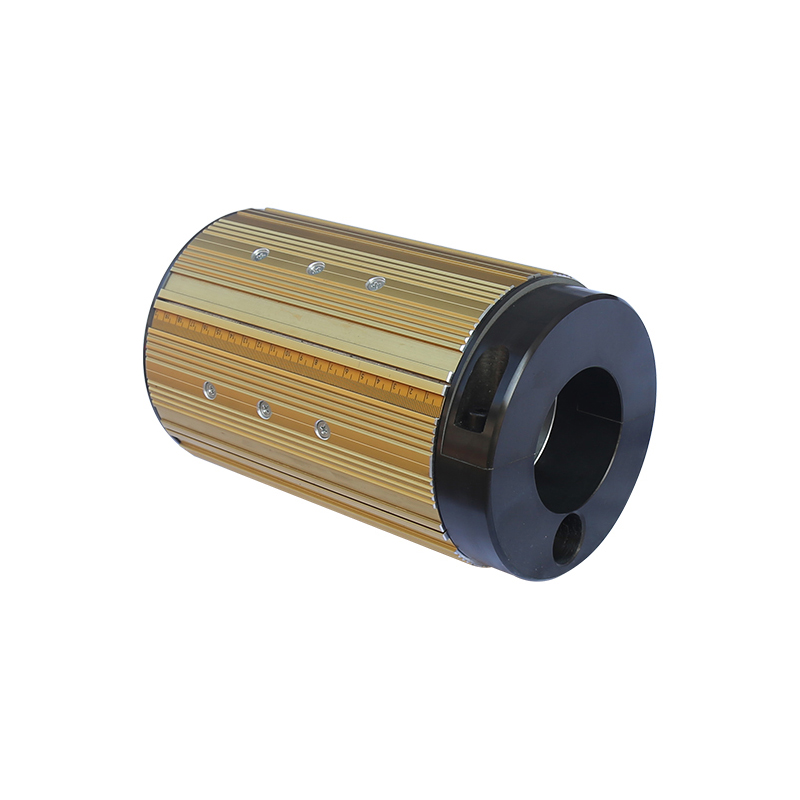
High-speed machinery relies heavily on the efficiency and reliability of its components. One critical element in many industrial processes is the air shaft, used widely in rolling, winding, and other rotational applications. Ensuring the stability of an air shaft under high-speed conditions is essential for preventing mechanical failures, improving productivity, and reducing maintenance costs. For manufacturers and buyers sourcing from an Air Shaft Factory, understanding the factors influencing stability is paramount.
1. Precision Manufacturing and Material Quality
- High-Quality Materials: The stability of an air shaft begins with the materials used in its construction. High-grade steel or aluminum alloys with proper hardness and tensile strength help resist deformation at high rotational speeds.
- Precision Machining: Accurate machining ensures that the shaft maintains good concentricity. Even minor deviations in diameter or roundness can cause vibrations that compromise stability.
- Surface Treatment: Techniques like anodizing, hard chrome plating, or polishing reduce surface friction and wear, maintaining consistent performance during high-speed operation.
2. Balancing and Alignment
- Dynamic Balancing: Air shafts must be dynamically balanced to prevent uneven rotation. This involves distributing mass evenly along the shaft to avoid centrifugal forces that cause vibrations.
- Alignment Checks: Proper alignment with other components in the system, such as rollers or bearings, reduces lateral forces that could destabilize the shaft. Regular alignment inspections are crucial for sustained high-speed performance.
- Use of Vibration Sensors: Modern systems often integrate vibration sensors to monitor real-time imbalance, allowing for preventive adjustments before critical failures occur.
3. Air Pressure Control
- Uniform Inflation: Many air shafts rely on internal air pressure to expand and contract. Uneven inflation can cause eccentricity, causing instability during high-speed operation. Ensuring consistent air distribution is vital.
- Pressure Regulation: High-speed operations may require adjusting internal pressure to match rotational demands. Using precise pressure regulators helps maintain suitable shaft performance.
- Leak Prevention: Even small leaks can alter the expansion balance. Regular inspection of seals, gaskets, and end caps is necessary to prevent pressure drops.
4. Bearing and Support Systems
- High-Speed Bearings: Selecting bearings rated for high rotational speeds ensures the shaft rotates smoothly without excessive friction or heat generation.
- Lubrication Maintenance: Proper lubrication reduces wear and heat buildup, which could otherwise destabilize the shaft. High-performance lubricants suitable for high RPMs are recommended.
- Support Rigidity: The shaft must be supported by rigid and vibration-resistant frames. Any flexing or movement in the support structure can amplify instability.
5. Operational Practices
- Gradual Acceleration: Sudden speed increases can introduce shock loads that destabilize the air shaft. Gradual acceleration allows components to adjust to high-speed motion.
- Regular Maintenance Cycles: Scheduled inspections of air shafts, bearings, and pressure systems prevent unforeseen instability. Maintenance should include cleaning, lubrication, and checking for wear or deformation.
- Monitoring Temperature: High-speed rotation generates heat, which can cause thermal expansion and affect stability. Temperature monitoring and cooling systems can mitigate these effects.
6. Design Considerations for High-Speed Stability
- Lightweight and Rigid Construction: A shaft that is both lightweight and rigid reduces centrifugal forces while maintaining structural integrity.
- Optimized Air Flow Channels: Proper internal design ensures smooth air movement, reducing the risk of pressure fluctuations that could destabilize the shaft.
- Modular Components: Modular designs allow for easy replacement of worn or damaged parts without disturbing the alignment of the entire system.
High-speed stability of an air shaft is not determined by a single factor but by a combination of precision manufacturing, dynamic balancing, air pressure control, bearing support, operational best practices, and thoughtful design. Manufacturers sourcing from a reputable Air Shaft Factory can ensure that the products meet rigorous quality standards necessary for high-speed performance.

We specialize in manufacturing aluminum guide rolls, air shafts, steel rolls, rubber rolls, curved rolls, slip shafts, magnetic powder brakes, and other mechanical supporting products.
©2025 Ruian Baixiao Machinery Co., Ltd.

Aluminum Guide Rollers Manufacturer