
 Español
 Deutsch

Role of Rubber Rollers in Light Load Transport Systems
Introduction to Rubber Rollers
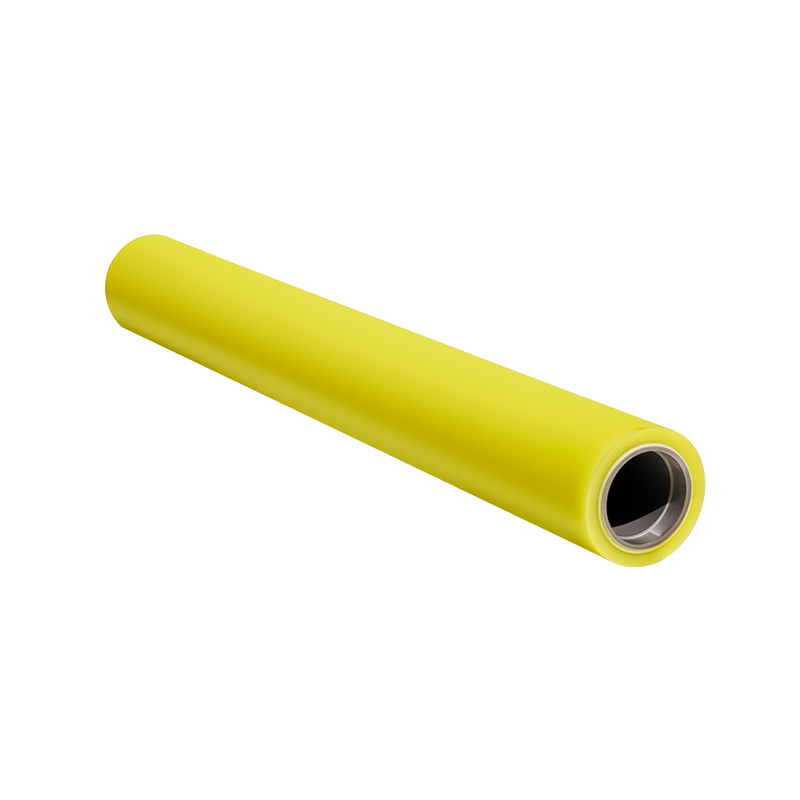
Rubber rollers are crucial components in light-load transport systems, such as small conveyor belts, packaging lines, and assembly equipment. These rollers provide essential support and guidance for moving materials efficiently. Working with a reliable Rubber Roller Factory ensures that the rollers meet performance standards for various industrial applications.
Material Advantages of Rubber Rollers
Rubber, as a material, offers unique characteristics that enhance light-load transport systems:
- High Friction Coefficient: Rubber rollers provide good grip, ensuring stable movement of materials without slippage.
- Shock Absorption: The elasticity of rubber absorbs vibrations and reduces stress on other system components.
- Surface Protection: Rubber rollers prevent damage to delicate or lightweight materials during transport.
Supporting Smooth Transport
In light load systems, smooth and consistent movement is critical:
- Even Load Distribution: Rubber rollers distribute the weight of materials evenly across the conveyor, preventing misalignment.
- Reduced Vibration: Elasticity in the rubber material reduces vibration, maintaining a stable flow of products.
- Quiet Operation: Rubber rollers produce less noise compared to steel or hard plastic rollers, enhancing workplace comfort.
Enhancing System Efficiency
Rubber rollers contribute directly to operational efficiency:
- Consistent Material Movement: Their friction properties prevent slipping, ensuring continuous transport without interruptions.
- Energy Savings: Smooth operation reduces resistance, lowering motor energy consumption in automated transport lines.
- Adaptability to Various Loads: Even light or uneven loads are handled efficiently without damaging the product or the system.
Durability and Maintenance
Rubber rollers are designed for long-term performance with minimal maintenance:
- Wear Resistance: High-quality rubber compounds withstand repeated use in light-load systems without rapid deterioration.
- Ease of Replacement: Standardized sizes and shapes from a reputable Rubber Roller Factory allow for quick replacement when needed.
- Minimal Lubrication Requirements: Unlike metal rollers, rubber rollers often require little to no additional lubrication, reducing maintenance tasks.
Customization for Specific Applications
Rubber rollers can be tailored for different operational environments:
- Surface Hardness Options: Rollers can be made softer for delicate items or firmer for heavier light loads.
- Coatings and Treatments: Rubber surfaces can be treated for anti-static or anti-slip properties to suit specialized transport needs.
- Size Variations: Custom diameters and lengths accommodate diverse conveyor configurations, optimizing material handling.
Common Applications in Light Load Transport
Rubber rollers are widely used in industries that rely on the gentle handling of materials:
- Packaging Industry: Transporting cartons, boxes, or bags without causing surface scratches.
- Electronics Assembly Lines: Moving delicate components safely along the production line.
- Food Processing: Guiding lightweight food packages or trays with minimal impact and friction.
- Pharmaceutical Industry: Handling medicine packets or vials without damage or contamination risk.
Troubleshooting and Practices
To improve performance in light load systems:
- Monitor Roller Wear: Inspect rollers regularly for cracks or flattening to prevent transport inefficiencies.
- Maintain Clean Surfaces: Debris on the rubber surface can reduce friction and cause slippage.
- Select the Right Hardness: Matching roller hardness to the load type prevents product damage and extends roller life.
- Follow Manufacturer Guidelines: Working with a trusted Rubber Roller Factory ensures adherence to operational limits and safety standards.
Rubber rollers play an indispensable role in light load transport systems, providing stability, shock absorption, and smooth material movement. Their elasticity, grip, and durability make them ideal for handling delicate or lightweight materials efficiently. By selecting high-quality rollers from a reputable Rubber Roller Factory, industries can ensure reliable operation, reduce maintenance costs, and enhance the lifespan of their transport systems. Customization options further optimize performance for specific applications, making rubber rollers a versatile and essential component in modern material handling operations.

We specialize in manufacturing aluminum guide rolls, air shafts, steel rolls, rubber rolls, curved rolls, slip shafts, magnetic powder brakes, and other mechanical supporting products.
©2025 Ruian Baixiao Machinery Co., Ltd.

Aluminum Guide Rollers Manufacturer