Home · Products · Mechanical Accessories

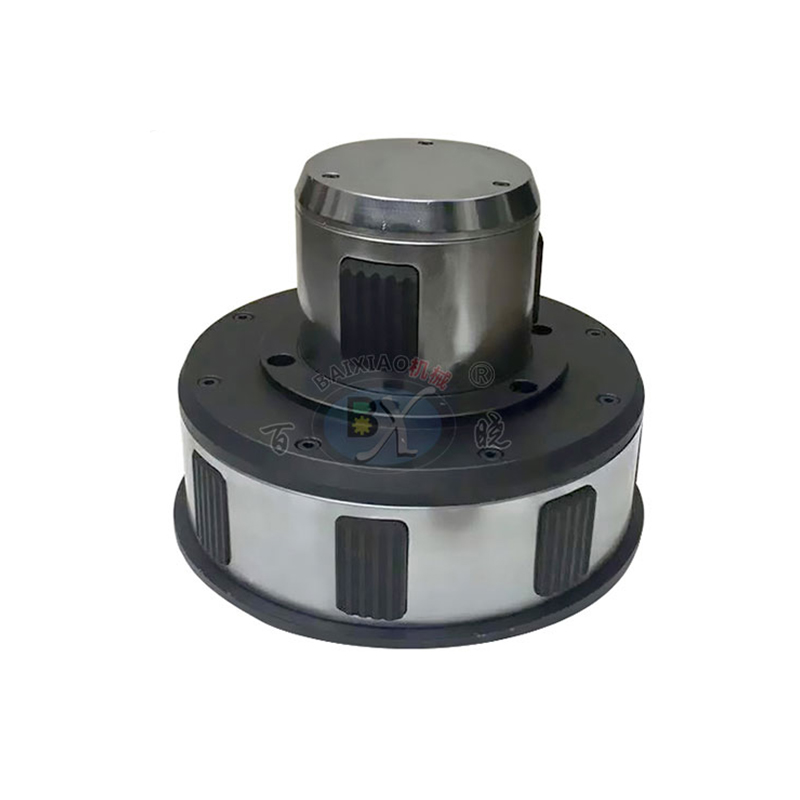
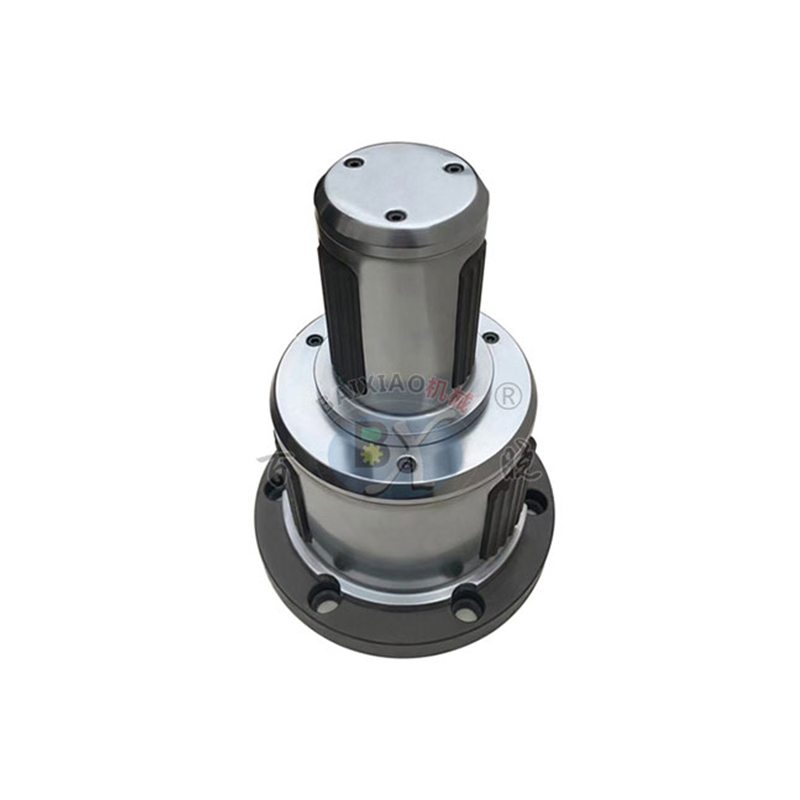
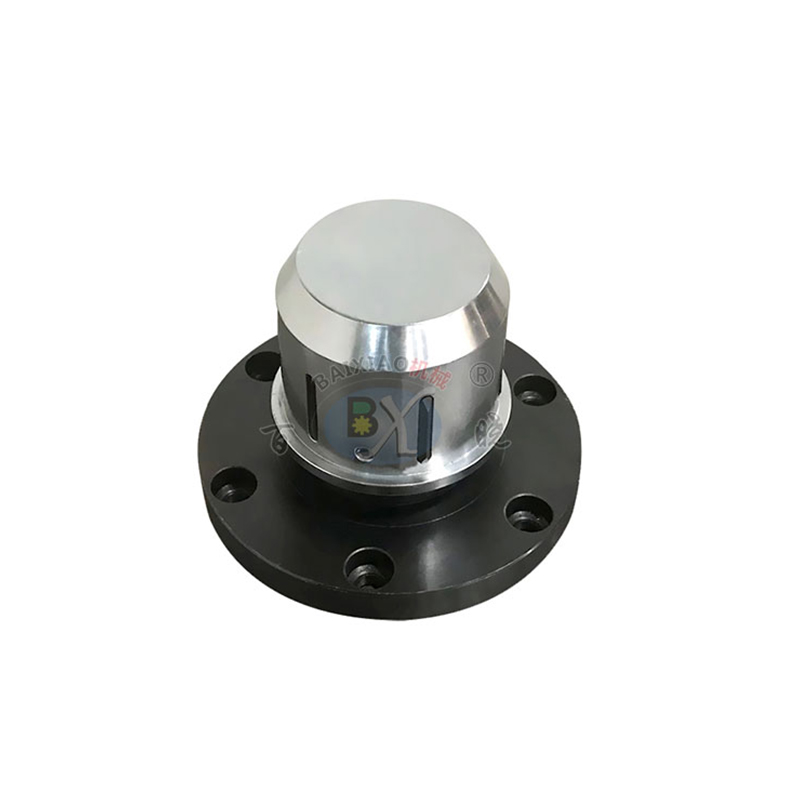
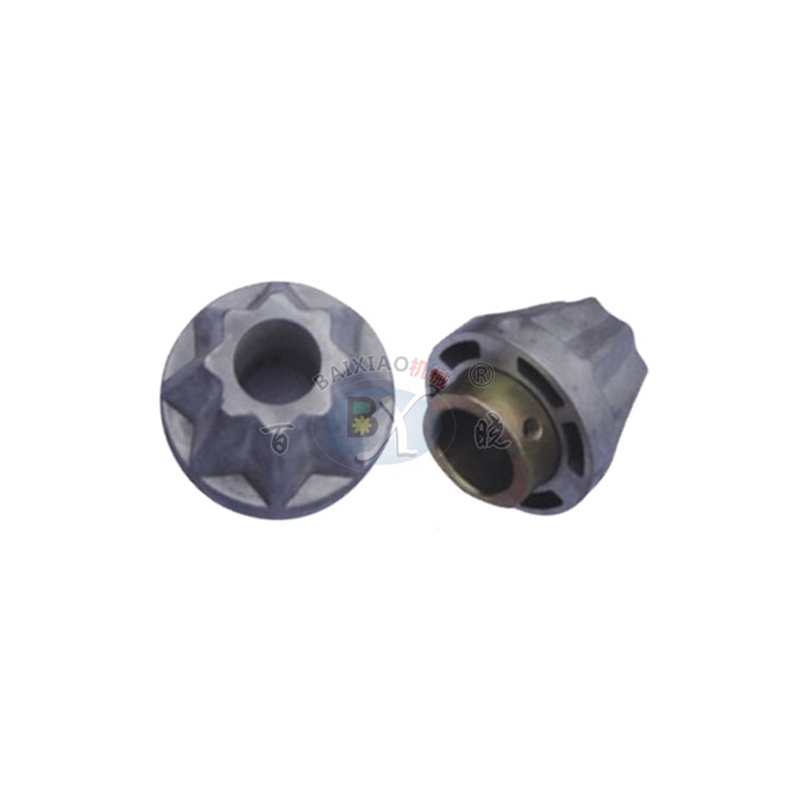
Mechanical Expansion Sleeve

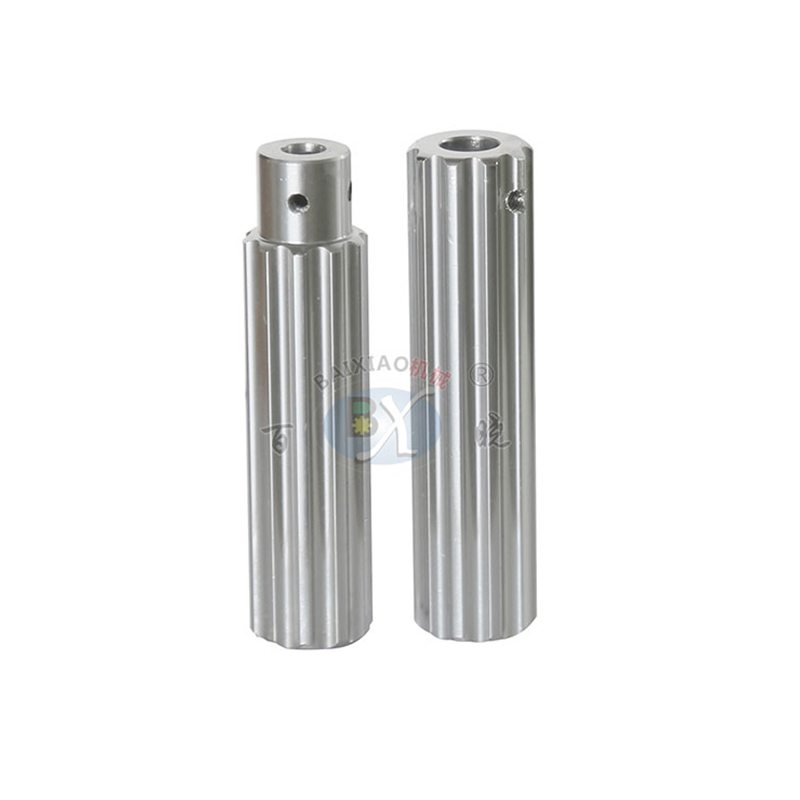
A mechanical expansion sleeve is a component that achieves stable shaft-to-hub fastening through an inclined wedge structure. During assembly, mechanical tightening eliminates the wedge clearance, creating expansion that delivers high torque transmission capability and precise positioning characteristics.

Offering advantages such as no adhesive requirements, easy disassembly, and no heating during assembly, it is particularly well-suited for components like hubs, drive rollers, and printing pressure rollers, making it an ideal choice for efficient assembly and maintenance.

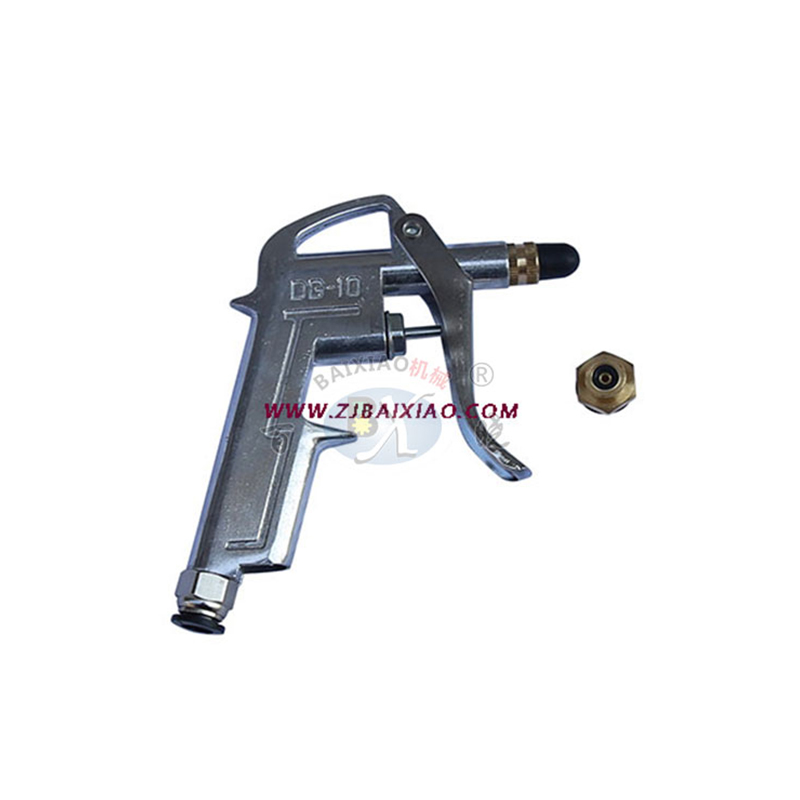
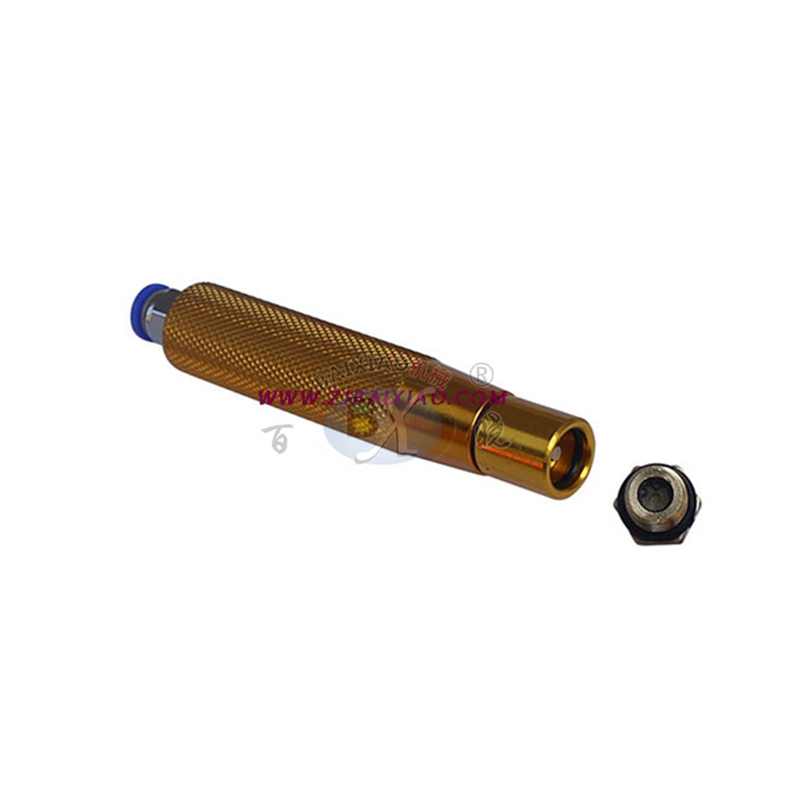
Within broader mechanical component applications, manufacturers offer high-precision accessories compatible with expansion sleeve systems, including shaft sleeves, bearing caps, drive shafts, and flange connectors. These components collectively ensure overall mechanical stability, transmission efficiency, and extended service life.

Through OEM customization, producers provide material and surface treatment optimization recommendations based on equipment specifications, torque requirements, and installation space constraints. This ensures consistent performance under high-load and high-speed operating conditions.

About Us
Ruian Baixiao Machinery Co., Ltd.

In the field of color printing and packaging machinery,Ruian Baixiao Machinery Co., Ltd. has achieved rapid growth through continuous research and application of technology.,as a Custom Mechanical Accessories Manufacturer and Wholesale Mechanical Accessories Factory for over two decades, the company has been committed to technological improvement and scientific management, organizing production and sales with high standards, new technologies, and new equipment to enhance its ability to compete in the fiercely competitive market.

Our factory specializes in producing a wide range of supporting products for color printing, packaging, and various flexible packaging machinery, including aluminum guide rollers, air shafts, differential shafts, air sleeves, rubber rollers, drums, magnetic powder clutches, controllers, and other machinery. These products are sold nationwide. Our excellent quality and excellent after-sales service have earned us the trust and support of domestic and international customers. Our people-oriented company strives for survival through quality, development through innovation, and market success through integrity. We possess independent R&D capabilities, sophisticated processing equipment, and employ modern technology, along with scientific management, comprehensive testing methods, and a comprehensive quality assurance system. In 2010, Ruian Baixiao Machinery Co., Ltd. was awarded the title of "China Credit Enterprise Certification System Demonstration Unit" and "China Credit Enterprise Unit" by the China Internet News Center (sponsored by the China Internet Network Information Center, with guidance from the State Council Information Office's Network Publicity Bureau, the Ministry of Commerce's Market Operation Department, and the National Development and Reform Commission's International Cooperation Center).

Our factory adheres to the business philosophy of "technology-driven, pioneering, and reputation-based," striving to provide comprehensive and detailed technical services. We sincerely welcome new and existing customers, both domestic and international, to work together to achieve mutual success.
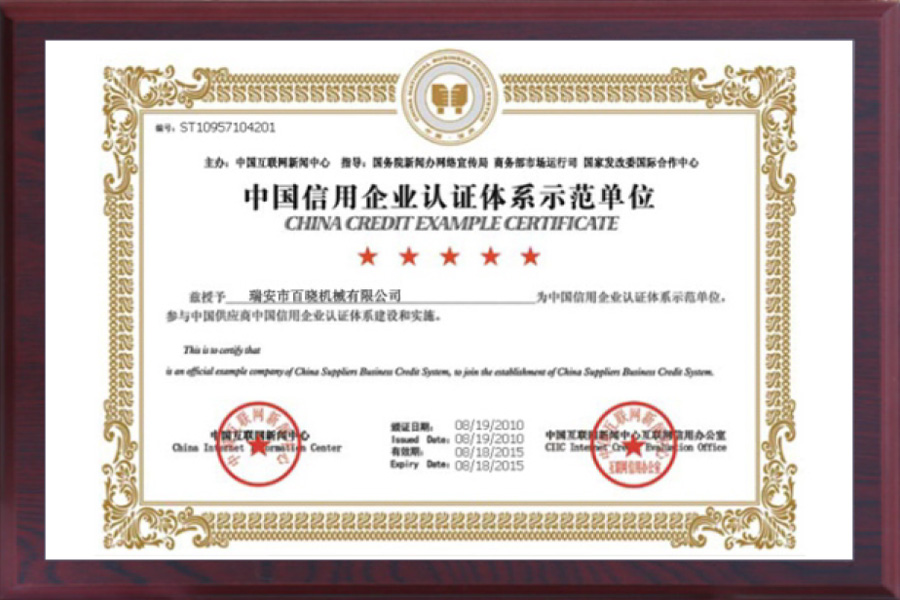
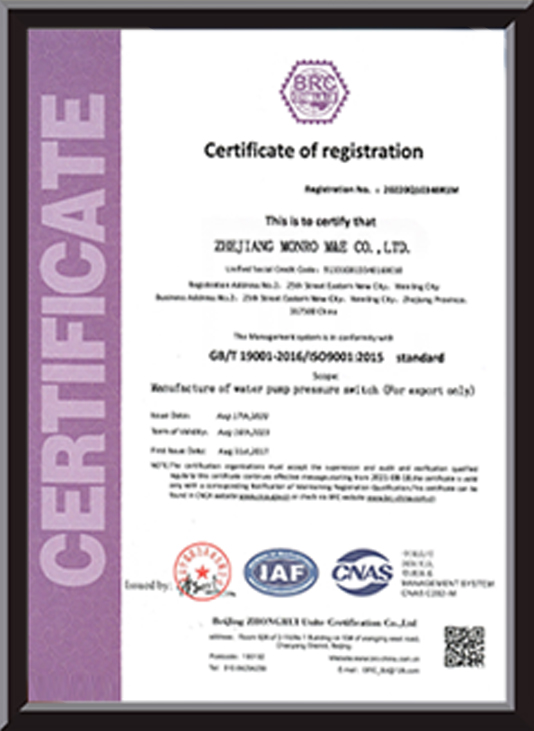
Certificate Of Honor
  • Demonstration Unit of China Credit Enterprise Certification System
  • Certification
  • Certification
  • Certification
News
Message Feedback
Mechanical Accessories Industry knowledge

How Are Tolerances and Precision Controlled in Mechanical Parts?

Controlling tolerances and precision is crucial for high-quality mechanical components. Manufacturers adopt multiple strategies to ensure that parts meet design requirements:

  • Material Selection: Using high-quality alloys or steels reduces deformation during machining and ensures dimensional stability.
  • Advanced Machining Techniques: CNC turning, milling, and grinding provide accurate dimensions and repeatability for complex parts.
  • Quality Inspection: Precision measurement tools such as coordinate measuring machines (CMM), micrometers, and calipers verify compliance with tolerance specifications.
  • Heat Treatment Considerations: Controlled thermal processing reduces warping and maintains dimensional consistency.
  • Surface Finishing: Processes like honing, lapping, and polishing not only enhance surface quality but also improve dimensional accuracy.

By implementing these methods, manufacturers ensure that Mechanical Parts consistently perform to specifications, reducing assembly issues and extending service life.

What Is the Difference Between a Mechanical Expansion Sleeve and a Shaft Sleeve?

While both components are used in rotating assemblies, Mechanical Expansion Sleeves and conventional shaft sleeves serve different purposes:

  1. Clamping Mechanism: Expansion sleeves provide a secure, self-tightening fit around the shaft using an internal taper or mechanical expansion system, while standard shaft sleeves are stationary and rely on interference fits.
  2. Torque Transmission: Mechanical expansion sleeves are designed to transmit torque without slippage, making them suitable for high-load applications. Shaft sleeves mainly protect the shaft from wear and corrosion.
  3. Ease of Installation: Expansion sleeves allow easy mounting and dismounting without hammering, reducing the risk of shaft damage. Standard shaft sleeves may require press fitting or heating for installation.
  4. Adjustability: Expansion sleeves can accommodate minor variations in shaft diameter, whereas shaft sleeves require exact sizing.
  5. Maintenance: Mechanical expansion sleeves can be reused or replaced without significant downtime, while conventional sleeves often require removal and re-machining.

Understanding these differences helps manufacturers choose the correct component for torque, alignment, and load requirements.

How Can Mechanical Anchors Be Heat Treated to Improve Wear Resistance?

Mechanical Anchors are critical in maintaining structural integrity and supporting loads in industrial machinery. Heat treatment improves their durability and performance:

  • Hardening: Heating anchors to a high temperature followed by rapid quenching increases hardness, allowing them to resist wear under heavy mechanical stress.
  • Tempering: After hardening, tempering reduces brittleness while maintaining sufficient hardness for long-term use.
  • Surface Treatments: Processes such as nitriding, carburizing, or induction hardening enhance wear resistance and extend service life.
  • Material Considerations: Selection of alloyed steels with suitable carbon content ensures that heat treatment achieves the desired mechanical properties without compromising toughness.
  • Quality Assurance: Manufacturers perform hardness testing, microstructure analysis, and dimensional checks post-heat treatment to verify performance.

Properly treated, Mechanical Anchors resist abrasion, deformation, and fatigue, ensuring reliability in demanding industrial applications.

Why Is Proper Component Selection Critical for Manufacturing Efficiency?

Choosing the right Mechanical Parts, Mechanical Expansion Sleeves, and Mechanical Anchors is essential for optimizing performance and reducing downtime:

  1. Enhanced Operational Precision: Proper tolerances and fit reduce vibration, misalignment, and premature wear.
  2. Extended Component Life: Heat-treated and precision-engineered parts endure higher loads and maintain dimensional stability over time.
  3. Reduced Maintenance Costs: Fewer failures and longer replacement cycles lower labor and material costs.
  4. Safety and Reliability: Reliable mechanical components decrease the risk of catastrophic failures in industrial machinery.
  5. Process Efficiency: Correctly matched components streamline assembly, reduce operational errors, and improve overall productivity.

By focusing on precision, proper material selection, and appropriate heat treatment, ensure that mechanical systems perform reliably while reducing operational costs.