
 Español
 Deutsch

Which Pneumatic Air Shaft Type Fits Printing And Packaging Systems
Printing and packaging production runs on the constant movement of roll materials. Paper, film, labels — all of these need steady support while unwinding and rewinding, since even small shifts in roll position or tension can end up affecting the final result.
A shaft used for roll handling isn't just a connector between equipment and material. It also shapes how smoothly rolls get installed, held in place, released, and swapped out during a normal day's operation. Different production lines bring different requirements to the table, which means picking the right structure really comes down to understanding the actual working environment first.
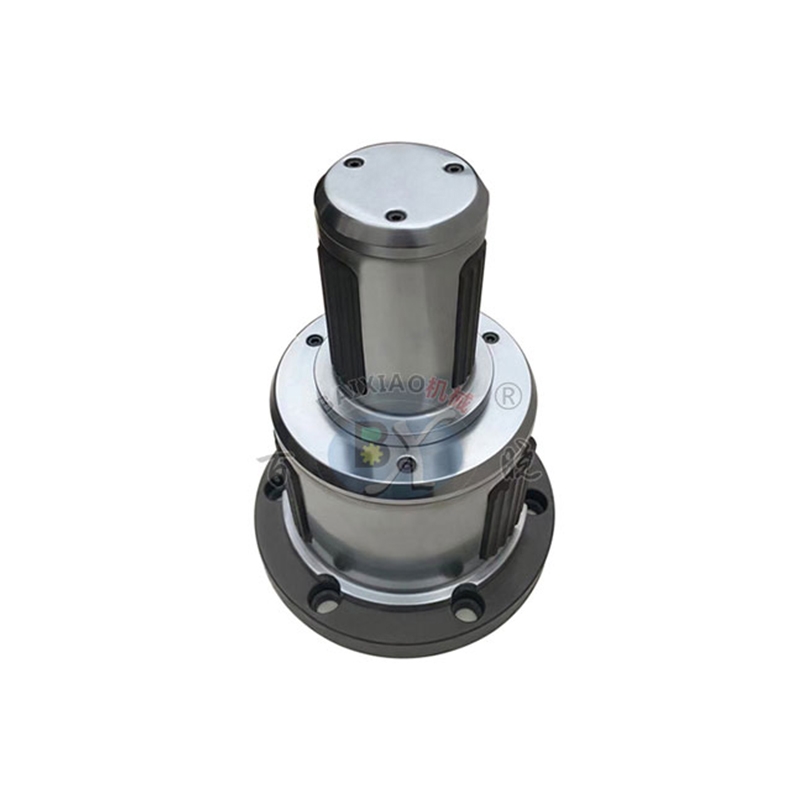
A Pneumatic Air Shaft works by using air pressure to expand contact elements inside the shaft, holding the roll core securely during operation and releasing it cleanly during changeover. The expansion method, contact structure, and load capacity all shape how well the shaft fits a given application.
Printing and packaging systems tend to differ across several dimensions:
- Roll material thickness
- Core structure
- Roll weight
- Production frequency
- Tension control requirements
A shaft built for lightweight printing materials won't necessarily behave the same way once it's handling heavier packaging rolls. That's really why equipment users usually need to look at the whole production process, rather than picking a shaft based on external dimensions alone.
An Air Shaft Factory typically works through these conditions during design and production, which helps shape structures that fit a range of different roll handling needs.
What Working Conditions Shape Pneumatic Air Shaft Selection
Before settling on a shaft type, it helps to get a clear picture of the production environment first. Printing and packaging systems can look fairly similar from the outside, even when their operating conditions differ quite a bit underneath.
Roll width and weight have a direct effect on the mechanical load the shaft ends up carrying. Wider rolls need steady support across the whole core area to avoid uneven movement as they rotate. Heavier rolls call for closer attention to expansion force and overall shaft structure too.
Material characteristics play into this as well. Flexible films, paper, and laminated products all respond a bit differently during processing. Some materials are more sensitive to tension shifts, while others need stronger holding force just to keep movement stable.
A few conditions are usually worth working through:
- Roll core design — different core structures affect how expansion elements make contact with the inner surface
- Material flexibility — thin or soft materials often need gentler handling to avoid tension swings
- Production frequency — frequent roll changes place higher demands on installation and release
- Machine layout — available space affects shaft length, connection method, and how easy maintenance is to carry out
Start-stop cycles are another thing worth keeping in mind. Repeated acceleration and stopping create shifting forces between the shaft and the roll. A well-matched design helps keep that connection stable through all of it.
How Do Different Pneumatic Air Shaft Types Support Roll Handling
Pneumatic Air Shafts come in a range of structures because roll handling conditions just aren't identical across the board. Each design uses its own contact method between the shaft and the roll core.
Lug Type Air Shaft
Lug type designs use expanding sections that push outward once air pressure kicks in. Contact points create holding force inside the core, which tends to work well where reliable gripping matters most.
Features worth noting:
- Strong core engagement
- A fairly simple expansion movement
- Suitable for handling regular roll materials
Leaf Type Air Shaft
Leaf type structures rely on multiple expanding segments spread around the shaft surface. That wider contact area helps spread force more evenly across the core.
This structure tends to suit:
- Materials that need stable support
- Rolls with broader contact requirements
- Applications involving repeated operation cycles
Strip Type Air Shaft
Strip type designs use continuous or segmented strips that expand against the core surface, offering smooth contact during both holding and release.
Choosing this one usually comes down to:
- Core material
- Roll condition
- The grip behavior actually needed
Picking between these structures really comes down to understanding how the roll behaves once it's in motion. A shaft with strong gripping power isn't always the right fit for a lightweight material that needs gentler handling. How well the shaft design matches the material's characteristics is what determines practical performance in the end.
Which Pneumatic Air Shaft Type Fits Printing Lines
Printing systems often need fairly careful control over roll movement, since the material may pass through several processing stages before it becomes a finished product. Stable tension and accurate positioning help keep processing conditions consistent from start to finish.
Printing materials range across paper, films, and coated surfaces with different thicknesses and flexibility. Throughout operation, the shaft needs to hold the roll securely while still letting it rotate smoothly.
Worth paying attention to for printing applications:
- Stable roll positioning
- Smooth expansion and release
- Lower risk of surface damage
- Consistent contact with the core
For lighter materials, too much gripping force can put unnecessary pressure on the roll core. A balanced expansion method helps maintain support without getting in the way of material movement.
Roll replacement is another practical piece of this puzzle. Printing equipment often needs quick changeovers during production, so a shaft structure that's simple to install and remove tends to make life easier for operators.
Material alignment also depends on how stable the roll support stays. If a roll shifts during rotation, tension can start varying across the web path. Picking the right shaft helps keep the feeding process more controlled overall.
Which Pneumatic Air Shaft Type Fits Packaging Lines
Packaging systems tend to deal with a wide range of flexible materials — films, wrapping materials, composite structures. Compared with a lot of printing applications, packaging lines often handle heavier rolls or go through material changes more frequently.
Roll stability matters here because packaging equipment usually runs through continuous feeding, sealing, cutting, or forming steps. Any unwanted movement during material delivery can end up affecting whatever happens downstream.
Packaging applications tend to focus on:
- Strong roll holding ability
- Reliable torque transfer
- Structural stability over the long run
- Roll replacement that's easy to manage
Different packaging materials bring their own challenges too. A smooth film surface might need careful tension management, while thicker materials often need stronger mechanical support behind them.
A well-matched shaft design should fit both the roll condition and what the machine actually needs. A structure that works well with one packaging material might need some adjustment before it handles a different roll type just as well.
| Application Type | Material Characteristics | Shaft Selection Focus |
|---|---|---|
| Printing Systems | Paper, film, coated materials | Stable positioning and smooth handling |
| Flexible Packaging | Film and laminated materials | Reliable grip and tension support |
| Heavy Roll Processing | Larger roll weight | Structural support and balance |
| Frequent Roll Changes | Repeated installation cycles | Easy expansion and release |
Taken together, these applications show just how much roll handling needs can shift from one production line to the next. Matching the shaft type to the actual material and operating pattern tends to matter more than chasing a single universal setup.
How Do Material Type and Core Design Affect Shaft Choice
Roll material and core structure have a direct hand in how a shaft actually performs once it's running. A roll isn't just something bolted onto equipment and left alone — during unwinding and rewinding, it's constantly rotating, dealing with tension shifts, and absorbing mechanical forces from the process around it.
Different core materials create different contact conditions. Paper cores often call for a different expansion method than harder core structures do. The inner surface condition matters too, since it affects how firmly the shaft can actually hold onto the roll while it's moving.
A few things are worth working through when matching a shaft to roll materials:
- Core size and shape
A well-matched expansion range lets the shaft make proper contact with the core without putting unnecessary pressure on it. - Material thickness and flexibility
Thin films or softer materials often need gentler handling to keep tension from fluctuating during processing. - Roll weight distribution
Uneven weight inside a roll can throw off rotation balance and add extra stress to the shaft structure. - Surface condition of the core
A clean, stable contact surface tends to keep holding performance consistent.
Packaging and printing materials keep getting more varied, which brings a wider range of requirements for roll support along with them. A shaft that works fine for paper processing might feel quite different once it's handling flexible film instead.
Getting the match right between roll characteristics and shaft structure really helps cut down on slipping, uneven rotation, and unstable material feeding.
What Role Does an Air Shaft Factory Play in Product Matching
Production requirements rarely look the same from one customer to the next. A factory manufacturing air shafts usually needs to think through equipment structure, application conditions, and expected working patterns before landing on a suitable solution.
An Air Shaft Factory typically works through several technical aspects during manufacturing.
Reviewing Application Conditions
Before production even starts, understanding the machine environment matters a lot. Details like roll dimensions, material type, and operating method all help shape the right structure.
A clear picture of the application feeds into decisions around:
- Shaft diameter
- Expansion method
- Contact elements
- Connection structure
- Material selection
Adjusting Structural Design
Small structural differences can end up affecting daily operation more than expected. Shifting the expansion position, for instance, can change how evenly force gets distributed inside the roll core.
Manufacturing adjustments might touch on:
- Internal component arrangement
- Surface processing
- Air pressure response
- Shaft support design
Checking Operating Performance
Testing helps confirm whether the shaft actually responds the way it should under expected working conditions. This usually covers roll holding, expansion movement, release action, and repeated operation cycles.
A practical manufacturing process really comes down to matching the product to the machine environment, rather than applying one structure across every situation.
What Problems Appear When Shaft Type and Line Demand Do Not Match
Picking the wrong shaft can create headaches during production, though the problems often show up gradually rather than all at once — which is exactly why early evaluation matters.
One issue that comes up fairly often is unstable roll holding. When the expansion method doesn't quite match the core condition, the shaft may struggle to maintain consistent contact as the roll rotates.
That can lead to:
- Roll movement during operation
- Uneven material feeding
- Tension changes
- More frequent adjustment needs
Release performance is another spot worth watching. A shaft that grips well during operation also needs to let go smoothly when it's time to replace the roll. If holding force and release action aren't well balanced, routine handling can slow down noticeably.
Maintenance needs also tend to climb when a shaft is working outside its suitable range. Repeated stress on internal parts can chip away at movement quality over time.
Choosing a shaft based on actual production needs helps sidestep a lot of these headaches. Roll characteristics, machine design, and working frequency all deserve a look before making that call.
How Can Users Select a Suitable Pneumatic Air Shaft for Daily Production
Picking a suitable Pneumatic Air Shaft doesn't come down to any single feature. A fuller look at the production environment usually gives a much clearer sense of direction.
A practical selection process tends to move through a few steps.
Check the Roll Requirements
Start by getting clear on the materials being processed.
Worth checking:
- Roll width
- Roll weight
- Core material
- Core size
- Material sensitivity
Understanding the roll condition really shapes what holding method makes sense.
Review Machine Conditions
Equipment structure plays into shaft selection too.
Worth considering:
- Installation space
- Rotation speed requirements
- Connection method
- Replacement process
A shaft needs to fit the machine layout just as much as it needs to fit the roll itself.
Evaluate Operation Habits
How production actually runs day to day affects long-term usability quite a bit.
For lines with frequent roll changes, simple installation and release tend to matter more. For continuous operation, stable support and consistent movement usually become the bigger priority.
Discuss Technical Requirements With Manufacturers
Talking things through with an Air Shaft Factory can help clarify application details before locking in a final choice.
Useful information to share:
- Current equipment structure
- Material types
- Operating conditions
- Existing handling problems
clear exchange of information upfront lets the shaft design fit the actual production environment a lot more closely.
How Does Proper Pneumatic Air Shaft Selection Support Printing and Packaging Stability
Printing and packaging systems run on a lot of connected processes working together. Roll handling is just one part of that chain, though its influence stretches into material feeding, tension control, and how consistent the whole process stays over time.
A well-matched shaft structure helps keep the connection between roll and machine stable. When expansion, gripping, and release all line up with the working conditions, operators tend to manage roll changes more smoothly and deal with fewer unnecessary adjustments along the way.
Different applications bring different priorities. Printing systems often lean toward careful handling of flexible materials, while packaging lines might need stronger support for repeated operation and larger rolls.
Choosing a Pneumatic Air Shaft really should reflect real production conditions rather than a general assumption carried over from somewhere else. Roll structure, material features, machine design, and operating habits all shape that final choice.
With a careful look at these factors, manufacturers and users can land on a better match between shaft performance and application needs. An Air Shaft Factory plays its part here too, turning production requirements into structural designs that actually fit — helping printing and packaging equipment keep roll handling steady through the everyday grind of production.

We specialize in manufacturing aluminum guide rolls, air shafts, steel rolls, rubber rolls, curved rolls, slip shafts, magnetic powder brakes, and other mechanical supporting products.
©2025 Ruian Baixiao Machinery Co., Ltd.

Aluminum Guide Rollers Manufacturer