
 Español
 Deutsch


How Do Manufacturers Protect Aluminum Guide Rollers Against Corrosion in Harsh Environments?
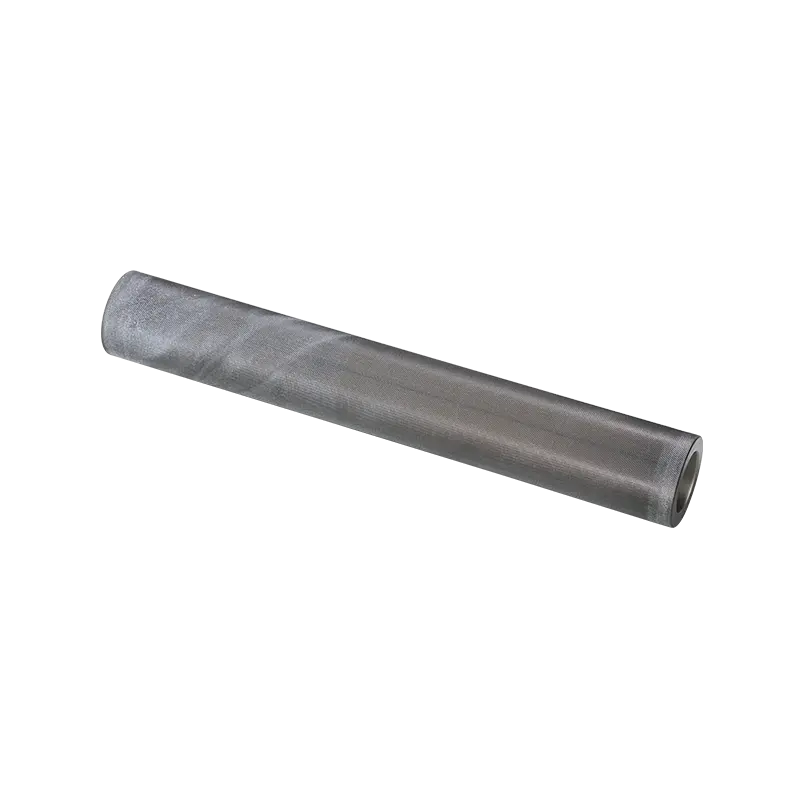
Aluminum guide rollers are used in conveyor lines, printing equipment, textile machinery and many other industrial applications. They are relatively lightweight, easy to machine and naturally resistant to corrosion. But that does not mean they are immune to harsh working conditions.
A roller exposed to moisture, salt, cleaning chemicals or industrial contaminants can gradually develop surface damage. Corrosion becomes a bigger concern when the roller is connected to steel shafts, bearings or other metal components. Surface deterioration can also affect roller dimensions, bearing fit and running performance.
Simply choosing aluminum is not enough. The alloy, surface treatment and way the roller is installed all influence how well it holds up over time.
Start With an Aluminum Alloy Suited to the Job
Different aluminum alloys offer different combinations of strength, corrosion resistance and machinability. Choosing one without considering the working environment can create problems later.
Three commonly considered options are:
- 6061 aluminum: Offers a useful balance of strength, machinability and general corrosion resistance. It is widely used for industrial machined components.
- 6063 aluminum: Has good extrusion and surface-finishing characteristics, making it suitable for certain roller profiles.
- 5052 aluminum: Offers good resistance to many atmospheric and marine environments, although its mechanical properties need to match the application.
A roller used in a dry production workshop has different requirements from one operating near seawater or chemical cleaning equipment. Contact loads, rotational conditions and machining requirements also need to be considered.
Material selection should therefore be based on the actual application rather than corrosion resistance alone.
Use Anodizing to Protect the Aluminum Surface
Anodizing is a common treatment for aluminum industrial components. The process uses electrochemical treatment to increase the thickness of the natural oxide layer on the surface.
The resulting layer improves corrosion resistance and surface hardness. It can also be sealed or colored, depending on the finishing requirements.
Several details affect the final result:
- Oxide thickness: Needs to match the expected exposure and wear conditions.
- Surface preparation: Oil, machining fluid and other residues must be removed before treatment.
- Sealing: Proper sealing reduces the porosity of the anodic layer and improves protection.
- Dimensional changes: Anodizing affects component dimensions and must be included in the machining allowance.
The last point is particularly important for precision rollers. Bearing seats and shaft interfaces often have tight tolerances. Ignoring coating growth during machining can make the finished roller difficult to assemble.
Consider Additional Coatings for More Aggressive Conditions
Anodizing is not suitable for every application. Some rollers encounter chemical cleaners, salt deposits or continuous moisture exposure, which may require another type of surface protection.
Depending on the operating environment, manufacturers may consider:
- Hard anodizing: Produces a thicker, harder oxide layer and is useful where both wear resistance and corrosion protection are required.
- Powder coating or industrial paint: Creates a barrier between the aluminum and the surrounding environment. Its durability depends on coating adhesion and the amount of mechanical contact during operation.
- Conversion coatings: Can improve corrosion protection and provide a base for additional finishing processes.
Each option has limitations. A paint layer may be damaged by repeated contact, while anodized surfaces can still be affected by certain chemicals. Coatings should also be kept away from precision interfaces where added thickness could interfere with assembly.
Watch Out for Corrosion Between Different Metals
One detail that is sometimes overlooked is the connection between the aluminum roller and its other metal components.
Industrial rollers may use stainless steel fasteners, steel shafts, bearings and metal mounting brackets. When dissimilar metals are electrically connected in the presence of moisture or another electrolyte, galvanic corrosion can occur. Aluminum may corrode preferentially in these conditions.
Several design measures can reduce the risk:
- Use compatible material combinations where possible.
- Add suitable insulating washers, sleeves or bushings.
- Protect appropriate contact surfaces with suitable coatings.
- Avoid joints where water can remain trapped.
- Select fasteners according to the surrounding environment.
This is especially relevant in coastal and washdown environments. Stainless steel fasteners are corrosion-resistant, but their presence does not automatically protect the aluminum around the connection.
Machining Quality Affects the Protective Finish
A coating cannot compensate for poor surface preparation. Deep scratches, burrs and uneven machining marks may make it harder to achieve consistent coverage. They can also create areas where dirt and moisture collect.
| Manufacturing factor | Possible problem | Recommended control |
|---|---|---|
| Alloy selection | Poor resistance to the working environment | Match alloy to exposure and mechanical loads |
| Surface preparation | Uneven coating adhesion | Remove oil and machining residues |
| Anodizing | Inconsistent oxide protection | Control treatment and sealing conditions |
| Machining quality | Scratches and surface defects | Deburr and inspect critical areas |
| Metal connections | Galvanic corrosion | Check material compatibility |
| Dimensional finishing | Coating affects assembly fit | Measure final dimensions |
Roundness and concentricity deserve particular attention on guide rollers. Anodizing and other finishing processes should not leave the finished part outside its specified dimensional tolerances.
Surface roughness should also be checked where the roller contacts belts, materials or other moving components.
Different Working Environments Require Different Protection
A roller used in one factory may face completely different conditions from another installed just a few kilometers away.
In coastal facilities, salt deposits and persistent moisture can accelerate corrosion around exposed surfaces and metal connections. Chemical processing plants may use acidic or alkaline cleaning agents that attack certain aluminum surfaces and coatings.
Food and beverage production often involves frequent washdown, so drainage, cleaning chemicals and surface condition become important. Outdoor conveyor systems face rain, dust and temperature changes, sometimes with long periods between maintenance visits.
A coating that performs well in a dry factory should not automatically be specified for a chemical-processing or marine environment. The actual exposure needs to guide the treatment choice.
Verify Protection Through Testing
Manufacturers need more than a visual check to determine whether a surface treatment meets its specification.
Common inspection methods include:
- Salt spray testing: Compares corrosion behavior under a controlled salt-containing atmosphere.
- Coating thickness measurement: Checks whether the anodized layer or applied coating meets the required thickness.
- Adhesion testing: Evaluates bonding between applicable organic coatings and the aluminum surface.
- Dimensional inspection: Checks roller diameter, roundness, concentricity and bearing fit after treatment.
- Environmental exposure testing: Examines performance under conditions representative of the intended application.
Salt spray results are useful for comparing samples, but they should not be converted directly into predictions of years of service. Actual corrosion depends on moisture, temperature changes, chemical exposure and maintenance practices.
Testing should use clear acceptance criteria based on the intended application.
Protecting the Roller Beyond the Surface Treatment
An Aluminum Guide Roller can have a durable anodized finish and still develop corrosion around an unsuitable metal connection or poorly drained mounting point. The surface treatment is only one part of the design.
Manufacturers need to consider the alloy, machining tolerances, coating process and surrounding hardware together. Paying attention to these details during production is much easier than dealing with premature surface damage or assembly problems after installation.

We specialize in manufacturing aluminum guide rolls, air shafts, steel rolls, rubber rolls, curved rolls, slip shafts, magnetic powder brakes, and other mechanical supporting products.
©2025 Ruian Baixiao Machinery Co., Ltd.

Aluminum Guide Rollers Manufacturer