
 Español
 Deutsch

How Can Proper Cleaning Protect Anti Static Rubber Roller Surface Condition
Functional Position of Rubber Roller in Industrial Processing Systems
A Rubber Roller is often found in continuous handling setups where materials need to move from one point to another without interruption. Its role is not complicated in structure, but it sits directly in contact with the material flow, which makes its surface condition quietly important.
When the roller turns, the surface becomes part of the transport path. Any small change on that surface can influence how the material behaves while passing through.
In general use, it tends to support:
- Steady movement of materials along a fixed path
- Contact-based transfer between different stages
- Light pressure support to keep alignment
- Smooth surface interaction without direct damage to materials
Over time, the surface itself becomes a kind of "working layer," not just a physical part.
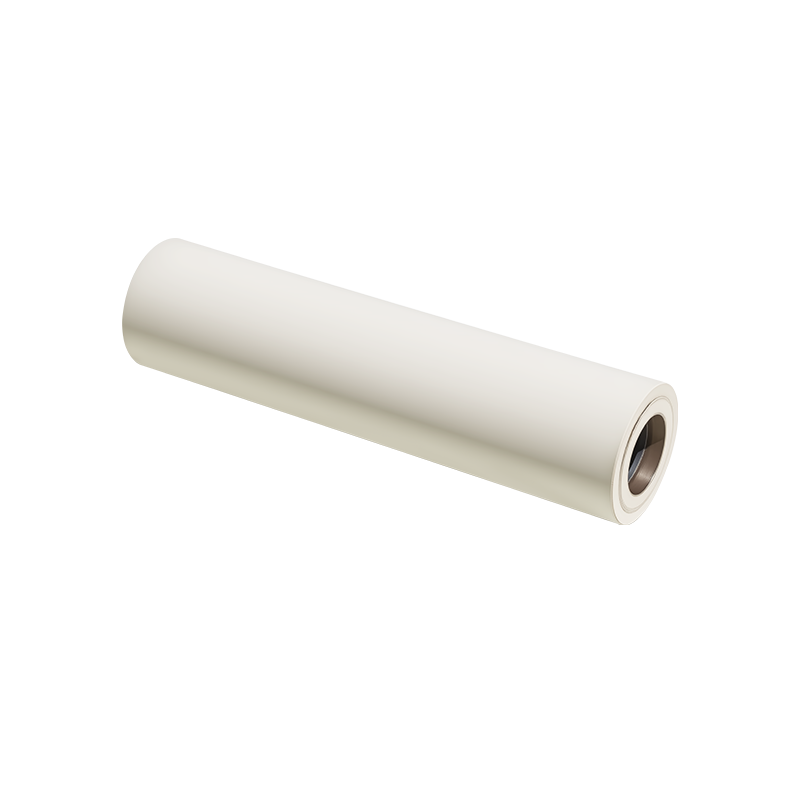
Structural Characteristics of Anti Static Rubber Roller
An Anti Static Rubber Roller is not only about movement. Its surface is adjusted to handle situations where static influence can appear during contact.
The structure is usually designed in a way that keeps surface behavior stable while still allowing normal rolling action.
What it typically focuses on:
- Keeping surface charge from building up too easily
- Allowing controlled release of static influence
- Staying stable during long contact periods
- Working without disturbing surrounding material behavior
It does not rely on complex changes in shape, but more on how the surface behaves when it touches other materials again and again.
Surface Sensitivity of Rubber Roller in Operational Use
Even when a Rubber Roller looks unchanged, its surface is always slowly reacting to what it touches. This happens naturally during daily use.
The surface does not remain the same after repeated contact. It adjusts little by little.
Some common influences are:
- Constant rubbing against processed materials
- Small particles sticking during movement
- Airborne dust settling on the surface
- Light surface smoothing caused by friction
These changes are usually gradual. They don't appear suddenly, which is why they are often overlooked.
Sources of Surface Contamination Affecting Rubber Roller
Contamination on a Rubber Roller surface rarely comes from a single cause. It builds up from everyday exposure inside the working space.
Typical sources include:
- Dust floating in the surrounding air
- Small residues from processed materials
- Moisture in the environment helping particles stick
- Repeated transfer between contact surfaces
At first, these layers are extremely thin. They may not be easy to notice, but they still sit on the surface and slowly change how it feels during contact.
Impact of Surface Contamination on Anti Static Rubber Roller
When an Anti Static Rubber Roller has surface buildup, the effect is not always immediate. It usually starts with small changes in how smoothly the surface interacts with materials.
Over time, the following may appear:
- Slight variation in surface contact smoothness
- Less stable movement during transfer
- Weak changes in static control behavior
- Uneven response across different contact areas
The roller may still work, but the consistency of its surface behavior becomes less even.
Importance of Cleaning in Maintaining Rubber Roller Condition
Cleaning is not just about making the surface look clear. For a Rubber Roller, it is closely connected to how the surface continues to behave during use.
When cleaning is done in a controlled way, it helps the surface stay closer to its original working condition.
It generally helps with:
- Removing small particles attached to the surface
- Keeping contact behavior more even
- Preventing slow buildup of residue layers
- Supporting stable Anti Static Rubber Roller response
Without cleaning, the surface gradually carries more hidden changes that affect how it works.
Cleaning Principles Suitable for Rubber Roller Surfaces
Cleaning a Rubber Roller needs a careful touch. The surface is designed for contact, not for strong abrasion, so pressure and method matter more than intensity.
A few simple principles usually apply:
- Keep pressure light and controlled during cleaning
- Avoid rough or sharp cleaning materials
- Choose cleaning methods based on actual surface condition
- Try to keep movement even across the whole surface
Different situations often require different approaches:
| Cleaning Method | Contact Level | Typical Use |
|---|---|---|
| Dry wiping | Light | Loose dust removal |
| Damp wiping | Medium | Light residue layers |
| Soft cloth wipe | Gentle | Sensitive surface care |
The idea is not to "scrub" the surface, but to bring it back to a more even state without disturbing its structure.
Cleaning Methods Applied to Anti Static Rubber Roller
Cleaning an Anti Static Rubber Roller is usually a matter of matching method with surface condition. There is no single approach that fits every situation, since the surface may carry different levels of residue depending on use.
In practice, cleaning tends to stay simple and controlled rather than aggressive.
Common approaches include:
- Dry wiping to remove loose dust without affecting the surface layer
- Light damp wiping when residue begins to stick more firmly
- Soft-contact cleaning using gentle materials to avoid surface marks
- Careful manual cleaning where attention to pressure is kept consistent
The goal is not to reshape the surface, but to bring it back to a stable contact state.
Influence of Cleaning Practices on Anti Static Performance
The surface condition of a Rubber Roller is closely tied to how it handles static-related behavior. When cleaning is done carefully, the surface tends to keep a more stable response during operation.
However, if cleaning is inconsistent or too forceful, the surface may react in less predictable ways.
Some possible effects include:
- Slight variation in surface conductivity behavior
- Reduced consistency in charge release during contact
- Temporary imbalance in anti-static response
- Uneven surface interaction across different zones
The key point is that anti-static behavior depends not only on material design, but also on how clean and even the surface remains.
Environmental Conditions Affecting Cleaning Efficiency
The working environment around a Rubber Roller often influences how quickly the surface becomes contaminated again after cleaning.
Several conditions play a role:
- Air quality: More particles in the air tend to settle back onto the surface
- Humidity: Moist conditions can help fine dust stick more easily
- Temperature changes: Can slightly affect surface flexibility and residue behavior
- Nearby processes: Other equipment may release small particles into the space
Because of these factors, cleaning results are never completely isolated from the environment in which the roller operates.
Cleaning Frequency and Operational Coordination
Cleaning is usually most effective when it follows the rhythm of operation rather than being done randomly. A Rubber Roller that works continuously may require more frequent surface attention than one used intermittently.
In practice, cleaning is often adjusted based on:
- Length of operating cycles
- Type of materials being handled
- Level of visible surface buildup
- Sensitivity of the process involved
It is also common to align cleaning with natural pauses in operation to avoid disruption.
Surface Wear Control Through Proper Cleaning
A Rubber Roller does not only change through use, but also through how it is maintained. Cleaning plays a role in slowing down uneven surface wear when done carefully.
Proper handling helps to:
- Reduce small abrasive contact on the surface
- Avoid uneven pressure marks during cleaning
- Keep surface texture more balanced over time
- Limit localized wear caused by residue buildup
When cleaning is too rough or inconsistent, it may contribute to surface irregularities instead of preventing them.
Long-Term Surface Stability of Rubber Roller
Over time, the surface of a Rubber Roller is shaped by both use and maintenance habits. Cleaning becomes part of that long-term behavior rather than just a short-term action.
With steady and careful cleaning practice, the surface tends to remain more predictable in its response.
What is often observed includes:
- More stable contact feel during operation
- Reduced fluctuation in material movement
- Better retention of anti-static surface behavior
- Slower development of uneven surface texture
The Anti Static Rubber Roller in particular depends on this balance, since its function is closely linked to surface consistency.
Maintenance Integration for Rubber Roller Systems
Cleaning alone is only one part of keeping a Rubber Roller in working condition. It usually fits into a wider maintenance routine that includes simple observation and surface care.
Common maintenance habits include:
- Checking surface condition before and after operation
- Noticing changes in texture or contact smoothness
- Adjusting cleaning method based on surface response
- Keeping cleaning tools appropriate to surface sensitivity
Rather than treating cleaning as an isolated task, it is often more effective when it is connected with regular surface observation.
The surface of a Rubber Roller changes quietly over time, and cleaning acts as a stabilizing step in that process. For an Anti Static Rubber Roller, this influence becomes even more noticeable because surface condition and electrical behavior are closely linked.
When cleaning is handled with care and consistency, the roller surface tends to stay closer to a balanced working state, supporting smoother and more predictable operation without requiring structural changes.

We specialize in manufacturing aluminum guide rolls, air shafts, steel rolls, rubber rolls, curved rolls, slip shafts, magnetic powder brakes, and other mechanical supporting products.
©2025 Ruian Baixiao Machinery Co., Ltd.

Aluminum Guide Rollers Manufacturer