
 Español
 Deutsch

High-Speed Performance of Lightweight Aluminum Guide Rollers
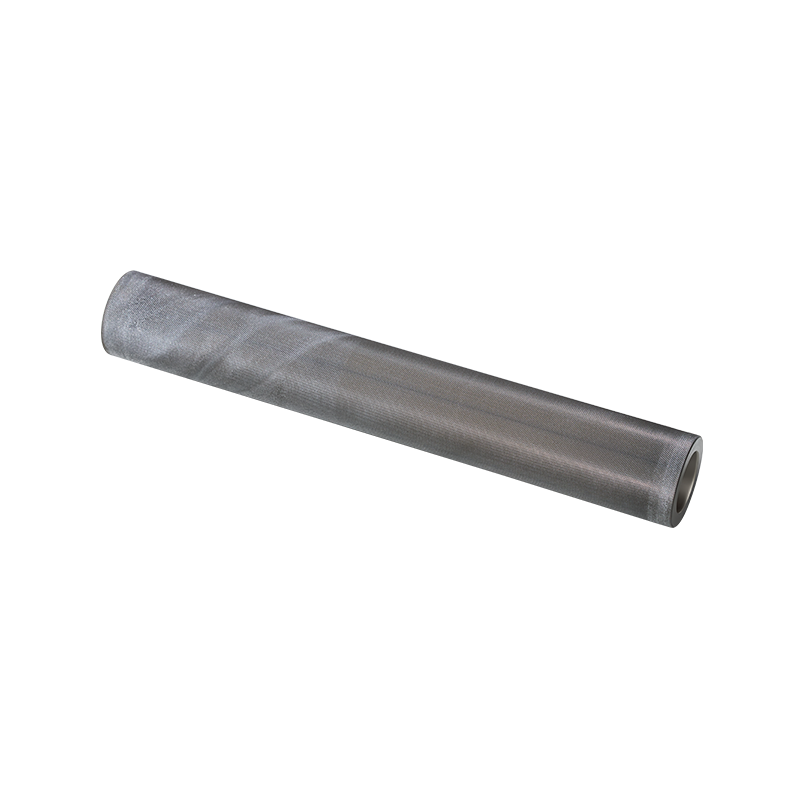
Aluminum Guide Roller components are increasingly used in high-speed conveyor and material handling systems.
Their lightweight design distinguishes them from traditional steel or cast-iron rollers, offering notable benefits in efficiency, reliability, and operational safety.
Understanding their performance in high-speed applications helps engineers and operators optimize conveyor systems for productivity.
Reduced Rotational Inertia
- Lower Mass, Quicker Response: The reduced weight of aluminum rollers decreases rotational inertia, enabling faster acceleration and deceleration.
- Enhanced Conveyor Control: Lighter rollers reduce the torque required from motors, allowing smoother speed transitions during start and stop cycles.
- Reduced Belt Slippage: The lower inertia reduces stress on conveyor belts, helping maintain alignment and consistent movement of materials.
Energy Efficiency Advantages
- Reduced Power Consumption: Lighter rollers lower the load on drive motors, decreasing energy usage in continuous operations.
- Operational Sustainability: Energy efficiency contributes to cost savings and reduces environmental impact in industrial plants.
- Consistent Performance: Even in long-duration high-speed operations, lightweight rollers maintain stable performance with less energy input.
Mechanical Stress Reduction
- Lower Bearing Loads: Aluminum rollers exert less pressure on bearings, extending their operational lifespan.
- Decreased Frame Fatigue: Conveyor structures experience less stress, reducing the likelihood of warping or damage over time.
- Reduced Maintenance Needs: With lower mechanical stress, components require less frequent replacement, reducing downtime and associated costs.
Enhanced High-Speed Stability
- Improved Dynamic Response: Lightweight rollers adapt more quickly to speed changes, ensuring accurate tracking and alignment.
- Vibration Mitigation: Reduced mass decreases vibration amplitude, which is particularly important in high-speed lines handling delicate or lightweight materials.
- Smooth Material Flow: Consistent roller performance prevents jams and misalignment, enhancing the reliability of product handling.
Thermal and Material Advantages
- Efficient Heat Dissipation: Aluminum conducts heat effectively, preventing excessive temperature buildup during continuous high-speed operation.
- Dimensional Stability: Aluminum rollers maintain alignment and shape under varying temperatures, crucial for precision applications.
- Reduced Thermal Stress: The lightweight design reduces issues caused by thermal expansion and contraction, avoiding mechanical strain on the system.
Safety Benefits
- Lower Kinetic Energy During Failures: In case of mechanical malfunctions, lighter rollers pose less risk to operators and nearby equipment.
- Easier Handling and Installation: Aluminum rollers are simpler and safer to install or replace compared to heavier alternatives, reducing workplace injuries.
- Safer Automated Systems: Reduced weight decreases strain on robotic pick-and-place or automated conveyor systems, enhancing overall operational safety.
Load and Compatibility Considerations
- Load Capacity: While aluminum rollers are lightweight, proper selection ensures adequate support for transported materials without deformation.
- System Integration: Aluminum rollers work effectively with both manual and automated conveyor systems.
- Customization: Many suppliers offer options for diameter, length, and surface treatment to optimize performance for specific conveyor requirements.
Maintenance and Durability
- Reduced Wear: Lighter rollers reduce stress on all conveyor components, lowering overall maintenance frequency.
- Material Longevity: Aluminum’s corrosion resistance and structural integrity contribute to long-term durability, even under continuous high-speed conditions.
- Inspection and Replacement: Lightweight design allows easier inspection and replacement, ensuring disruption in high-throughput facilities.
The lightweight design of Aluminum GuideRoller components provides clear advantages in high-speed conveyor systems. Reduced rotational inertia, lower energy consumption, decreased mechanical stress, enhanced stability, and improved safety collectively improve overall performance. Industries ranging from packaging and logistics to electronics and food processing benefit from the lightweight aluminum rollers’ efficiency, precision, and durability.

We specialize in manufacturing aluminum guide rolls, air shafts, steel rolls, rubber rolls, curved rolls, slip shafts, magnetic powder brakes, and other mechanical supporting products.
©2025 Ruian Baixiao Machinery Co., Ltd.

Aluminum Guide Rollers Manufacturer