
 Español
 Deutsch

Advantages Of Rubber Rollers Over Steel Guide Rollers
Introduction to Rubber Rollers
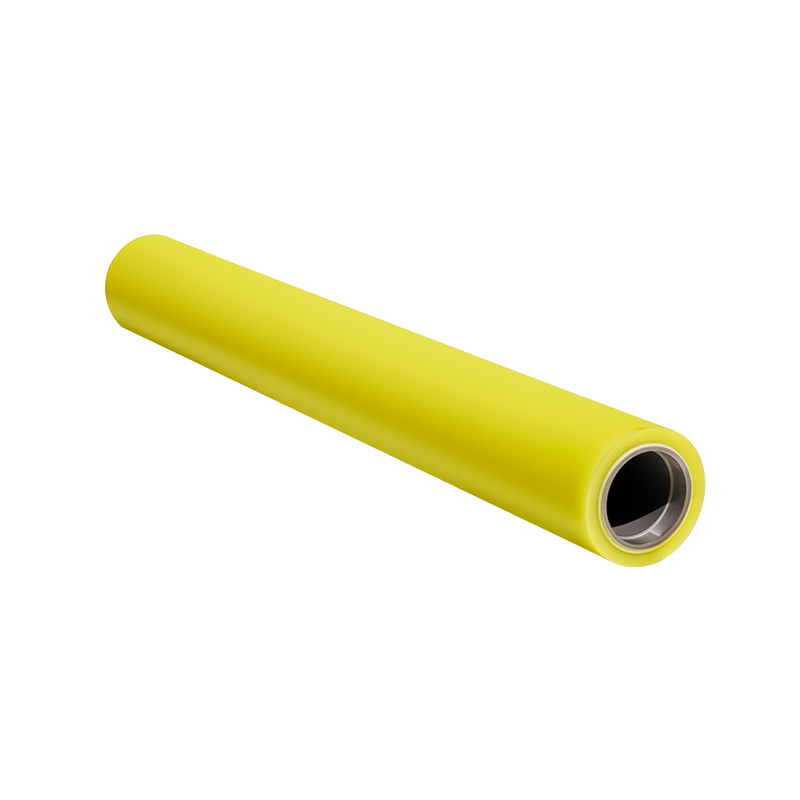
Rubber rollers are widely used in printing, packaging, paper, textile, and conveyor industries for guiding and transporting materials.
Compared to traditional steel guide rollers, rubber rollers offer unique advantages in durability, noise reduction, and material protection.
Choosing a reliable Rubber Roller Factory ensures high-quality rollers that meet specific operational requirements.
Shock Absorption and Vibration Reduction
Cushioning Effect:
- Rubber rollers absorb shocks better than rigid steel rollers, reducing stress on machinery and materials.
- Protects sensitive materials such as paper, fabric, or thin films from damage.
Vibration Damping:
- Rubber reduces vibrations caused by high-speed operations or uneven surfaces.
- Decreases wear on the conveyor system and improves operator comfort.
Operational Benefits:
Smooth operation results in fewer interruptions, less maintenance, and longer equipment life.
Noise Reduction Advantages
Lower Operational Noise:
Rubber rollers generate significantly less noise than steel rollers during high-speed rotation.
Essential for printing houses, packaging lines, and environments where noise control is critical.
Workplace Safety and Comfort:
Reduced noise levels improve working conditions and reduce the risk of hearing-related issues.
Environmental Compliance:
Quieter operations help meet industrial noise regulations in sensitive urban or indoor facilities.
Material Grip and Traction
- Enhanced Friction:
Rubber surfaces provide better traction for conveying belts and materials compared to steel.
Reduces slippage, ensuring precise material positioning during processing.
- Consistent Performance:
Maintains grip even under varying speeds, moisture, or slight surface contamination.
- Productivity Benefits:
Improves line efficiency by reducing misfeeds, material misalignment, or production errors.
Wear Resistance and Durability
Surface Protection:
Rubber rollers reduce damage to delicate or coated materials, unlike hard steel surfaces that may scratch or deform products.
Customizable Hardness:
The hardness of rubber can be selected according to operational requirements, balancing grip and durability.
Longevity:
High-quality rubber rollers from a reputable Rubber Roller Factory are engineered to resist abrasion, chemical exposure, and moderate heat, extending service life.
Adaptability to Environmental Conditions
1. Corrosion Resistance:
Rubber is inherently resistant to moisture and most chemicals, whereas steel rollers may rust without protective coatings.
2. Temperature and Chemical Tolerance:
Special rubber compounds allow operation under moderate temperature ranges or chemical exposure without degradation.
3. Maintenance Advantages:
Less frequent replacements and protective treatments are required compared to steel rollers in corrosive or humid environments.
Design and Customization Flexibility
Shape and Surface Patterns:
Rubber rollers can be manufactured with grooves, knurls, or textured surfaces for specialized applications.
Diameter and Width Options:
Customizable dimensions allow compatibility with different conveyor systems and material widths.
Enhanced Functionality:
Enables precise tension control, better material handling, and reduced operational errors.
Operational Cost Benefits
- Energy Efficiency:
Rubber rollers reduce belt slippage and require less motor energy to maintain movement.
- Reduced Downtime:
Less wear on materials and equipment reduces maintenance needs and downtime.
- Long-Term Investment:
Despite slightly higher initial cost, reduced maintenance, energy savings, and improved product quality make rubber rollers cost-effective over time.
Conclusion
Rubber rollers offer significant advantages over steel guide rollers, including shock absorption, vibration and noise reduction, improved grip, wear resistance, environmental adaptability, and cost efficiency.
Selecting the right Rubber Roller Factory ensures access to high-quality, customized rollers optimized for specific applications.
By understanding these benefits, industrial operators can enhance equipment performance, extend operational life, and maintain consistent product quality across printing, packaging, textile, and conveyor operations.
Investing in rubber rollers represents a strategic decision to improve efficiency, reduce operational issues, and protect valuable materials in high-demand industrial environments.

We specialize in manufacturing aluminum guide rolls, air shafts, steel rolls, rubber rolls, curved rolls, slip shafts, magnetic powder brakes, and other mechanical supporting products.
©2025 Ruian Baixiao Machinery Co., Ltd.

Aluminum Guide Rollers Manufacturer