
 Español
 Deutsch

Load Capacity And Wear Resistance Of Guide Rollers
Guide rollers are critical components in conveyor systems, rolling mills, and industrial machinery, supporting material movement and guiding belts or sheets.
Their performance directly affects efficiency, durability, and product quality.
Selecting the right Guide Roller Manufacturer ensures suitable load-bearing capacity and wear resistance for long-term industrial use.
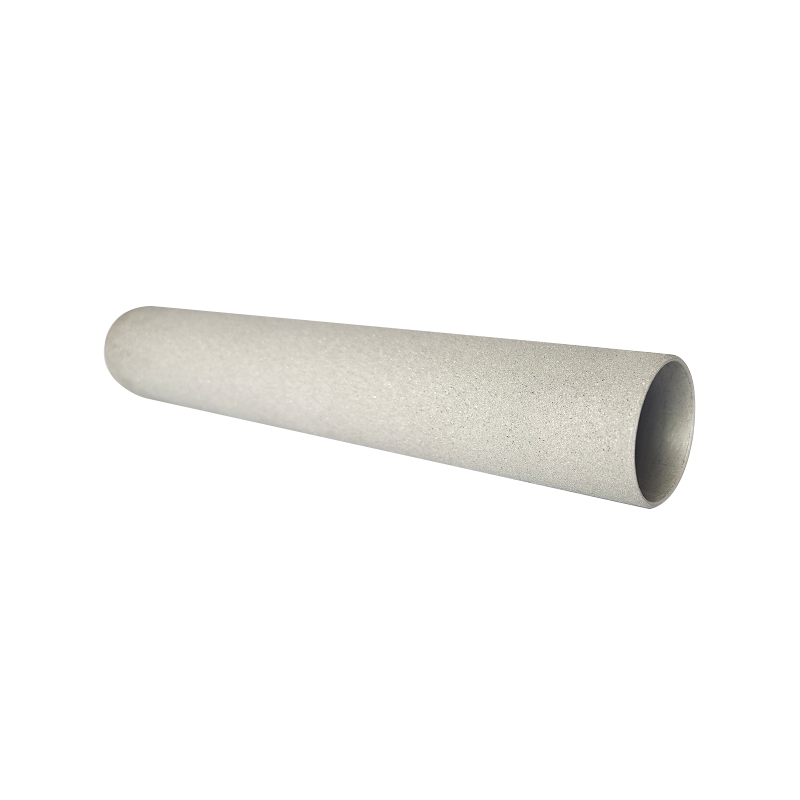
Understanding Load Capacity
- Definition of Load Capacity:
Load capacity refers to the weight or force a guide roller can support without permanent deformation or failure.
- Factors Influencing Load Capacity:
Material Composition: Steel rollers generally offer higher load capacity than aluminum or composite rollers.
Roller Diameter and Wall Thickness: Larger diameters and thicker walls distribute stress more evenly, increasing load-bearing ability.
Bearing Type and Quality: Precision bearings enhance load support and reduce deflection under heavy weights.
- Importance in Operation:
Correctly rated load capacity prevents roller deformation, ensures smooth belt tracking, and reduces maintenance costs.
Evaluating Wear Resistance
1. Definition of Wear Resistance:
Wear resistance is the roller’s ability to withstand surface degradation caused by friction, abrasion, or environmental factors.
2. Material Factors:
Hardened steel and certain aluminum alloys improve durability.
Surface treatments, such as anodizing or coating, can significantly enhance wear resistance.
3. Environmental Factors:
Dust, moisture, and chemical exposure can accelerate wear.
Rollers in high-speed or abrasive environments require specialized materials or protective coatings.
4. Importance in Operation:
High wear resistance ensures consistent performance, reduces downtime, and lowers long-term replacement costs.
Relationship Between Load Capacity and Wear Resistance
- Interconnected Factors:
Rollers with high load capacity but poor wear resistance may deform under heavy loads over time.
Similarly, rollers with good wear resistance but inadequate load support may fail under stress.
- Suitable Balance:
A well-designed roller balances strength, material hardness, and surface finish for both high load and extended lifespan.
Precision manufacturing from a reputable Guide Roller Manufacturer ensures consistent performance.
Material Selection for Enhanced Performance
Steel Rollers:
- Provide a high load-bearing capacity and good wear resistance.
- Suitable for heavy-duty and high-speed applications.
Aluminum Rollers:
- Lightweight and corrosion-resistant, with moderate load capacity.
- Suitable for medium loads and applications where reducing weight is critical.
Composite or Polymer Rollers:
- Reduce noise and vibration and resist certain chemical exposures.
- Typically suitable for lighter loads and specialized applications.
Design Features Impacting Performance
Precision Bearings:
Reduce friction, distribute load evenly, and improve overall wear resistance.
Surface Finish:
Smooth surfaces reduce abrasive wear and reduce damage to belts or sheets.
Structural Reinforcements:
Ribbed or thick-walled rollers enhance load capacity and resist deformation.
Seals and Shields:
Protect bearings from dust, moisture, and debris, extending both load and wear performance.
Maintenance Practices
1. Regular Inspection:
Monitor for surface wear, misalignment, or bearing play.
2. Lubrication:
Ensure bearings are properly lubricated to reduce friction and extend lifespan.
3. Load Monitoring:
Avoid exceeding rated load capacity to prevent deformation and premature wear.
4. Environmental Protection:
Use covers or shields in dusty or corrosive environments to maintain roller integrity.
Operational Benefits
- Improved Efficiency:
Rollers with high load capacity and wear resistance maintain consistent belt tracking, reducing downtime.
- Reduced Maintenance Costs:
Durable rollers require fewer replacements and less frequent repairs.
- Enhanced Product Quality:
Smooth operation prevents scratches or damage to conveyed materials.
- Long-Term Reliability:
Selecting high-quality rollers ensures stable performance under various loads and environmental conditions.
Conclusion
- Guide rollers play a critical role in supporting loads and resisting wear in industrial applications.
- Balancing load capacity and wear resistance ensures suitable operational efficiency, product quality, and long service life.
- A reliable Guide Roller Manufacturer provides precision-engineered rollers with proper materials, bearings, and surface treatments.
- Regular maintenance, lubrication, and monitoring of operating conditions further enhance performance, ensuring consistent, long-term reliability.
By understanding these factors, industrial operators can select and maintain rollers that meet both performance and durability requirements for demanding applications.

We specialize in manufacturing aluminum guide rolls, air shafts, steel rolls, rubber rolls, curved rolls, slip shafts, magnetic powder brakes, and other mechanical supporting products.
©2025 Ruian Baixiao Machinery Co., Ltd.

Aluminum Guide Rollers Manufacturer